


RPGs have taken a lot of unique forms over the years. While I’ve been a longtime obsessive of turn-based JRPGs with pre-rendered backgrounds, the genre has been wise to never limit itself to one style or perspective.
Not one to be left out in the cold, first-person RPGs have had their fair share of time in the sun. The intimate nature of a first-person perspective does just as much for an RPG as it does any other genre, letting you feel a strong, concrete connection to your digital avatar.
First-person RPGs may not be as ravenously popular as their counterparts in the genre, but I’ve enjoyed quite a few of these immersive experiences over the years. And in fact, I’d argue many of them are strong contenders for some of the best RPGs that the genre has ever seen.
7.
Arx Fatalis
A Forgotten Arkane Masterpiece
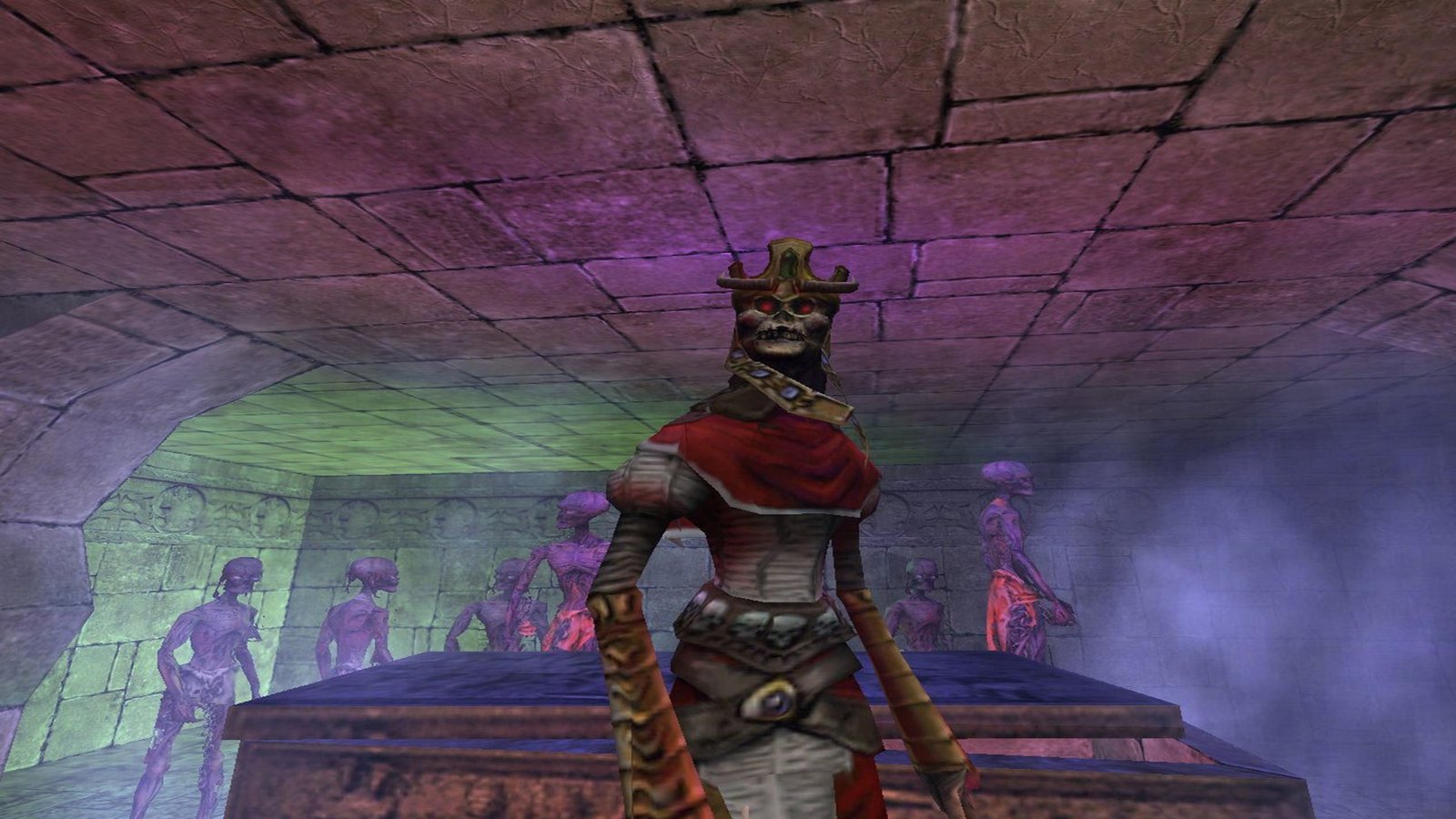
These days, Arkane is having something of a rough time. Blade has gone deathly quiet, and Redfall was something of a disaster. Back in the day, however, Arkane was one of the best studios out there when it came to first-person RPGs.
Thanks to its recent return to the spotlight, Arkane’s Arx Fatalis is finally getting the proper respect that it truly deserves as one of those examples. It would certainly be overshadowed by many of Arkane’s later projects, but Arx Fatalis is such a lovely gem of an RPG that genuinely holds up today.
The dark, brooding atmosphere compliments the surprisingly fun combat for the era quite well. Arx Fatalis is one of those games from a bygone era that is not only better than you might expect, but can stand blow-for-blow with some modern RPGs and hold its own gracefully.
6.
Dark Messiah of Might and Magic
Let’s Get Physical
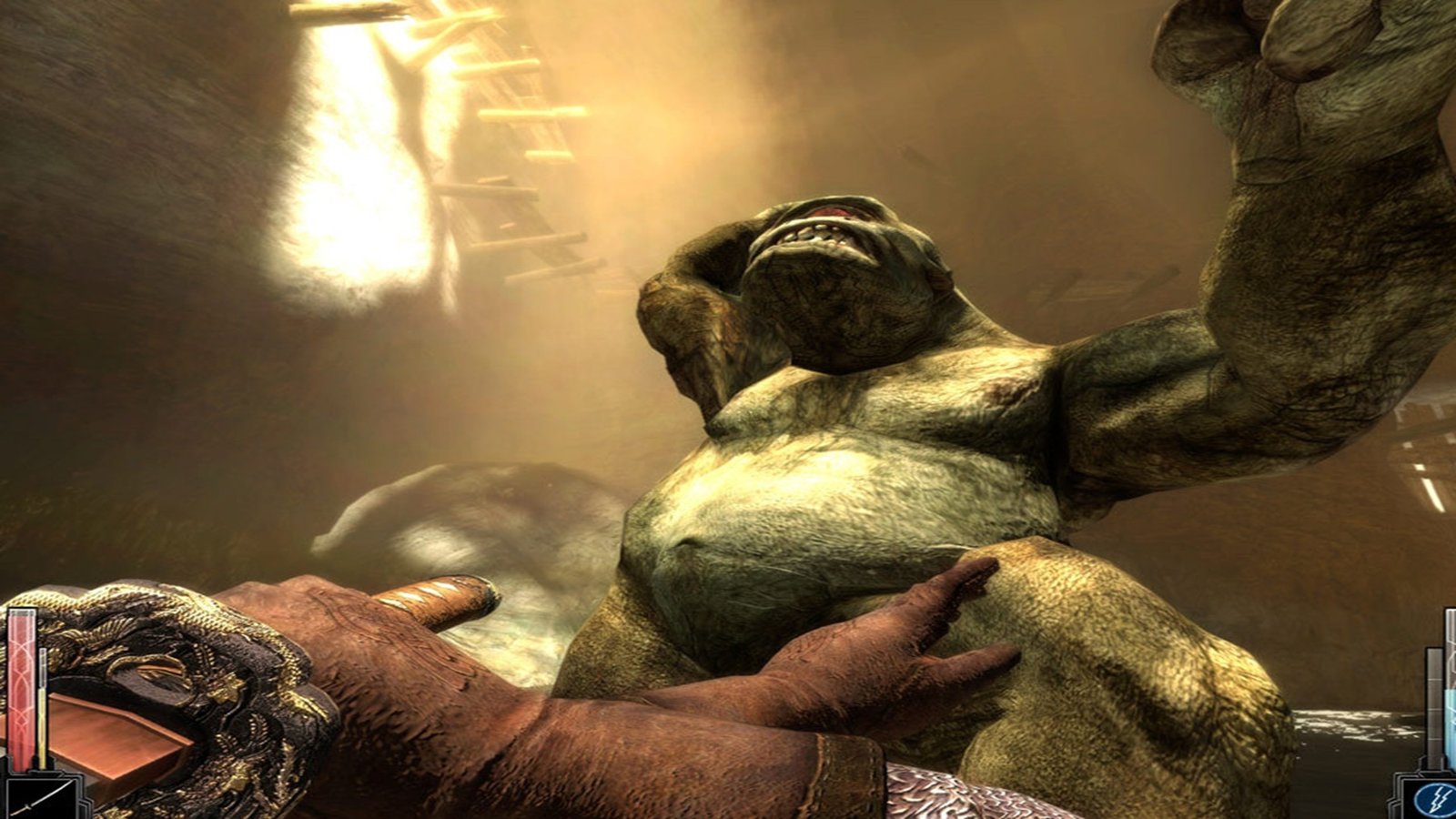
Dark Messiah of Might and Magic started as a sequel to Arx Fatalis, another brilliant first-person RPG released by Arkane in 2002. But when no publisher bit on the sequel, Arkane would move on, crafting what is still one of the most enjoyable dark fantasy first-person RPGs I’ve ever experienced.
What you’ll notice right away with Dark Messiah is how vicious and brutal the combat feels. Swords feel good and bows have a nice bit of resistance to each draw, but the real joy of Dark Messiah comes from its physics-based, highly reactive combat system.
Kicking enemies, in spite of how cartoonish their reactions can sometimes seem, has so much satisfying weight behind it. Those physics extend to nearly everything in the environment as well, as weapons and kicks can create mass havoc during combat encounters. Enemies can be crushed with falling crates, knocked off ledges, and the amount of creativity in the combat is insane.
5.
Vampire The Masquerade: Bloodlines
A Timeless Cult Classic
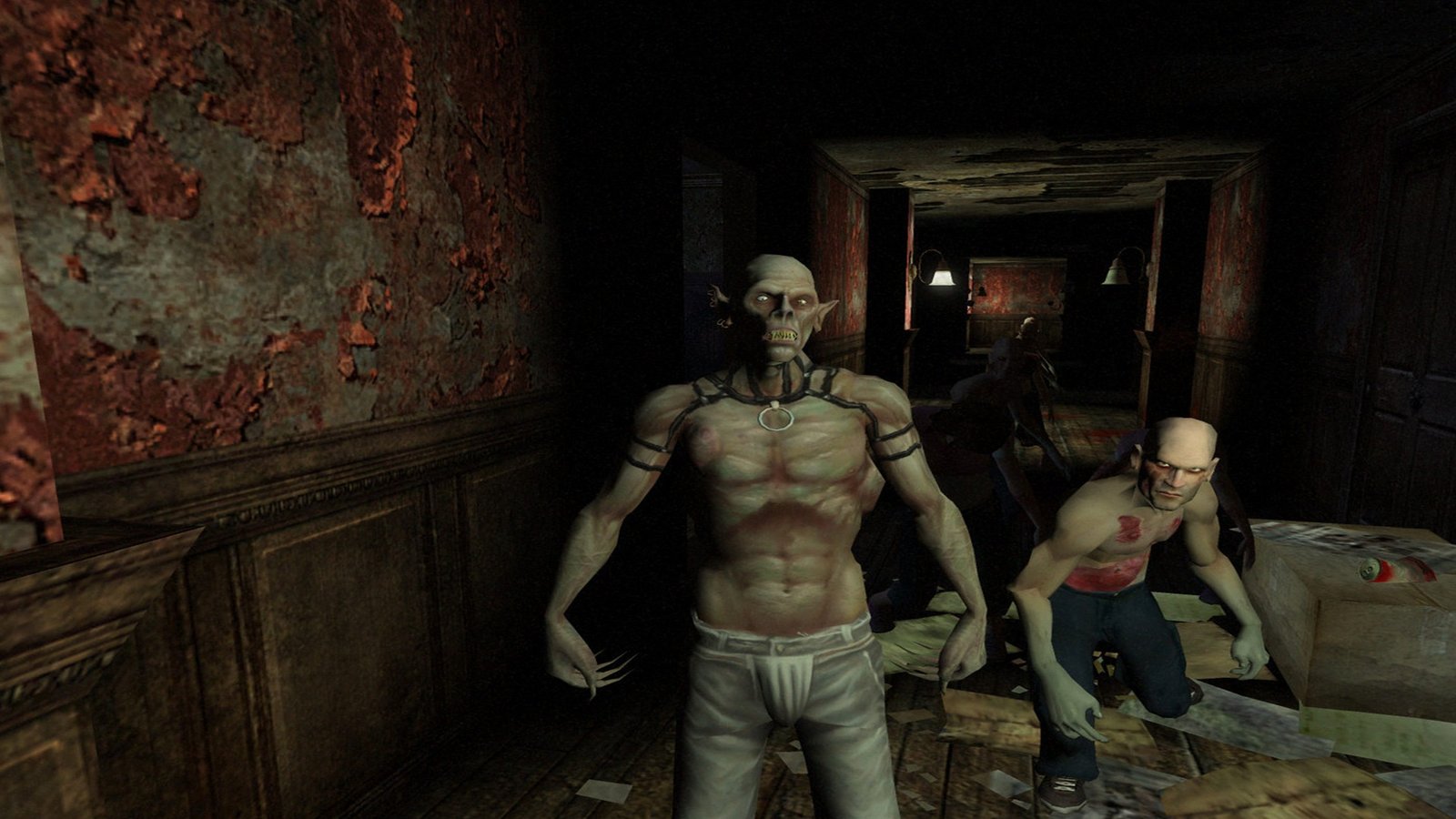
The term ‘cult classic’ seems to often bring a sense of trepidation. There’s usually genuine concern about whether the game is genuinely a hidden gem or just the obsession of a few rabid online fanatics.
Vampire: The Masquerade: Bloodlines isn’t just a cult classic because it has a strong fanbase of devoted followers, each one feeling like a ravenous kindred themselves. Instead, Bloodlines is a dark, sinister exploration of excess and decay on the streets of Los Angeles, California.
The game is oozing with atmosphere, and the small, but highly detailed and intricate world is one of gaming’s most intoxicating environments. It has so much allure to it, and the level of detail in its lore is something that most modern games would dream of having at its disposal.
4.
Cyberpunk 2077
Gaming’s Greatest Comeback Story

It’s fair to say that Cyberpunk 2077’s launch was a bit problematic. Performance problems and numerous glaring technical issues became impossible to ignore, and CD Projekt Red set out to right the ship. Not only did they right the ship, but they also turned it around into one of the most incredible comeback stories in gaming.
These days, Cyberpunk 2077 is one of the most enjoyable, endlessly entertaining first-person RPGs you can find today. The release of Phantom Liberty, a masterful expansion that saw Idris Elba join the cast, elevated the game into something even more special.
Thanks to its recent release on Nintendo Switch 2, Cyberpunk 2077 can be played almost anywhere, with each one offering a fabulous experience. The combat feels outstanding and the huge world is so much fun to explore, with tons of little hidden things to find and discover.
3.
The Elder Scrolls V: Skyrim
Stolen Sweet Rolls and Arrows to the Knee
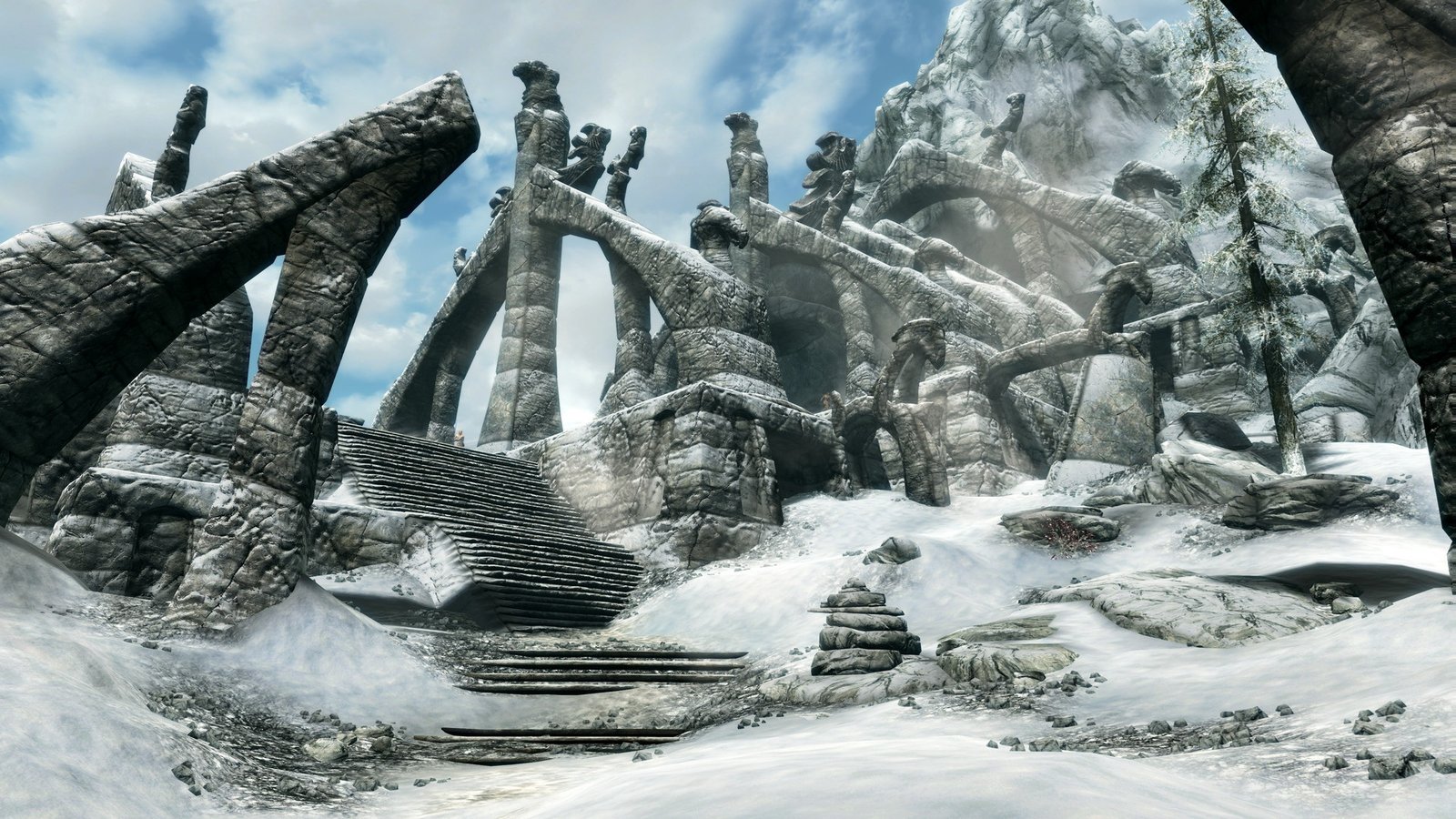
We’ve all laughed at the memes and jokes, but at the end of the day, The Elder Scrolls V: Skyrim is more than that. Skyrim has had a chokehold on the industry for over a decade now, and despite its age, it is still a game that so many people, myself included, find themselves going back to in order to relive that old familiar feeling.
Escaping into this fantasy world is always a treat. There’s a sense of wonder and joy to its world that few games can ever hope to find, and is among one of the best worlds in the entire Elder Scrolls franchise.
Bethesda has also shown unwavering support for the game ever since. No matter how many years pass, they have never shown any sign of abandoning it, and still add occasional updates to the game.
If you’re playing on PC, Skyrim has even more possibilities thanks to its extremely healthy mod community. Recent fan efforts like Enderal and the upcoming Skyblivion are proof that this legendary game has more than earned its status as one of the genre’s most iconic releases.
2.
Lunacid
The First Genuinely Good King’s Field-Like
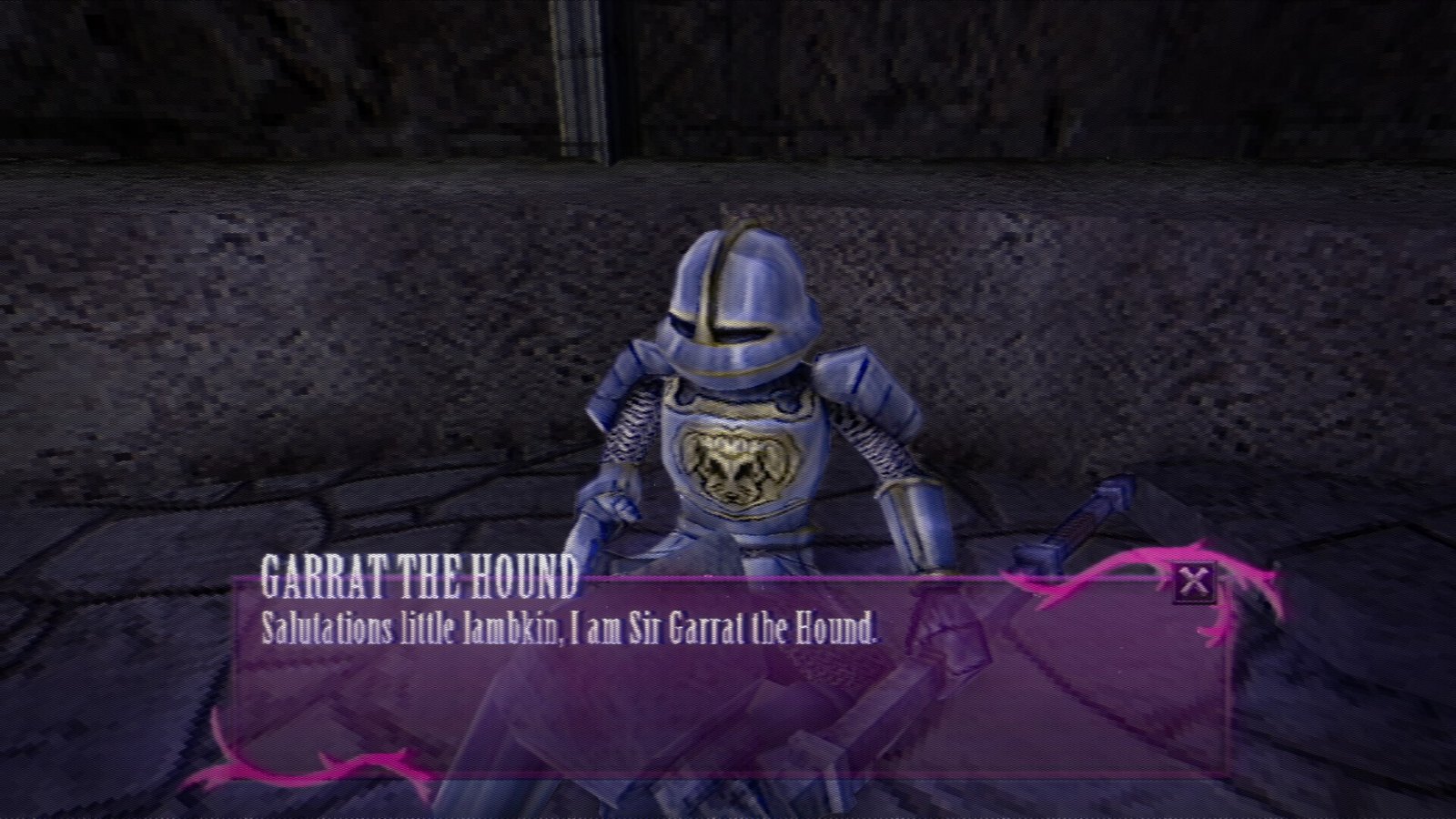
The Soulslike genre is often regarded as starting with 2009’s Demon’s Souls, but its roots go back a bit deeper. The fabled and cherished halls of the 1990s gave birth to King’s Field, a first-person dark fantasy series by FromSoftware that paved the way for the entire genre.
While most Soulslike games draw their influences from the more recent entries in FromSoftware’s catalog, a few games have seen the light by looking at King’s Field for inspiration. Enter Lunacid, one of the first genuinely great King’s Field-likes, and one of my absolute favorite games of all time.
There’s a few games out there that call out King’s Field for inspiring them, but so many of them rely on procedural generation as opposed to hand crafted wonder. That’s fine for what it is, but it’s that sense of detailed, meticulous design philosophy that makes Lunacid such a worthy successor.
The lo-fi look is deviously charming, and the writing has that same quirky sort of edge that defined the old King’s Field games. Lunacid is also mainly the work of a solo developer, which makes it even more impressive.
1.
The Elder Scrolls IV: Oblivion
For The Empire!
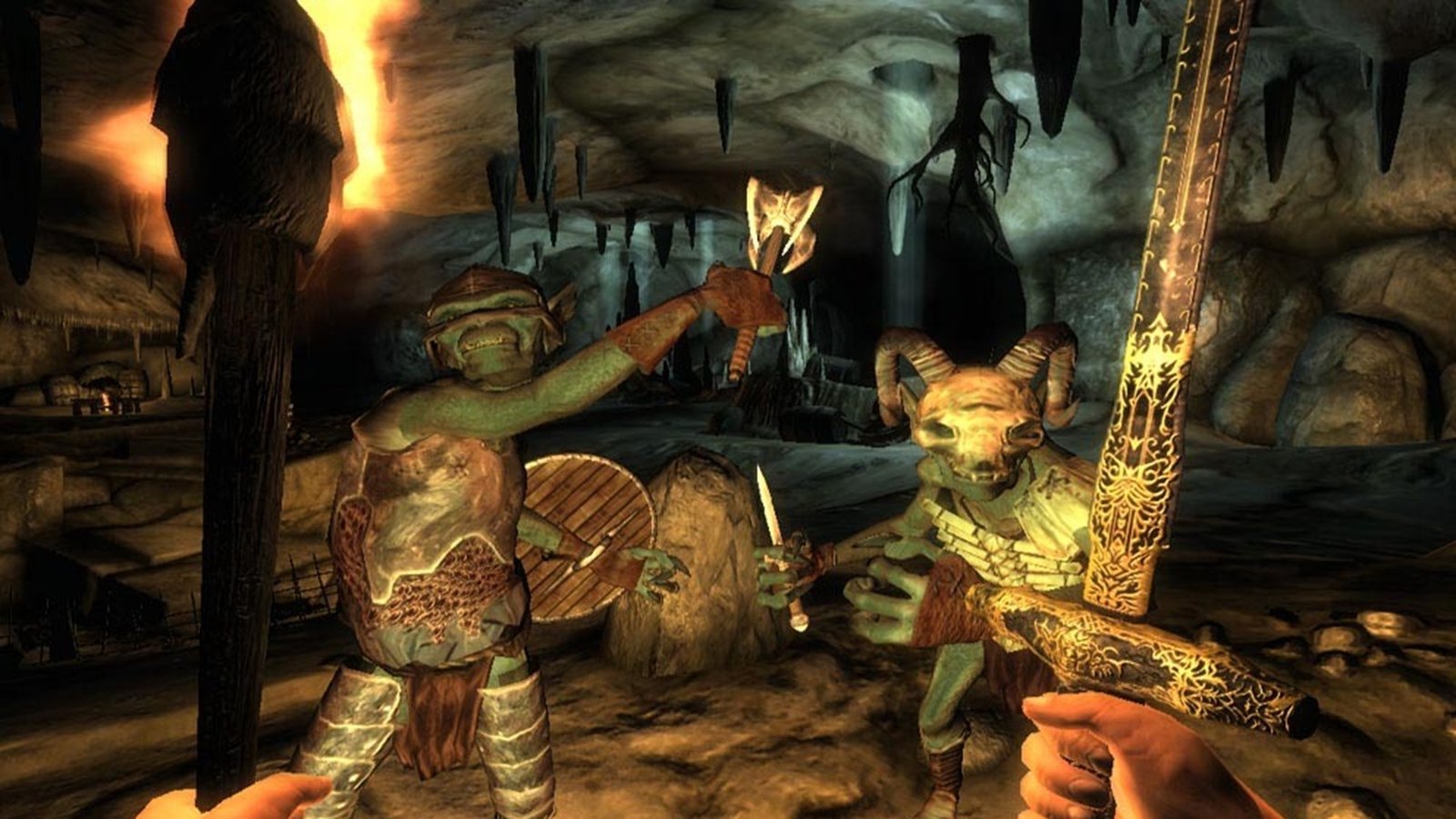
No matter how many years go by, I always find myself eventually going back to The Elder Scrolls IV: Oblivion. It’s one of those games I can play anytime, anywhere, and have a great time with. It was the first game I played on my PS3 back in the day, and since then, I’ve poured an alarming amount of hours into it across multiple platforms.
Oblivion has so much corny, gentle earnestness to it. From the voice acting to the simple, but endearing writing, Oblivion has consistently remained the genre’s most entertaining and enjoyable experiences. It also has the best version of the Dark Brotherhood questline, and all of Oblivion’s quests have remarkably similar levels of quality.
The world is rich with lore, and each area you visit feels unique. Each town and area has a fully functional identity, and you’ll likely find yourself with a favorite before the credits roll. The Elder Scrolls IV: Oblivion is easily one of the greatest games ever made, and as far as first-person RPGs go, you can’t really go wrong with this beloved classic.
