


Producing a game that is a breakout success is the dream of just about any developer out there. To create something that immediately resonates with the masses is a phenomenal achievement. But, it comes parceled with another tricky thing to navigate. Sequel expectations.
These expectations can weigh heavily, and before they know it, these developers with a hot property find themselves chasing their tail to capture that lightning in a bottle again.
Thus creates a chain of series that have gotten worse with each new entry. So, to same you some time before you sink hundreds of hours into a lukewarm series, here are some games that started great, but have gotten worse with each new game.
6.
Bioshock
It Was Better Down Where It’s Wetter
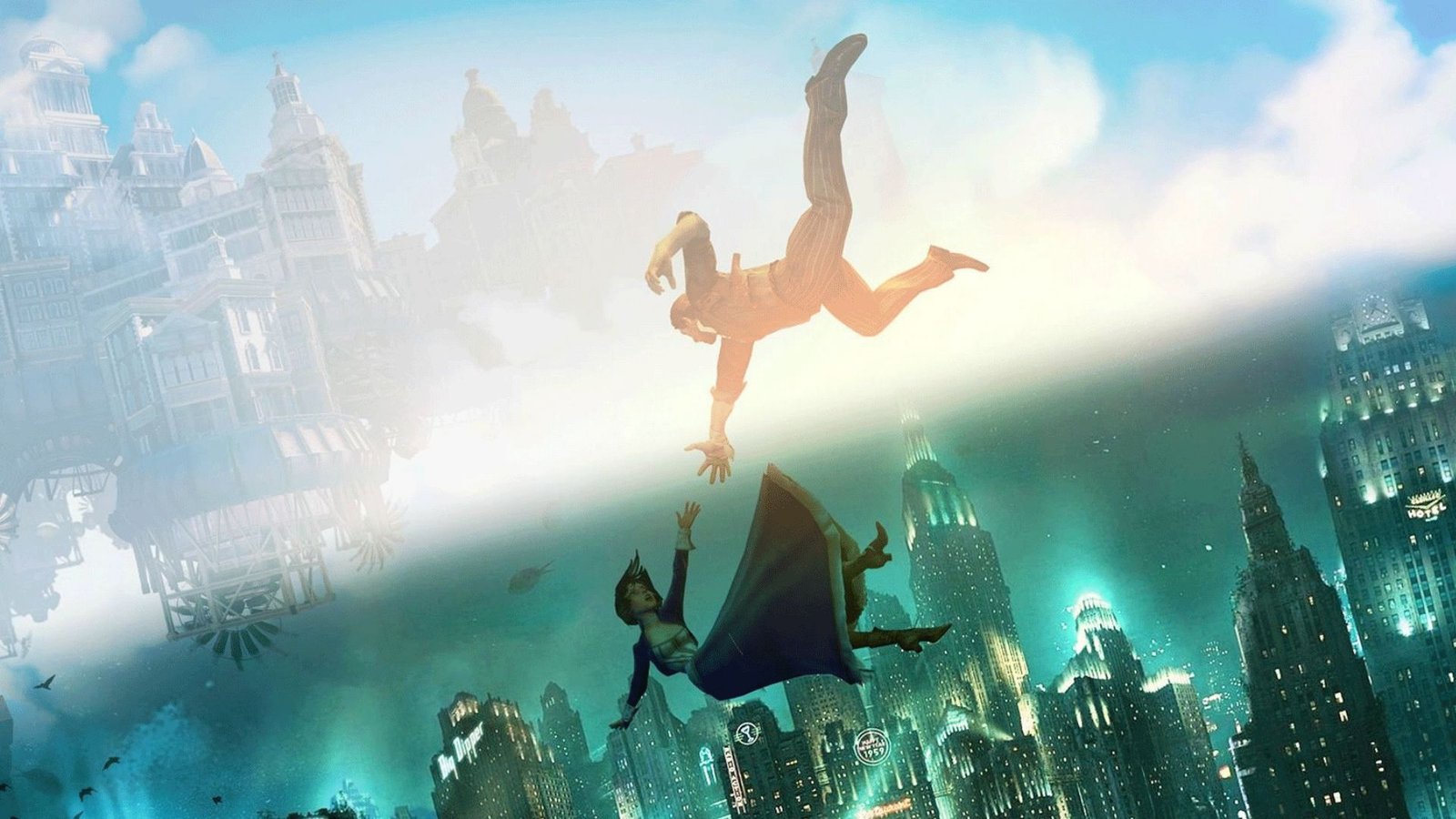
I’ll start off with a rather controversial view, as many harbor negative views for Bioshock 2, the gaming embodiment of middle child syndrome. But, I am very much of the opinion that the series maintained a high standard, but with a descending curve.
BioShock was the high-water mark, offering narrative excellence and one of the most incredible settings in gaming history. But the second is an underrated gem, offering more depth to the already enthralling city of Rapture.
Don’t get me wrong, Bioshock Infinite was still an incredible experience. But even if you ask Ken Levine himself, he’ll tell you that it was nowhere near the vision he had for the game when it hit the shelves. So, all in all, a fantastic series worth playing in full, but a series that does depreciate as it goes on.
5.
Dragon Age
Needs A Proper Origins Story
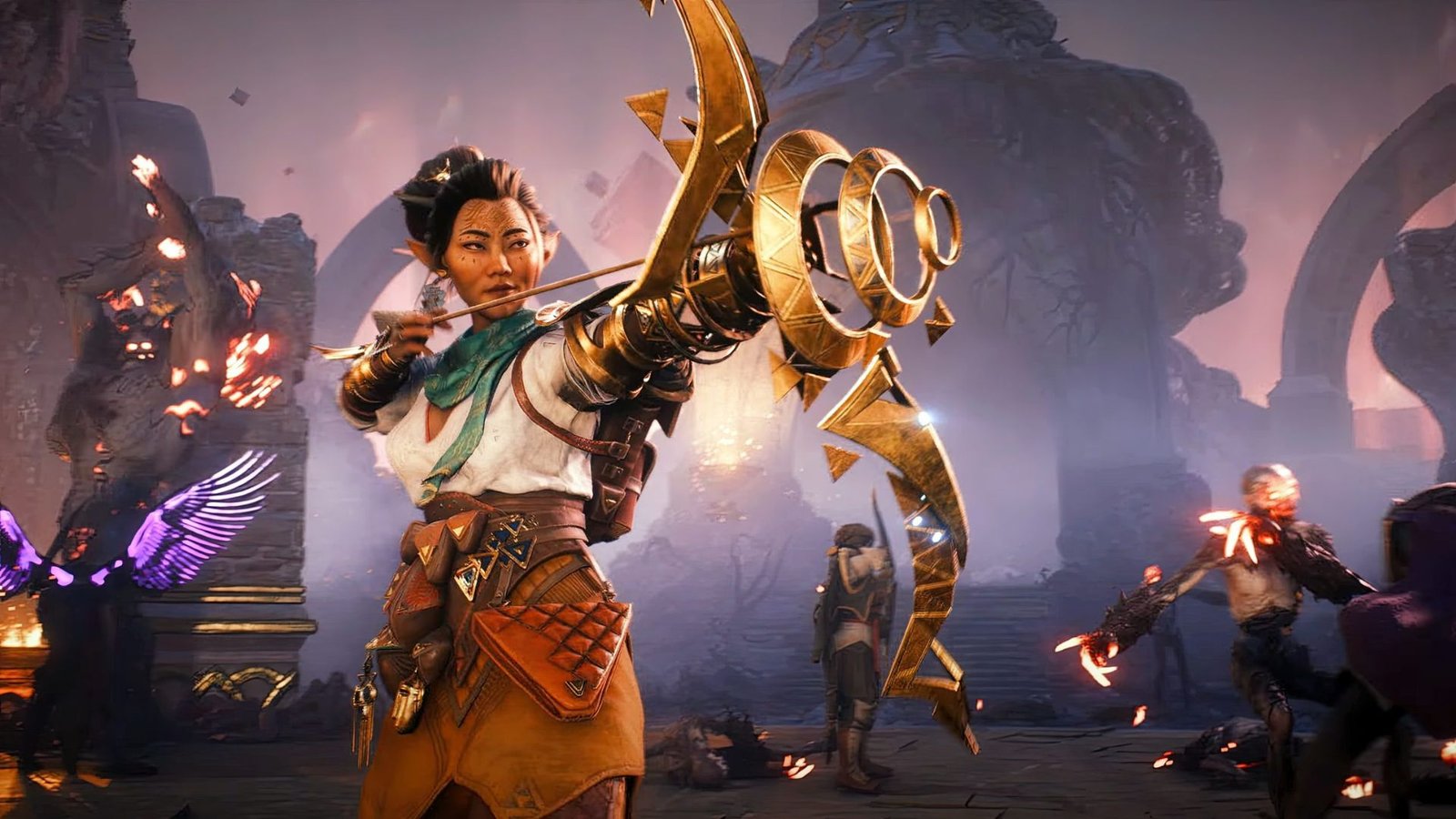
We move onto another game series that started out like a house on fire, but could only manage faint embers ever since. Origins was truly one of the finest CRPGs ever made, showcasing the best of Bioware at the height of their powers.
However, the problem with Dragon Age as a series is that it’s never been that RPG juggernaut with a world, characters, and systems that keep players coming back time and time again.
It’s a series that has always changed to appeal to the masses rather than carving out its own consistent identity, meaning that every game feels like starting from scratch in the worst way possible.
Which has eventually led us to the series most recent title, Veilguard, which feels like a far cry from the brilliance of Origins, and a symbol of how far Bioware has fallen in recent years.
It’s a series that I would love to see go back to it’s roots. But because of a need to pander to casual players and not appeal to the hardcore RPG fanbase that made this series what it is, I doubt that will ever happen.
4.
Dead Space
I Miss You, Ishimura
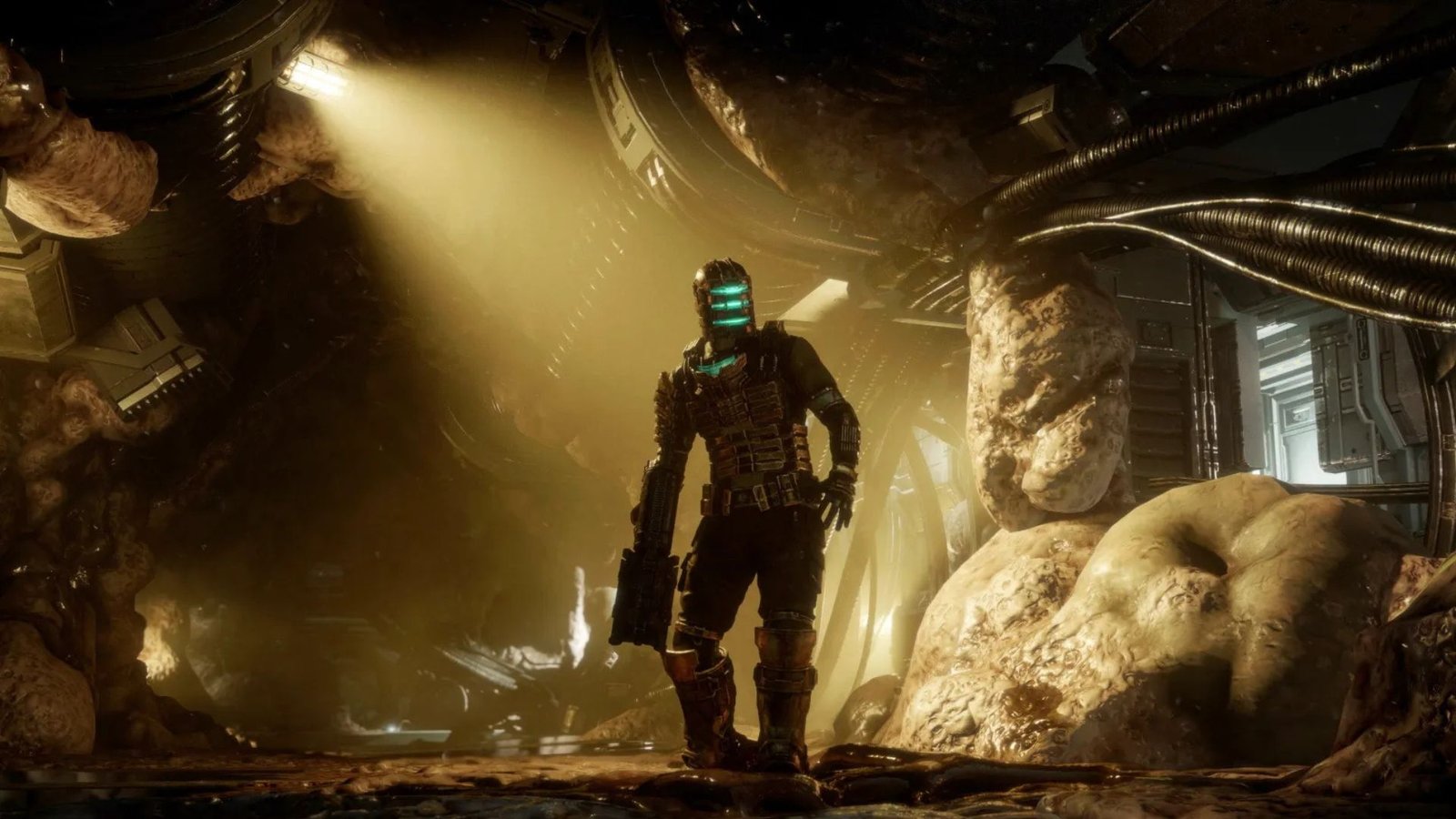
It’s a harsh reality to accept for me to add this series to this list, as Dead Space is my favorite horror game, hands down. However, be that as it may, Dead Space was on a road to death by the time the trilogy was complete.
In fairness, the second game is only slightly worse than the original, in my opinion, and it is a matter of preference. It does a lot of cool new things. But ultimately, my biggest gripe is that it leans too far into action and set pieces, when straight-up horror is where the original shone brightest.
That said, it’s the third that was the game that killed the entire series stone dead. With too much meddling from the publisher and an unneeded focus on co-op gameplay, the trilogy ended with a whimper.
Thankfully the recent remake helped to restore the reputation of the series and remind everyone why it was so captivating in the first place. But, you can’t deny that Dead Space could never quite top the first attempt at interstellar horror.
3.
Vampire: The Masquerade
All The Jank, None of the Charm
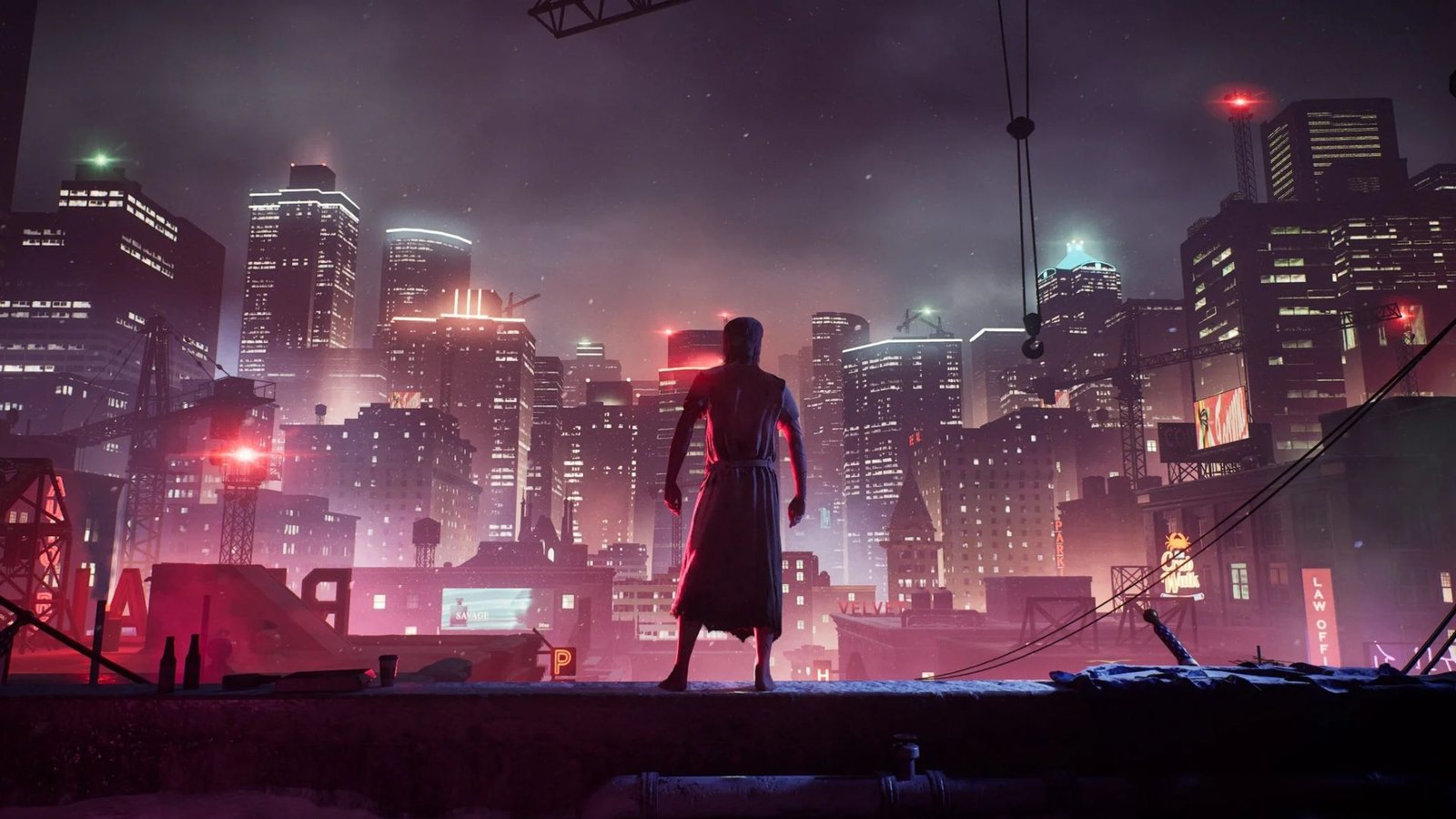
I’m breaking the rules ever slightly here, as Vampire: The Masquerade has only produced two mainline games. But, there have been a wealth of spin-offs and sideshows under the moniker that help justify its inclusion.
I think we can all agree that the original title in the series was far from perfect. It was wonky beyond belief, but thanks to superb writing and incredible depth of design, it felt like a truly enthralling vampiric RPG. Flawed, but a flawed gem.
The same cannot be said of literally anything else ever produced under the VTM banner. Most notably the much anticipated sequel that released to near unanimous disapproval. It was an affront to the deep RPG that came before, and perhaps thanks to this sequel, we may never see another VTM game again.
2.
Fable
Broken Promises Galore
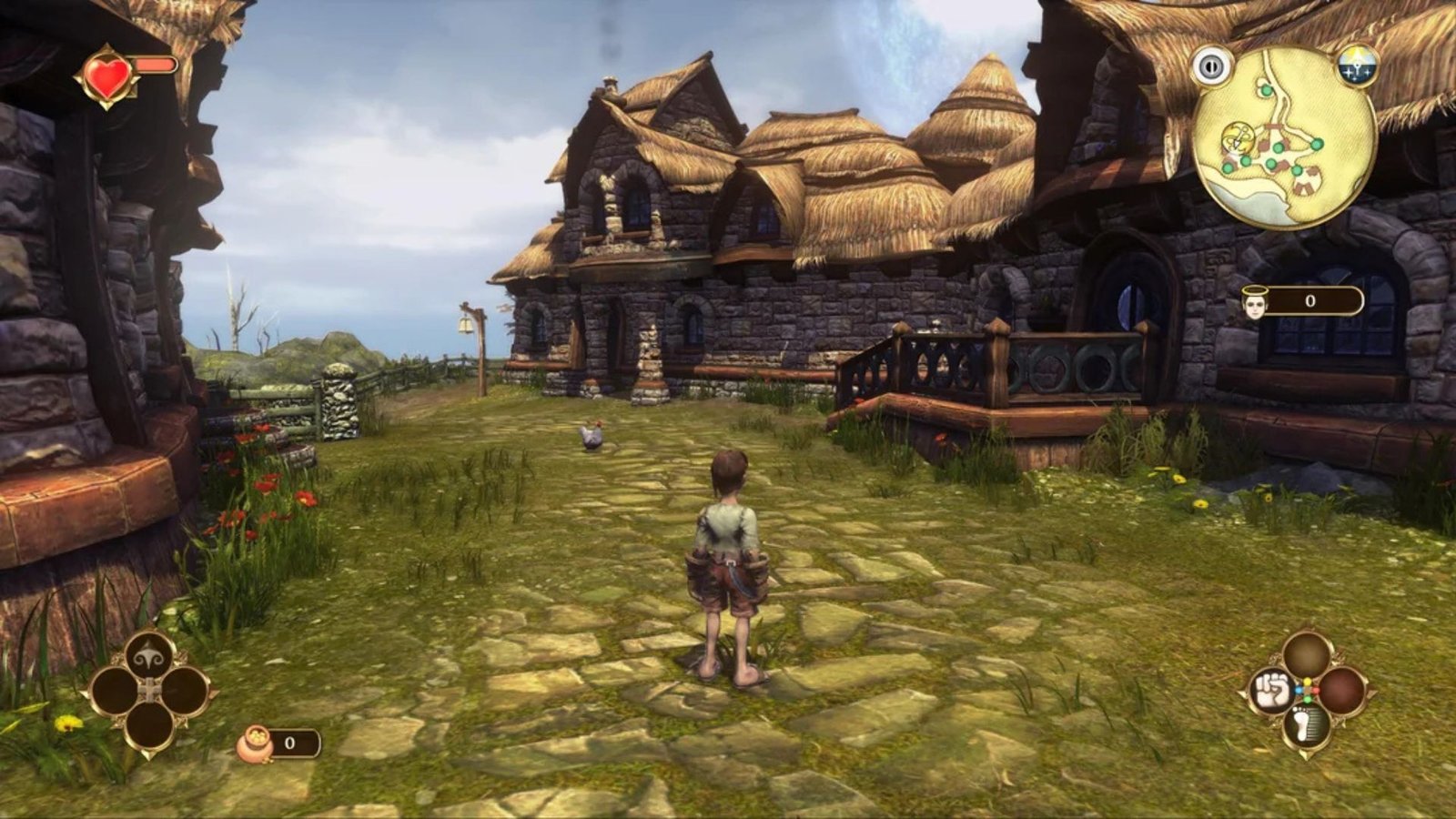
Seeing as there is a much-anticipated remake of the original on the way, it’s as good a time as any to revisit the Fable series as a whole. Which will help you realize that ol’ Peter Molyneux could never quite top his original efforts.
See, the original, while never quite the finished article was undoubtedly an audacious and commendable attempt at a truly open and player-led RPG.
Then everything there after within the series felt like a backwards step, a compromise, and a series of systems that flattered to deceive. Peter Molyneux has always been a man who promised the world and delivered a fraction of what was promised. Fable’s run of games is a perfect example of that.
1.
Deus Ex
The Result Of Our Modern FPS Obsession
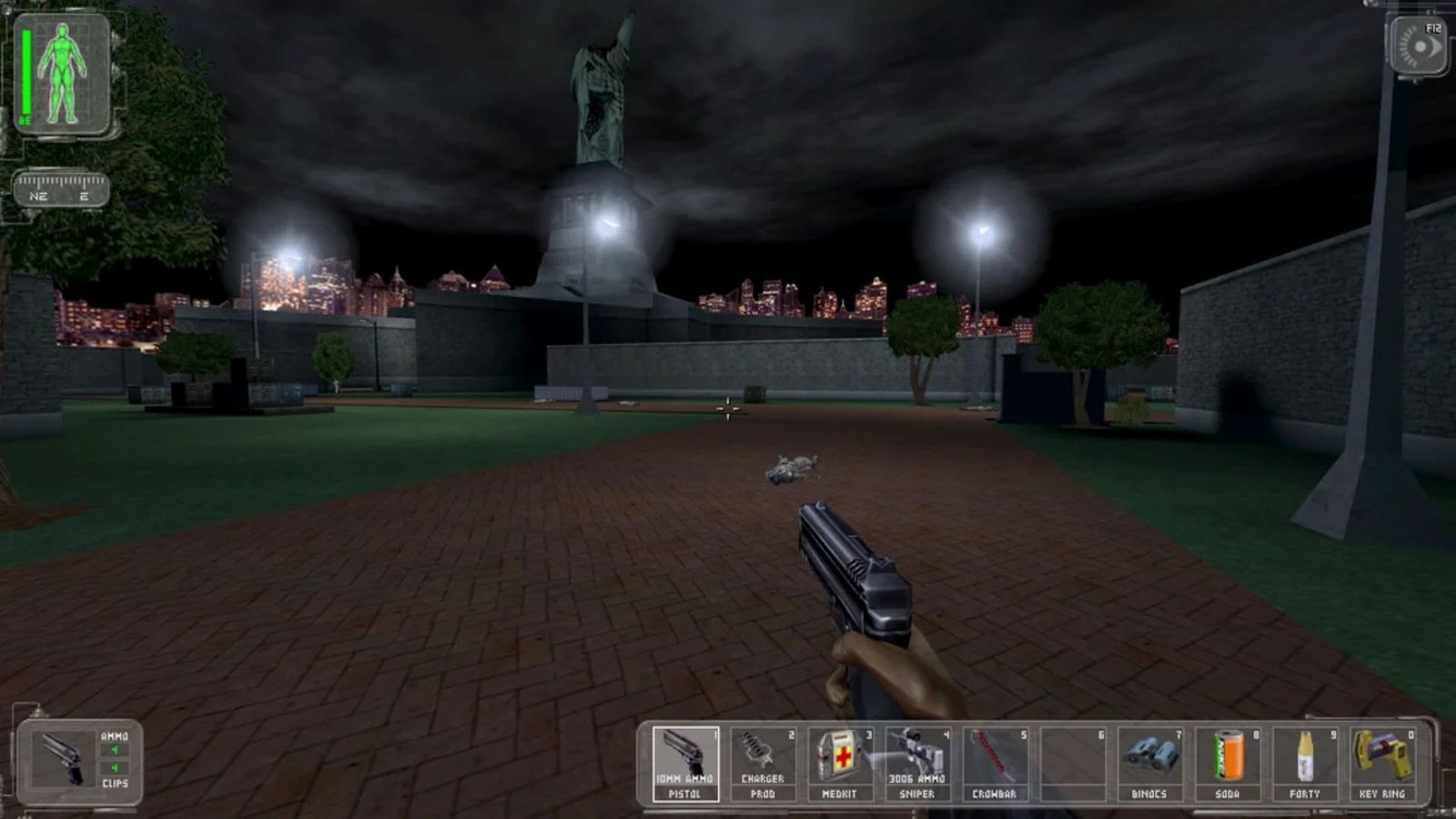
If you’re a modern gamer, you likely think of Deus Ex and immediately picture Adam Jensen busting heads. However, long before he was telling people that he ‘Didn’t ask for this’, there was a man called JC Denton, and he was the player character in the far superior original.
Deus Ex, perhaps alongside Thief, was the standout immersive sim of the era, practically tag-teaming to create the genre. Which is why everything that has come after has felt so lackluster by comparison.
Human Revolution was an admittedly interesting and serviceable cyberpunk shooter. But definitely failed to offer the immersive freedom of the original. Then the less said about Mankind Divided, the better.
Basically, Deus Ex today has evolved into something different entirely. But, evolution doesn’t mean revolution, and the change hasn’t exactly been the best thing for the series.
