


The horror genre is one of the best in any type of medium, but it especially thrives in video games. It’s more personal as the horror feels as if it’s happening to you, because rather than just consuming it, you are in full control of the character on screen. Horror done right in video games makes for some incredible experiences, but disturbing done right makes for experiences that you won’t ever forget.
Tarsier Studios, formed by the creators of the first two Little Nightmares, know exactly what it takes to curate a disturbing and horrific world. Little Nightmares proved that to be true, but Reanimal takes it to a whole other level and pushes the boundaries of what these developers are capable of. If Little Nightmares was the equivalent of a M. Night Shyamalan movie, Reanimal is the equivalent of a Christopher Nolan film in terms of production value.
Reanimal is bigger, darker, deeper, and overall, a cinematic marvel that should be experienced by any horror fan. However, I do believe that players will be disappointed in some regards when it comes to the gameplay itself as it’s not as in-depth as Little Nightmares. This review will go into details of what is so incredible about Reanimal, and how it falls short in some cases.
Dark Environmental Storytelling
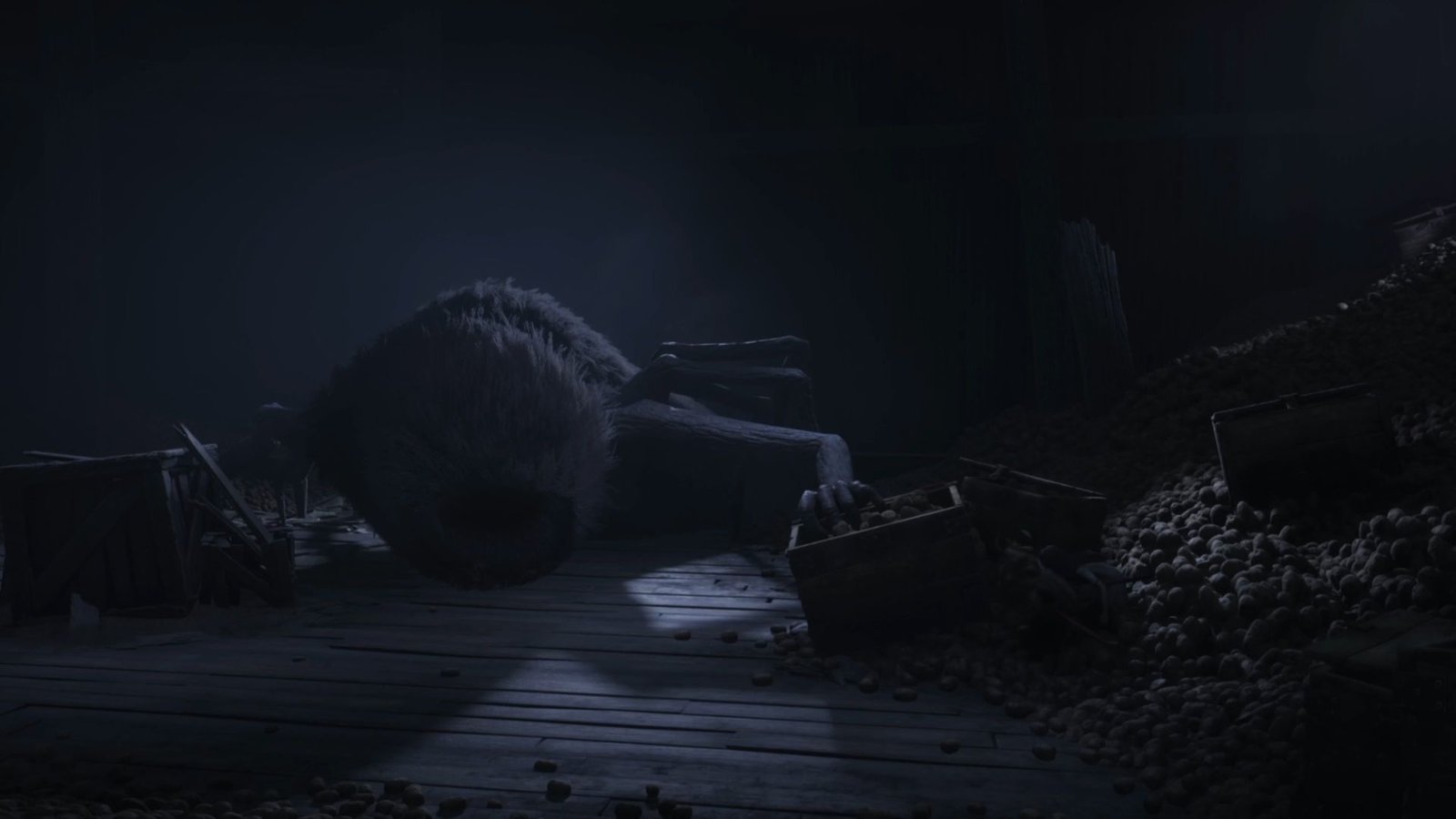
The greatest thing about the creators at Tarsier Studios is that they know how to tell a story without saying anything at all. Little Nightmares barely had any dialogue, and while there are more words spoken in Reanimal, the story isn’t told to the player that way. It’s all about environmental storytelling and having a narrative through atmosphere alone.
There is something genuinely disturbing about Reanimal, in both its atmosphere and story. By the time the credits rolled after its brief 5-hour story, I was in awe by what I had witnessed. There was a lot of thoughts going through my mind, but the one that kept on coming back to me is the comparison of Reanimal with the movie 1917. For those not familiar with the Sam Mendes film, it follows two friends through a war-torn country on a quest to save a brother, all directed in one shot.
That’s essentially what Reanimal is, following a pair through a war-torn country to save their friends. To drive the comparison home, most of Reanimal is also done in one shot, with only having breaks when entering a new chapter. This style makes the entire game feel like a movie, having cinematic moment after cinematic moment, keeping the player hooked and not wanting to put down the controller.
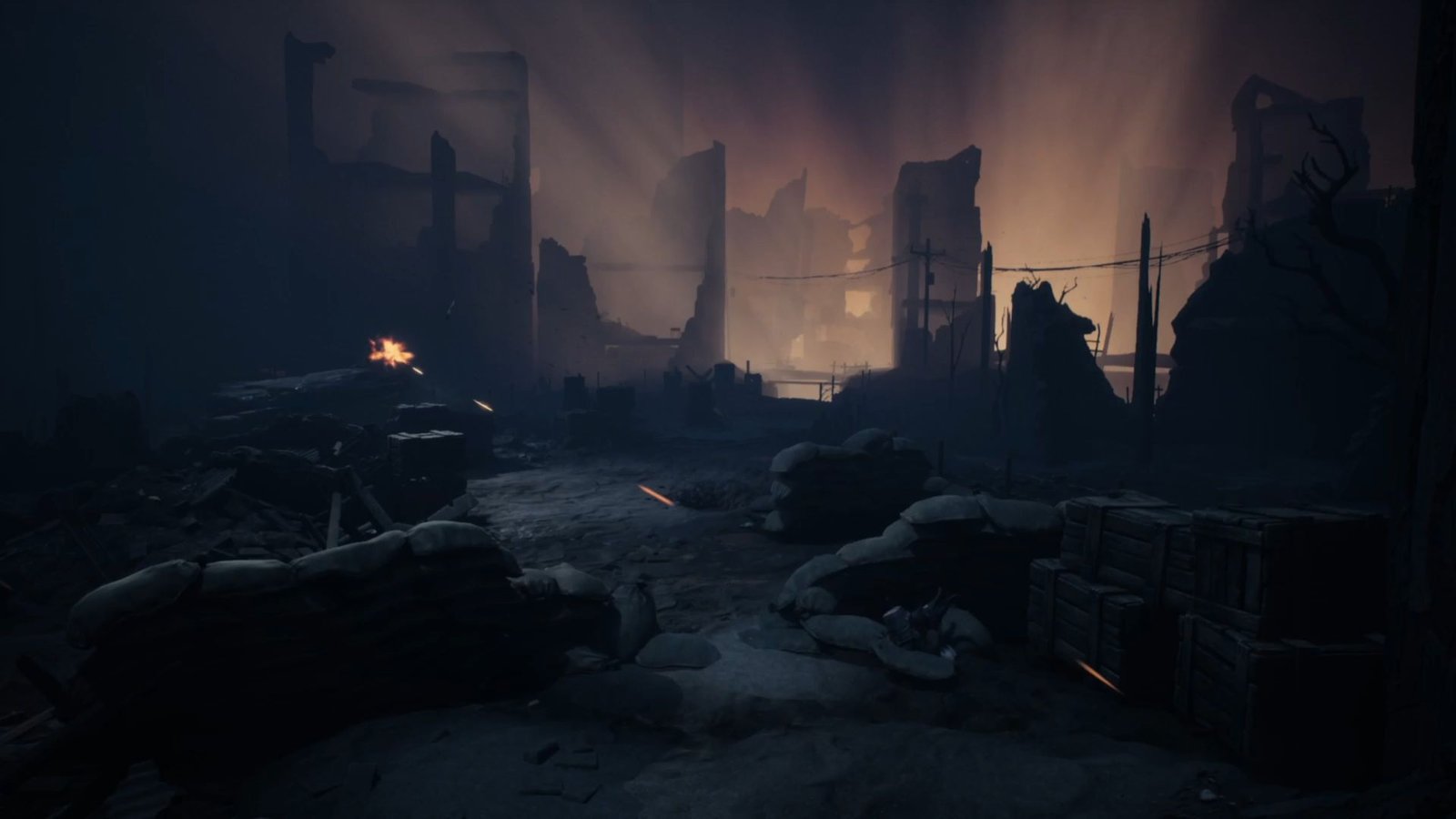
The cinematic design mixed with its disturbing undertones is what makes this game so horrifying. While Reanimal isn’t scary in the general sense, having minimal jump scares, it does a great job at creating a feeling of uneasiness. Traversing a deep sea filled with Naval Mines, encountering a Slender Man-like creature using people’s skin as disguise, witnessing a baby sheep being grown inside the body of a little girl – the list goes on.
The game plays with sensitive topics such as the concept of cults, human sacrifice, rebirth, and the consequences of one’s actions. However, it never tells you this up front. Reanimal asks the player to look beyond the surface, and to delve deeper into its secrets by examining the environment. The answer and story of Reanimal is there, you just have to work to find it and use critical thinking skills.
I could go on for hours giving you examples of the disturbing nature of Reanimal, but that would be doing you a disservice. This is a game that you have to experience yourself, and while you’re doing that, make sure to take in the atmosphere and keep on the lookout for hidden meanings. Not everything is at it seems, and by the time the ending comes, you will want to replay the game after some answers come to light in its final moments.
Trapped in a Dream
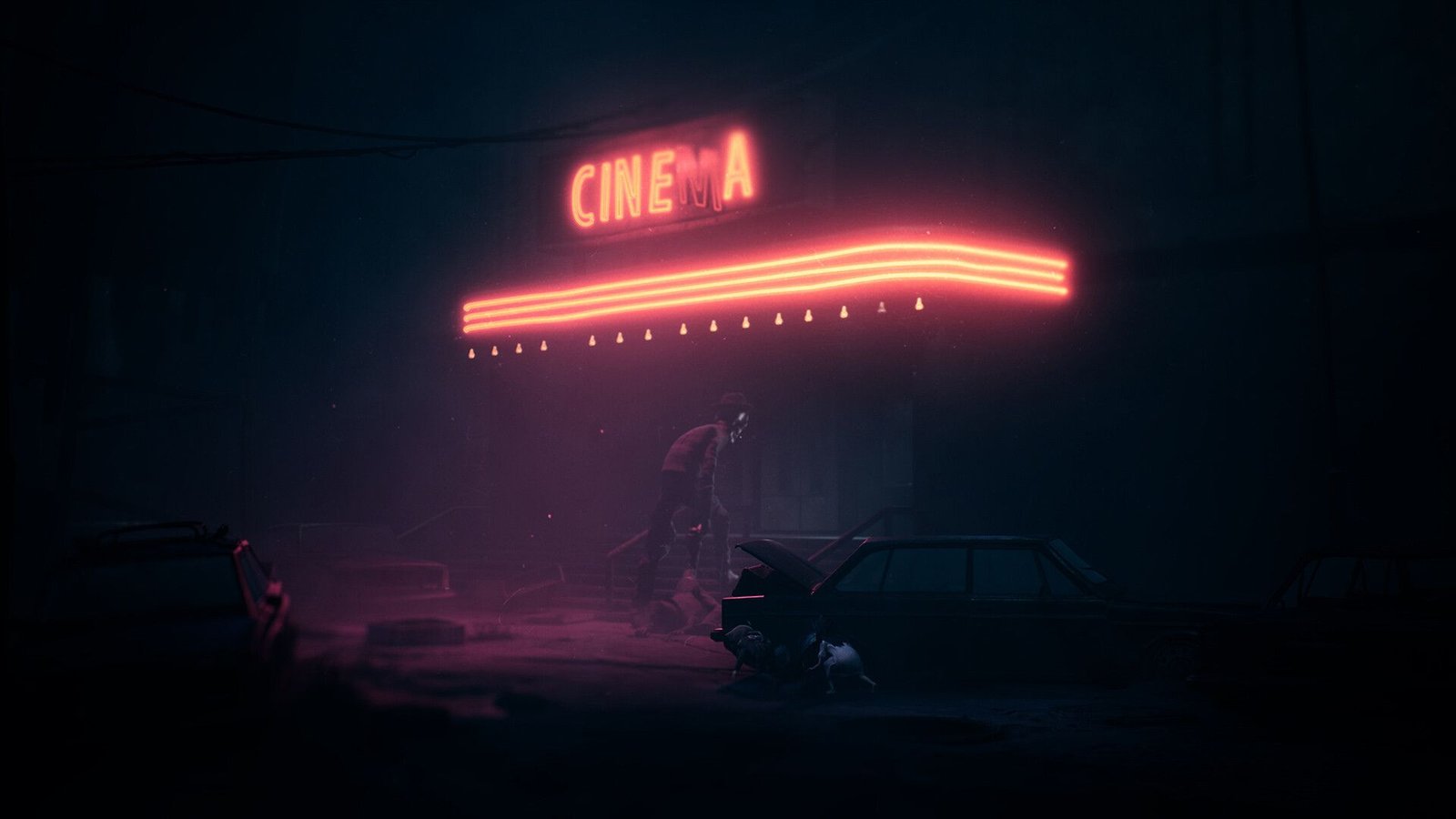
Similar to Little Nightmares, Reanimal has players explore various locations with different identities and horror tropes. From a wet and dark sewer system to a warzone in the midst of battle, each chapter brings its own unique experience. Some are better than others, of course, but each is carefully crafted and deserves to be in the game.
Each location tells its own story that works into piecing the overall narrative and world of Reanimal together. Simply put, something terrible has happened to the world and the game is constantly reminding you of this through its dark and grotesque atmosphere. I was repeatedly overwhelmed by a sense of dread with each new chapter as they led to me further understanding the underlying reasons of why Reanimal’s world is filled with decay and sadness.
It’s a strange feeling and can be hard to explain, but everything doesn’t seem real in Reanimal and it almost feels like you’re dreaming. For example, one moment I was traversing the deep sea, making my way into the fog, just to reemerge into an open area with a large vessel towering over me. Next thing I know, I’m deep underwater within the vessel, face-to-face with a giant squid whose eyeball is the size of me. It’s fascinating, terrifying, and mixed with the ambient audio, it feels like a dream.

There are many moments like this throughout Reanimal that will stay with me due to it citing an emotional response. The game makes you genuinely feel like you’re not supposed to be there, or at least, not wanted there. It feels as if you’re making your way through a version of hell, lost and completely stranded.
Don’t Come for the Combat or Puzzles
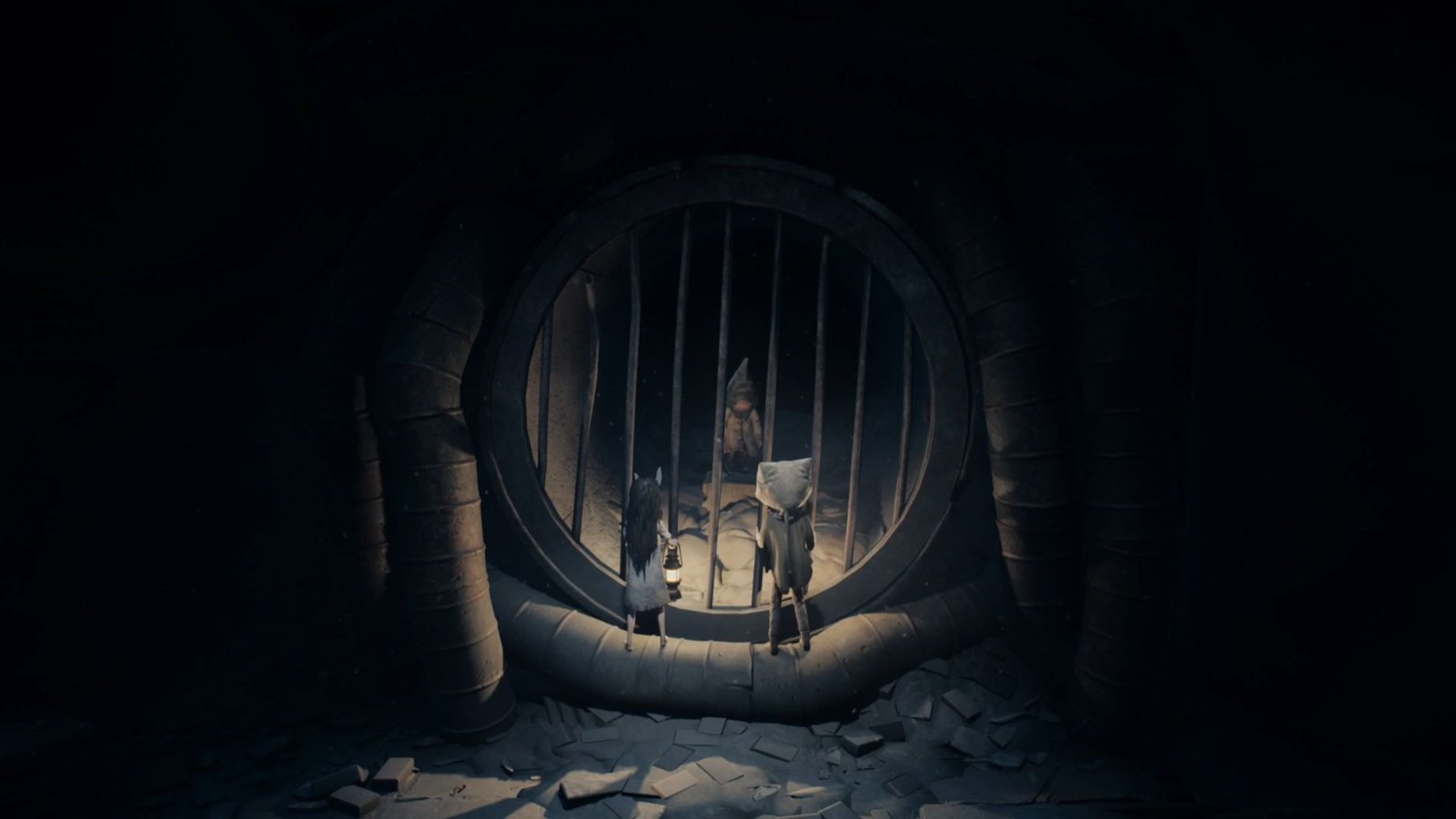
The only real issue of Reanimal is the gameplay itself as there really isn’t much. While there are puzzles to be solved, they are bare bones, very quick, and limited. In fact, I would say that all the Little Nightmares games have more puzzles than Reanimal, which is a shame. Of course, there are collectibles and secrets to find throughout a playthrough, but other than that, there’s not really any situations that require you to think.
However, there are quite a bit of chase sequences that get the heart racing and mini combat encounters that changes the pace of things. The former is a standout for the game, as these chase sequences are leagues above those from Little Nightmares, but the combat encounters are mindless and pretty pointless.
These combat moments involve swinging a weapon and pressing one button repeatedly against birds and other enemies, or simply throwing a javelin by pressing one button as the game automatically locks on for you. It’s not very fun, but it does help make certain moments more tense. Overall, the game would have been fine by opting to not include combat at all.
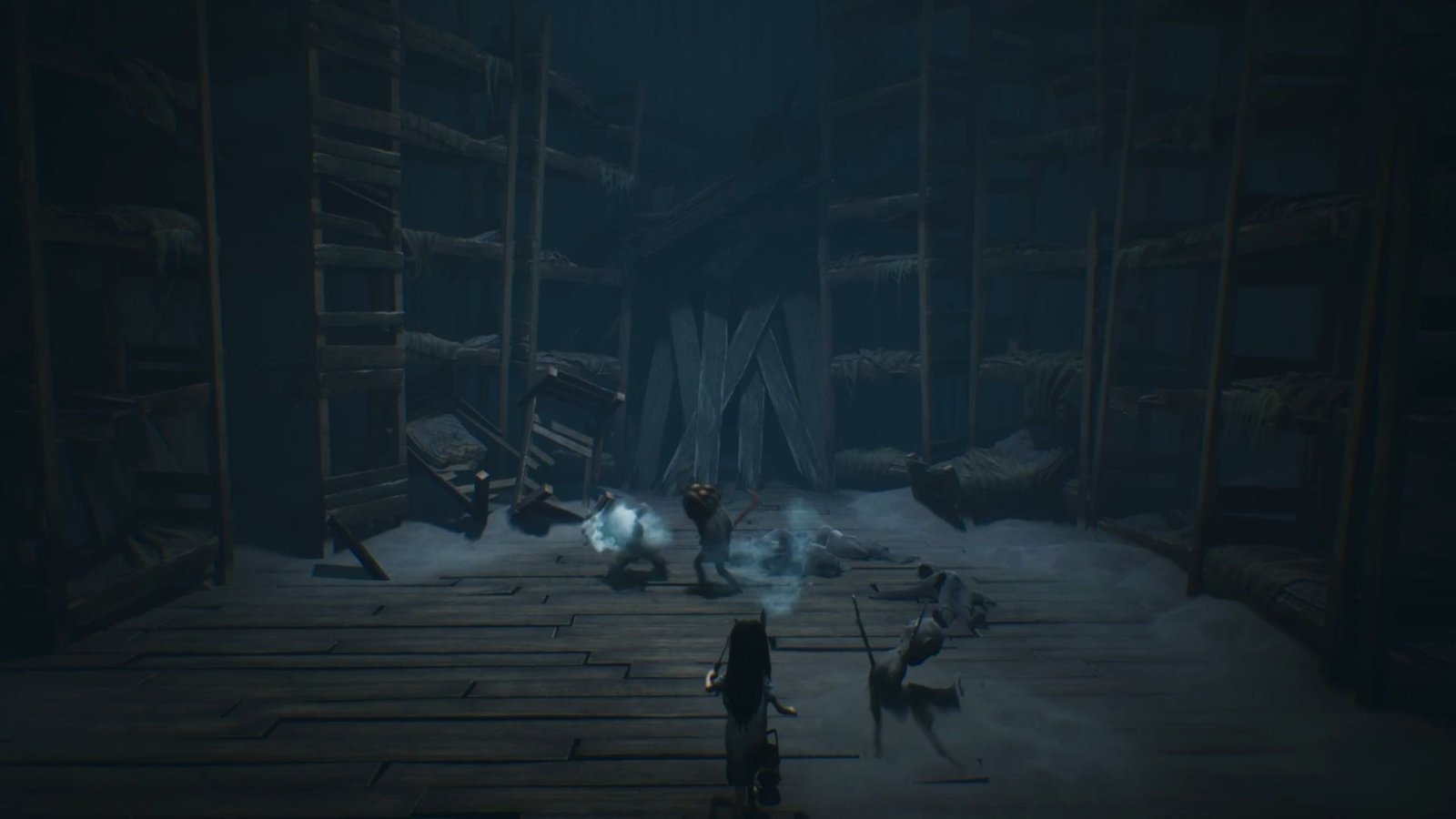
The lack of engaging gameplay wasn’t really a problem for me, but I can definitely see it being an issue for other players. It’s clear that the developers main focus was to create a deeply immersive world through heavy cinematography, rather than an experience with memorable gameplay. As a solo player, this may be enough, but those looking for co-op are going to be left wanting more.
While I played the entire game solo, I took notes on situations that required both me and my AI partner, which would be controlled by another player if playing in co-op mode. Unfortunately, there aren’t many situations that require teamwork, except for pushing each other onto a high ledge, pulling a lever together, or running in a chase sequence. Out of the entire game, there is only one very unique puzzle that requires full attention of both players, which involves balancing together on beams.
Besides getting the chance to play a game with a loved one, Reanimal doesn’t offer much to the co-op experience and there are much better options out there. For example, I would never recommend this over It Takes Two or Split Fiction. This is especially a shame considering the game was heavily marketed to co-op players.
Closing Comments
Reanimal is a game that I will remember for a very long time. Tarsier Studios has crafted a work of art and a bigger, more dramatic, version of Little Nightmares that showcases how far this type of game can go. It’s so disturbing in its themes, unsettling in its pivotal moments, coated in dreadful atmosphere, and mesmerizing from start to finish. It unfortunately fails in its gameplay elements, as it has no complex puzzles, boring combat encounters, and is just all around simple. It also is only 5 hours long, which is quite short for the asking price of $39.99.
Reviewed on PS5. Game code provided by the publisher.
REANIMAL
Tarsier Studios has crafted a work of art and a bigger, more dramatic, version of Little Nightmares that showcases how far this type of game can go. It's so disturbing in its themes, unsettling in its pivotal moments, coated in dreadful atmosphere, and mesmerizing from start to finish. It unfortunately fails in its gameplay elements, as it has no complex puzzles, boring combat encounters, and is just all around pretty simple.
The Good
- Incredible atmosphere
- Unsettling environmental storytelling
- Mesmerizing from start to finish
- Each chapter feels unique
- Cinematography is top notch
The Bad
- Only around 5 hours long
- Weak puzzles
- Combat sections don't do much for the game
