


Horror doesn’t always have to be in your face, loud and terrifying in ways you can’t look away. Instead, there are plenty of horror games whose horror lies in subtext, where the terror doesn’t fully set in until you get all the proper context of what’s going on.
These games with subtextual horror are not only some of the strongest examples as such, but are some of the strongest titles in the genre.
Replaying these games might even help you find additional context that will rattle you to your core, since the tiniest details make up the toughest foundation, and it reinvents the experience nearly every time.
Either way, the horror in these games get under your skin, and not because of what’s immediately in front of you.

Also Read
10
Signalis
Wired a Little Different
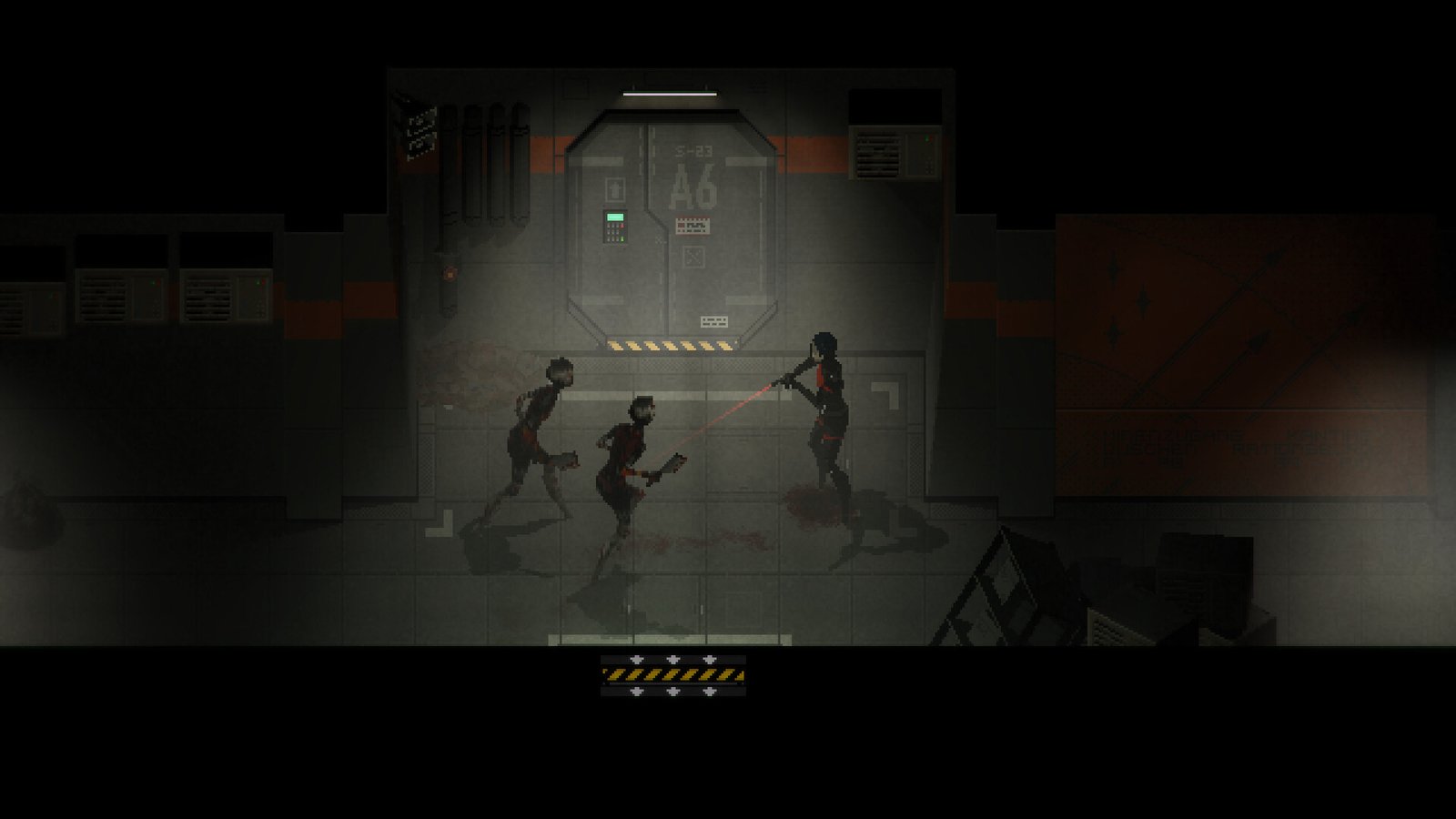
Signalis is one of those horror games that came in through the indie sphere and ended up taking the genre by storm — for good reason, too. Not only is it a genuinely good horror title, but the subtext in this game make everything all the more unsettling.
The premise of this game is simple: you’re an android (called Replikas in this game) looking for your wife and your missing dreams, which acts as gaps of information for the player. As you navigate through the story and learn all the little details, suddenly, things start to turn on their head.
This game is heavily inspired by Silent Hill 2 and it shows, especially with how this game incorporates horror into subtext. You’ll be devastated by the end of it, and all the more distraught when you play through the game again and notice so many details that change the entire experience over and over again.
9
Eternal Darkness: Sanity’s Requiem
Watch Yourself
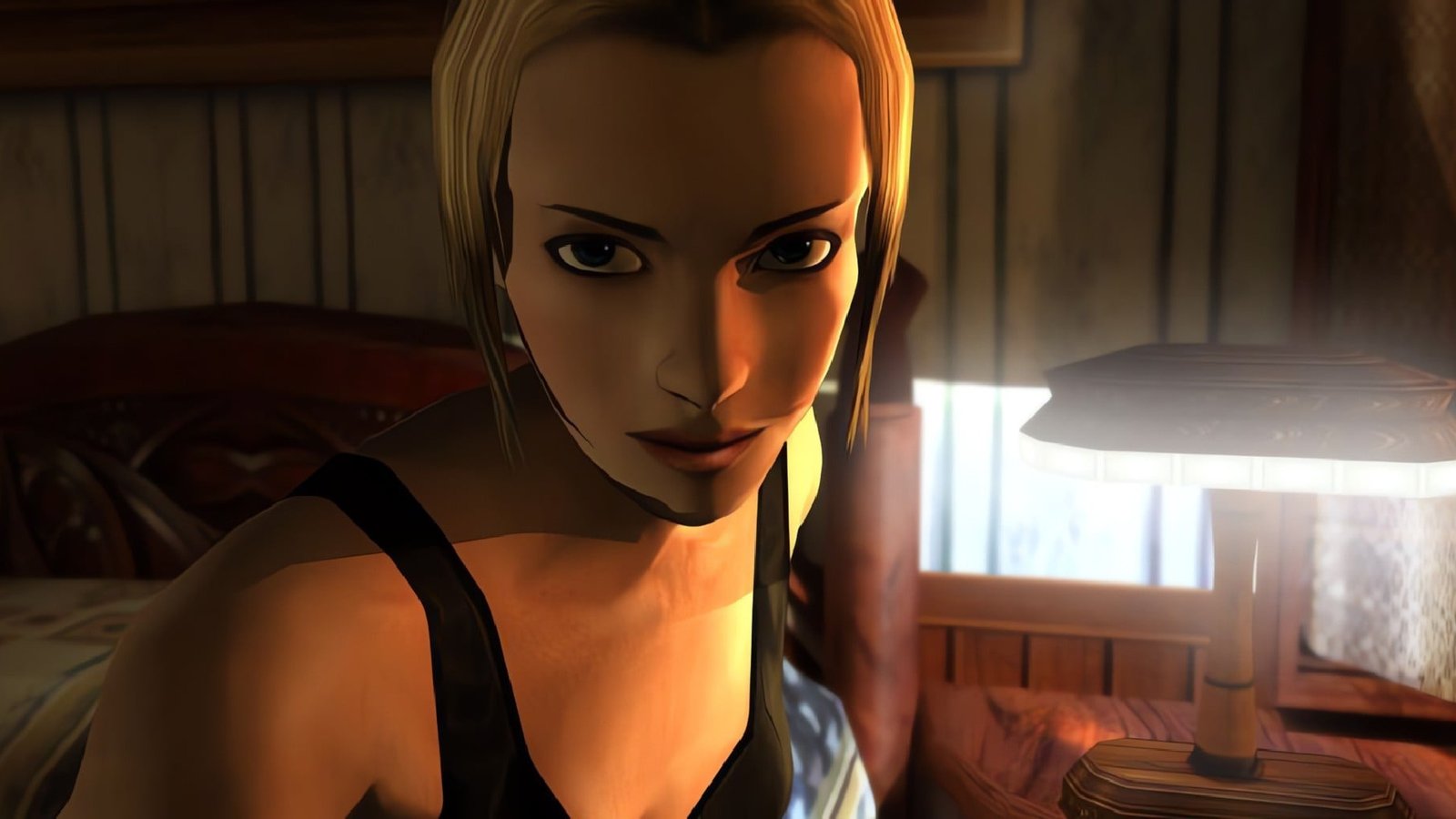
For a GameCube game, it’s genuinely impressive how Eternal Darkness: Sanity’s Requiem manages to keep players on their toes, terrifying them in ways they never expected. While it’s a bit more mainstream to see in horror games now, the true fear in this gem comes from your Sanity Meter.
As your sanity decreases, the fear factor increases, ranging from subtle noises to straight up visual hallucinations. This encourages players to keep track of themselves and manage their sanity, lest they start to see the volume on their screen decrease to mute despite not touching the remote.
Plus, within the game itself, you’re playing as several different characters in several different time periods, so you need to make sure you’re checking every nook and cranny for all kinds of details, not just chapter pages.
The details are remarkable, especially for a game on such a limited console.
8
Pathologic
Something’s Wrong Here …
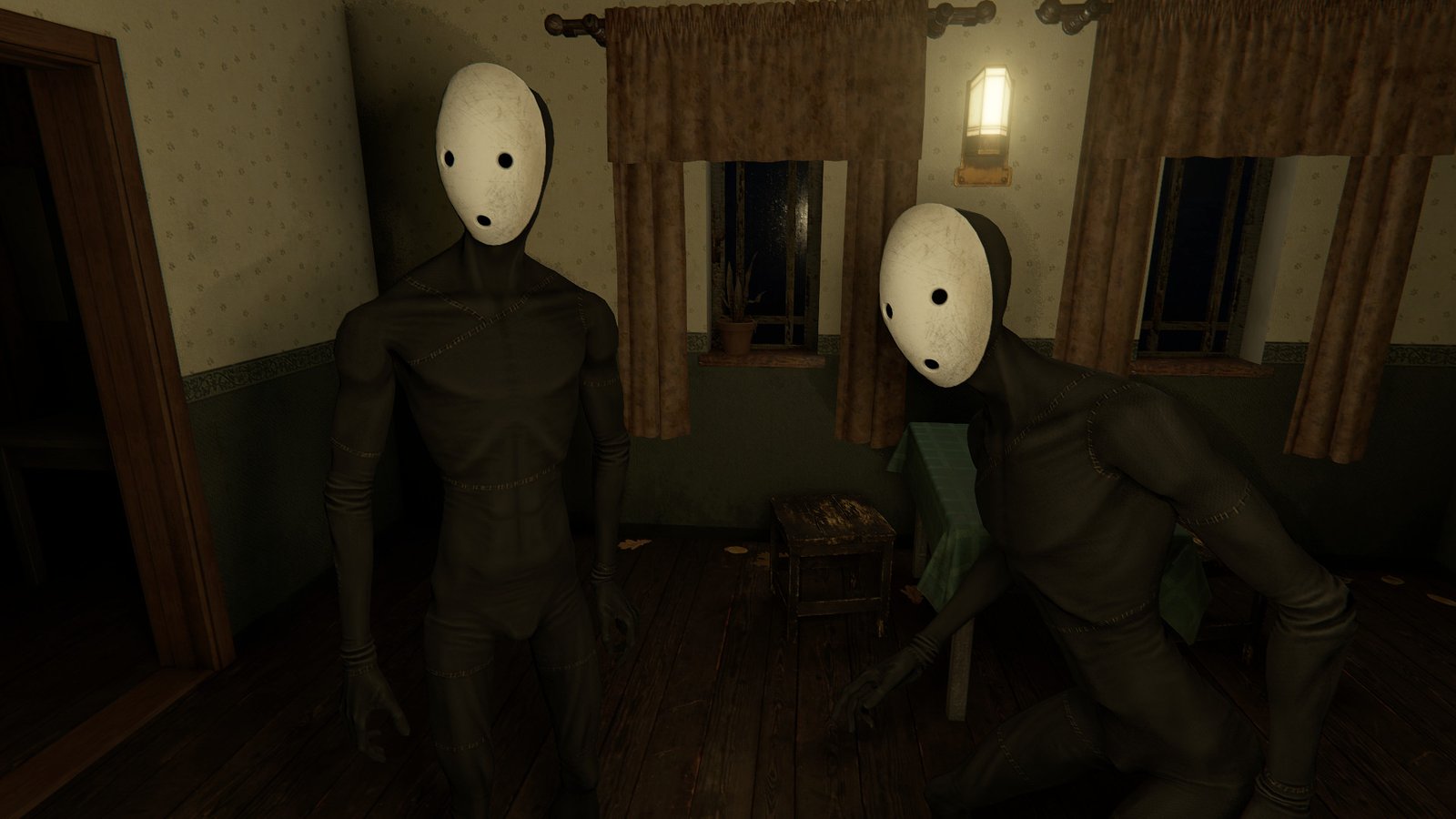
Investigations are notorious for containing details that slip through the cracks, so when you play as a doctor trying to make a cure for a plague in Pathologic, be ready to catch those details as they fall.
Not only are you trying to save the town with a limited amount of time, but you’re supposed to keep yourself afloat while you’re at it. Yes, you can get infected by the very plague you’re trying to save everyone from.

However, the main creepiness of the game comes from its atmosphere and all the subtleties that make its way into the dialogue, documents, and components. There’s a lot for you to uncover, and a lot more for you to try and dissect afterwards.
Plus, if you manage to actually save the town in time using the power of those details, it’s one of the most rewarding feelings in all of gaming.
7
Visage
Memories That Echo
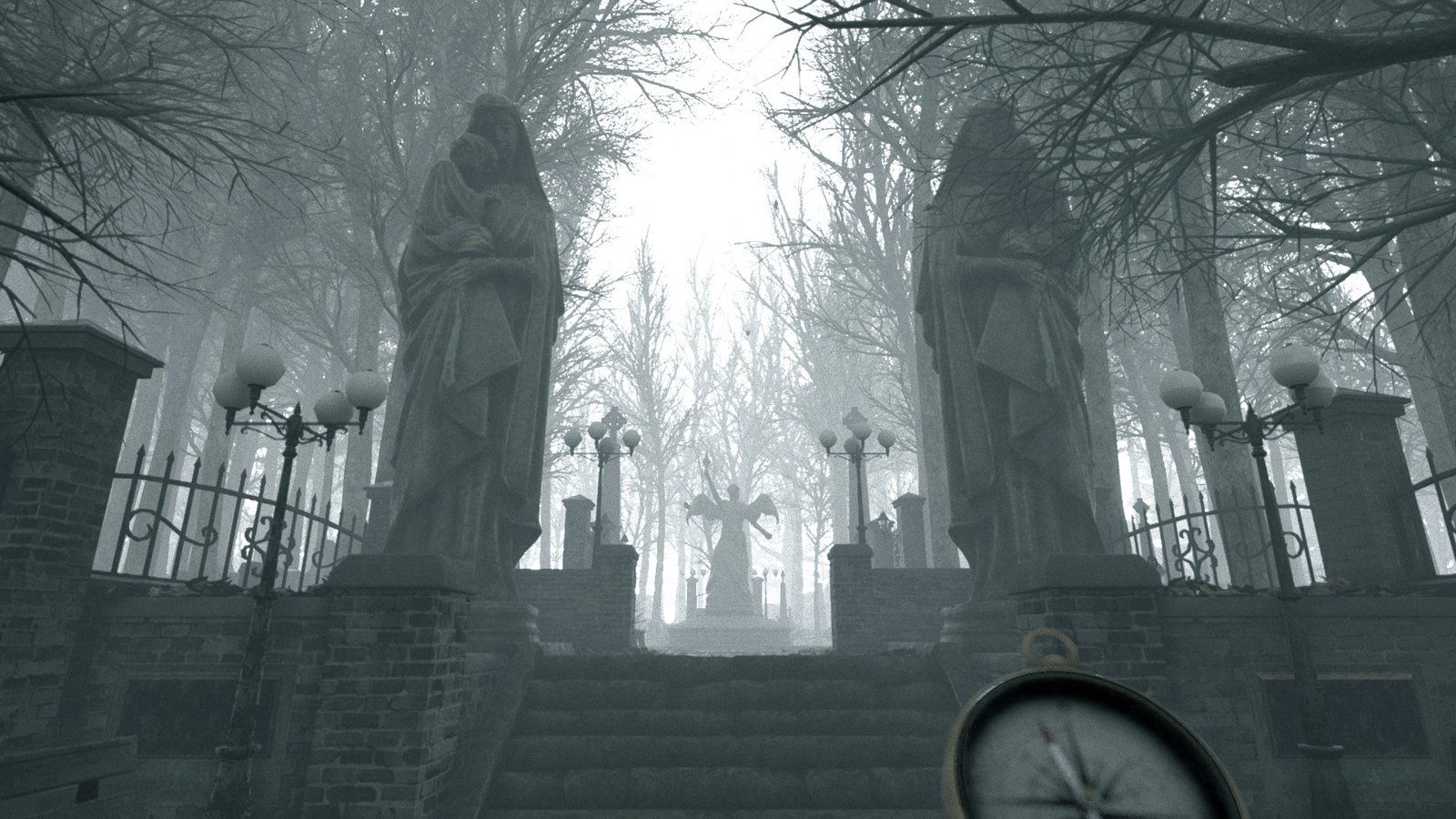
Considering that Visage was inspired by the tragically cancelled Silent Hills (known as P.T.), it’s no surprise that there are a ton of details that you can easily overlook in this game, especially ones that add so much extra context to the story and characters.
Hauntings and happenings in Visage aren’t without reason, just as the puzzles tend to add to the already-established plotline. While it can be a bit tough to get through, it’s well worth it when you complete the game.
There isn’t much that can be said directly without spoiling it, so I encourage you to give it a go if you’ve not played it before — just make sure that you’re paying attention to everything, even all the little things, because it all adds up.
6
Devotion
The Answer is Right in Front of You
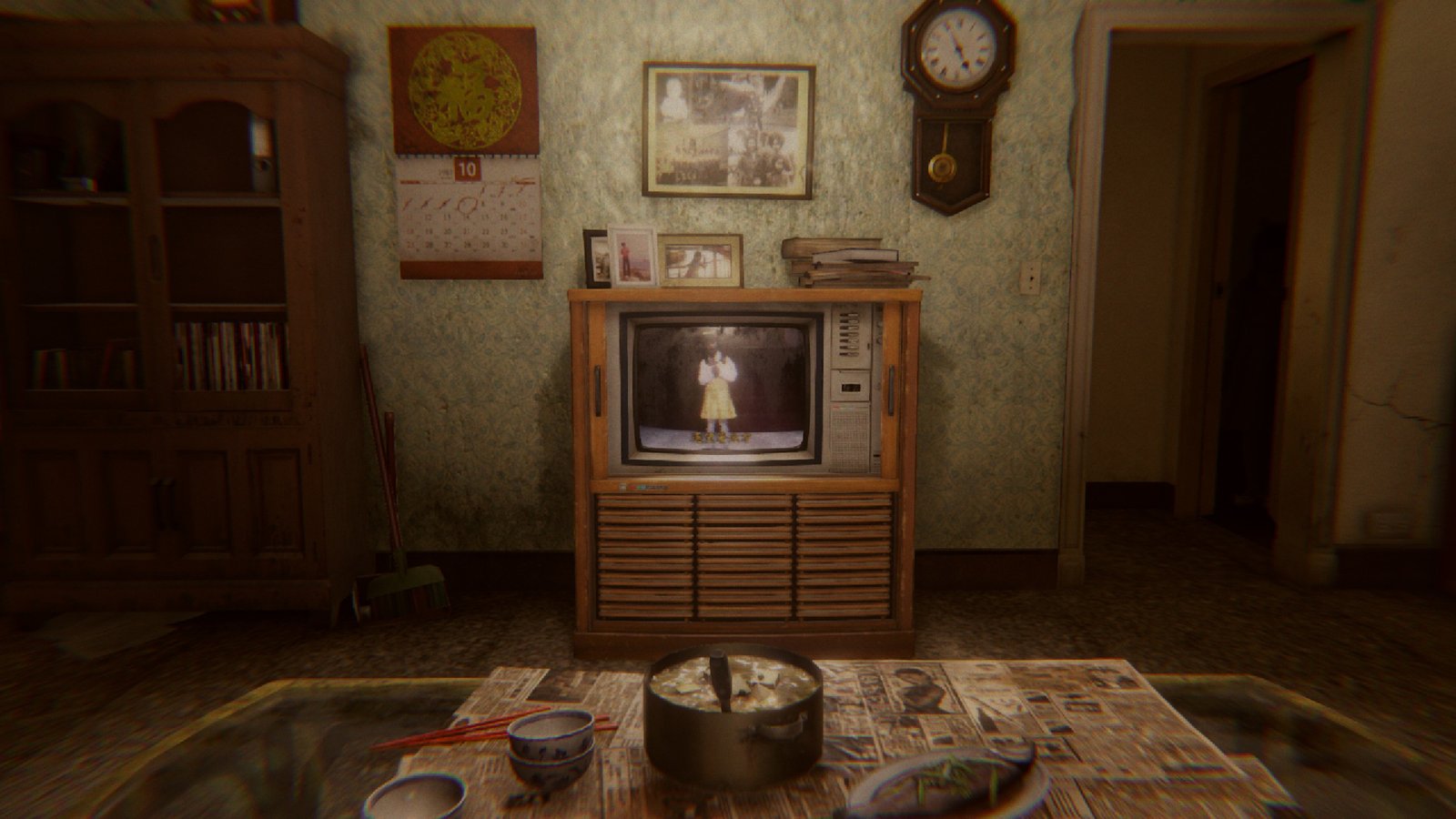
Devotion is an absolute tragedy from start to finish, but players would have no idea of this until they complete the game — and won’t realise that the game was telling us the answer from the very beginning.
The Du Family Home is a puzzle in and of itself, with each room, hallway, and even furniture piece carrying some importance to the plot. As it tells the story of a broken home in 1980s Taiwan, players will encounter so many details that don’t make much sense … until you learn what it means.
It’s heartbreaking, honestly, and by the time you make it to the finish line you’re left wondering about everything you’ve witnessed, burned into your memory until the end of time — at least, that’s what happened to me.
So if you go back and play through it again, knowing the spoiler, you’ll find the answer hidden right in plain sight.
5
Doki Doki Literature Club
Literally Hidden Within Files
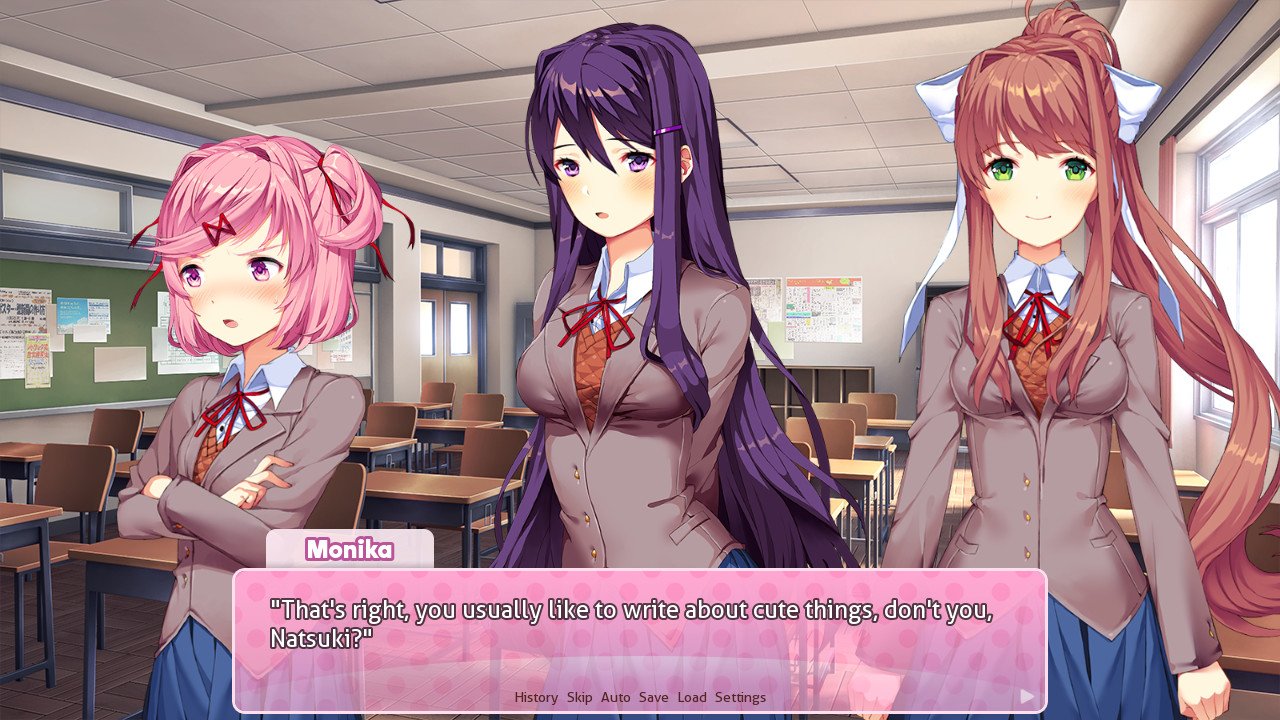
What’s interesting about Doki Doki Literature Club isn’t the fact that it disguises itself as a dating simulator, but for how it approaches subtextual horror — specifically, how it approaches this horror in your own game files.
By now, it’s no secret that you need to get into the game’s files and delete characters in order to progress, but there’s actually a ton of coded information in the game if you were to do anything else. For example, if you just delete a character before even starting the game for the first time, you’ll be met with a new cutscene with an equally horrifying outcome.

Also Read
Plus, there are a ton of additional details that allude to other characters, their psyche, and what it means for the story as a whole. There are even some hidden files that, when touched up, could reveal what Team Salvato is working on next (or it could just be a fun Easter Egg, either way it’s freakishly cool).
This isn’t even mentioning the random-chance scares and other secrets in the game’s code. If you played through and beat DDLC once, it might be worth going through again, since there’s a ton that you are guaranteed to have missed your first time around.
4
SOMA
Existentialism at its Finest
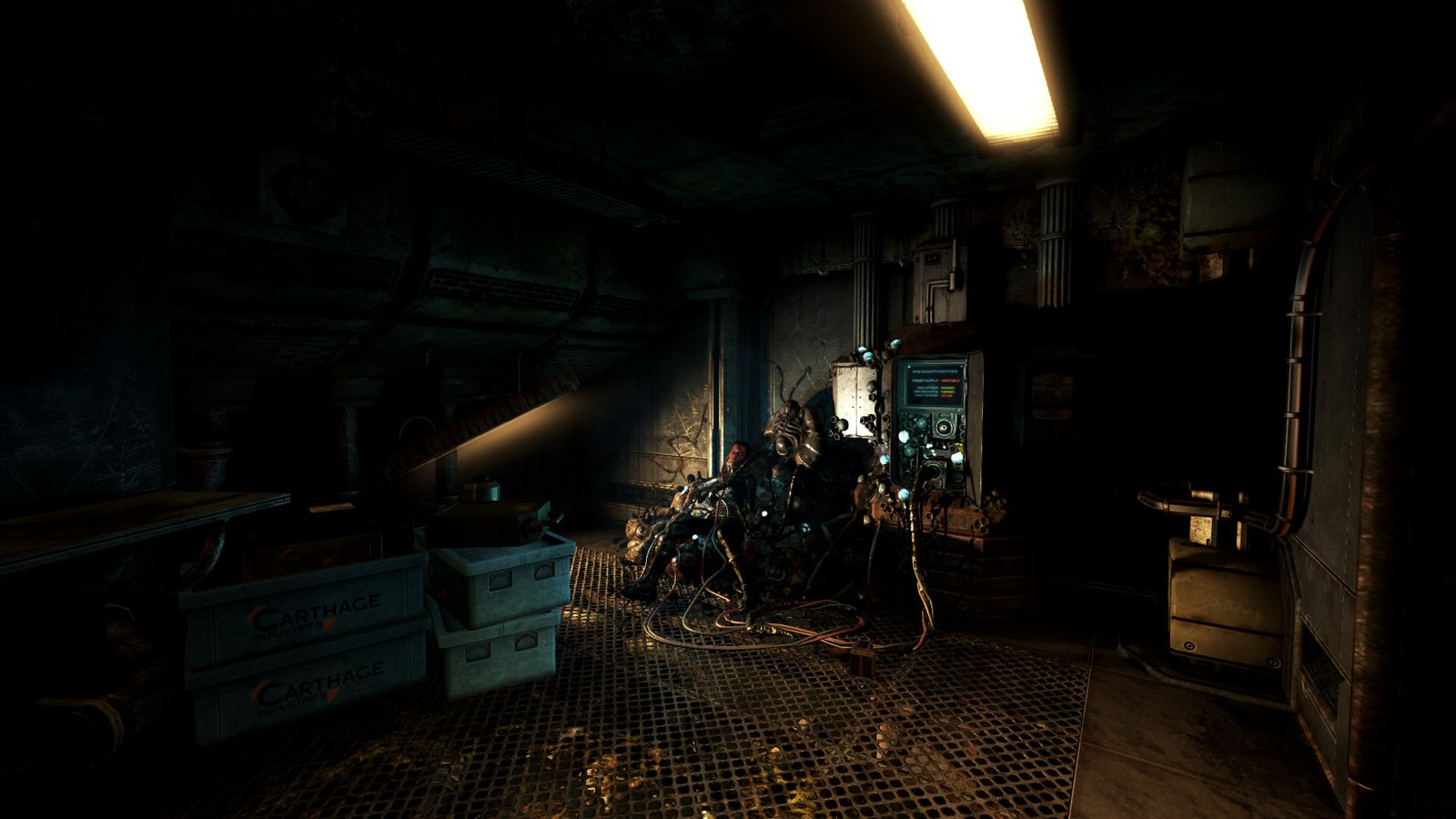
It’s not often when an indie horror game cements itself as an instant classic, but that’s exactly what happened with SOMA, a masterpiece in horror gaming. Instead of focusing on any direct event or monster, SOMA dives into the human mind and questions humanity at its core.
The environmental storytelling in this game is unmatched, and when you actually learn the truth of what’s going on, everything starts to take on a whole new meaning. Even if you predicted the ending, you had no idea it would end up like this.
SOMA makes you question everything around you, which is always a good thing in the horror sphere, and it fills you with doubt. This doubt is all-consuming and all-controlling, so it’s no wonder that this game has a reputation for being as bleak as it is.
Seriously, SOMA is one of the best examples of subtextual horror in not just the genre, but gaming overall.
3
The Mortuary Assistant
Subtle and Horrifying
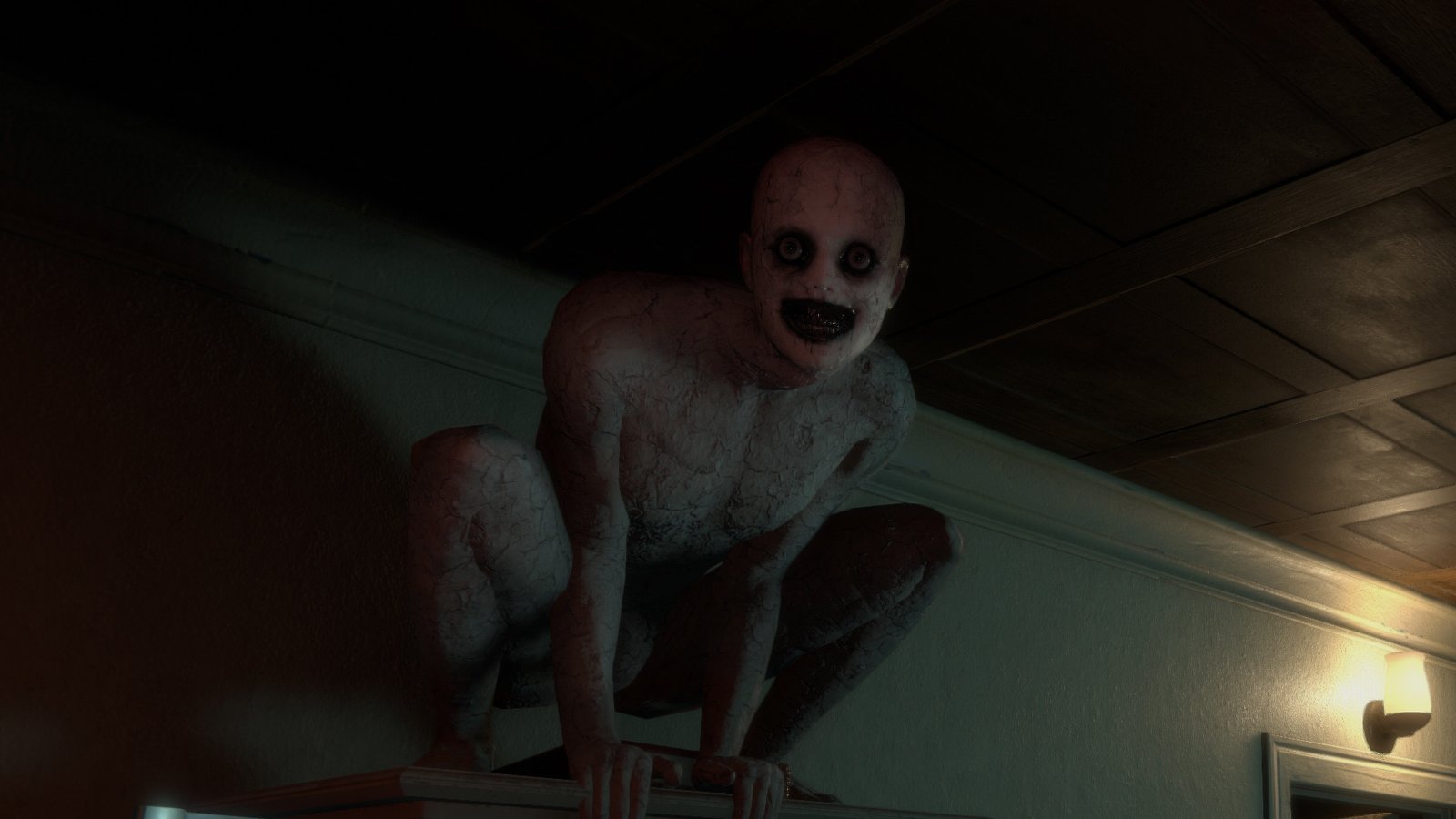
It’s not often when horror games will have you seeing things out of the corner of your eye — even less so often, there’s something actually there. However, for The Mortuary Assistant, if you see something out of the corner of your eye, it’s definitely a demon, and definitely pulling one of the scariest appearances it could manage.
There aren’t many games that will have you checking over your shoulder as often as The Mortuary Assistant does, and it’s because of just how subtle the scares are. If you aren’t paying attention, you can easily miss what’s happening around you, and you need to know what exactly is happening around you if you want any chance at surviving.
In this game, you have to figure out which of the dead bodies you’re treating is possessed by a demon, and it’s up to you to figure out that demon’s name and exorcise it, or else you’ll be the next target. Yet, through the whole thing, you still have to tend to the dead.
It’s a genuinely tense and horrific encounter from start to finish, and probably one of the freakiest examples of subtle scares that gaming could conjure.
2
The Closing Shift
A Very Real Fear
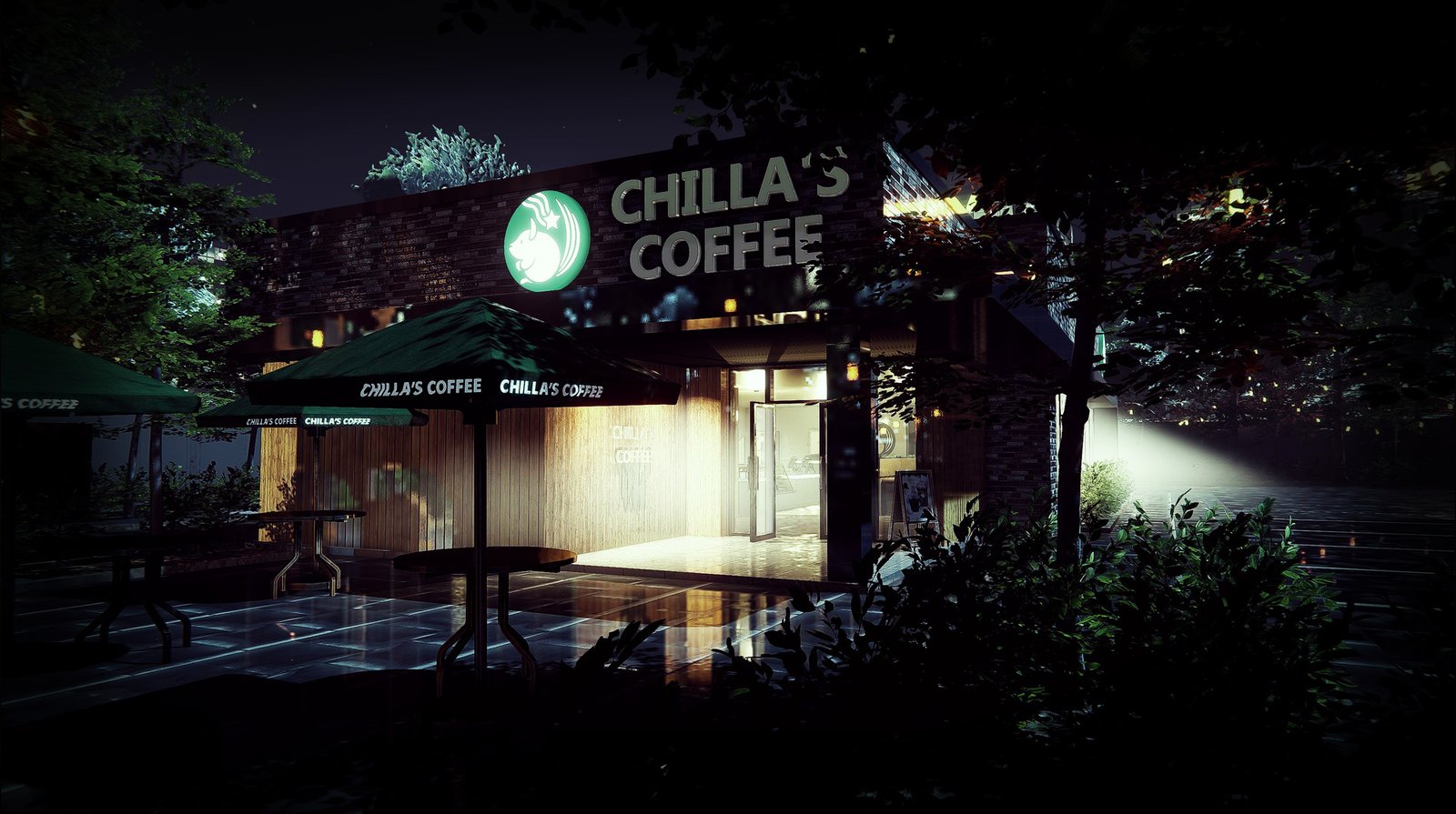
Chilla’s Art games are notorious for atmosphere and subtle details that make the whole experience all the scarier. However, nothing is as terrifying as one of their best works, The Closing Shift, where you play as a barista being stalked by a stranger.
Stalking is an incredibly real fear that happens to far too many people worldwide, and it’s realistically depicted in this game in the best way. You’ll be completely paranoid before you even hit the halfway mark, checking every customer as if they’re your stalker.

Also Read
You’ll be so caught up on trying to catch and stop your stalker that you’ll overlook other details that lead to your fate. The supernatural components almost feel like a red herring to get you to miss these details.
This game perfectly captures that paranoia that manifests from too many subtle details — and while they feel like the correlate, they don’t always, which adds so much to the horror.
1
Silent Hill f
Context Changes Everything
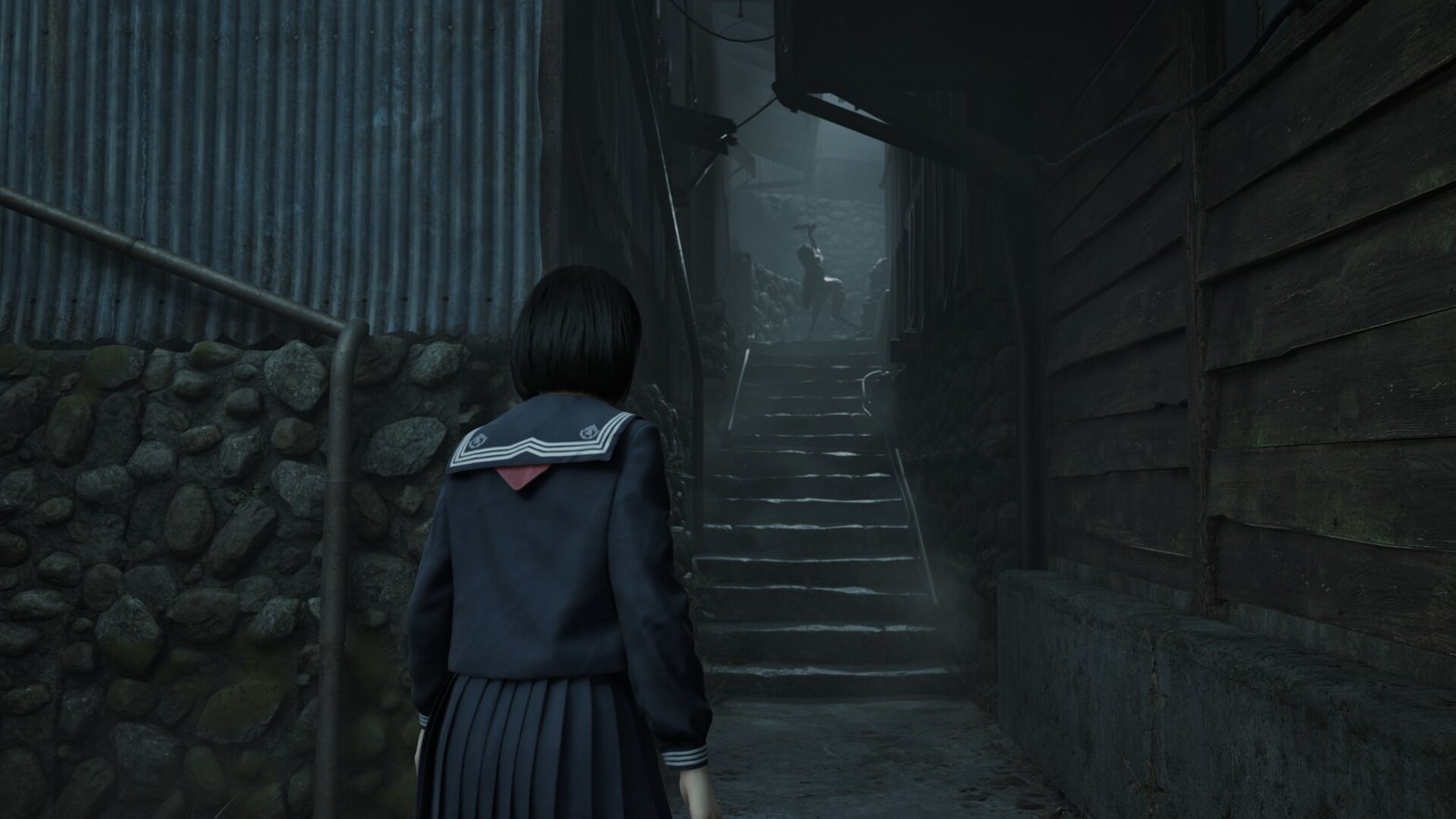
The Silent Hill games have always been notorious for subtextual horror, with an experience that changes with every replay as you gather more context. Yet, none of them capture it quite as wonderfully as Silent Hill f does.
Seriously, the f in Silent Hill f should stand for “full of details,” because it’s packed tight with so many subtleties that you’ll easily miss. This isn’t even including the cultural nuances that Western audiences wouldn’t catch at all.
I have platinumed this game four times, and am still replaying it time and time again entirely in Japanese, and every playthrough, I notice something new. These new details that I catch aren’t just nice nods, but end up reshaping how I look at the game as a whole.
Silent Hill f has cemented itself as an instant classic in horror gaming, packed to the brim with richness and depth that hasn’t been seen since the classic Team Silent games; all in all, it’s a masterpiece of subtextual horror.

