

Back in 2025, something completely mind-blowing happened, shifting the landscape of the games industry. Hollow Knight Silksong has actually released, transitioning from the most anticipated indie game ever to one of the most brilliantly realized projects ever.
Why do I mention this? Well, because with Silksong out in the open, it’s blown the race to be the ‘best game with ‘hollow’ in the name in 2026′ wide open. A pretty niche accolade to be chasing, but Mina the Hollower looks odds-on to achieve it nonetheless.
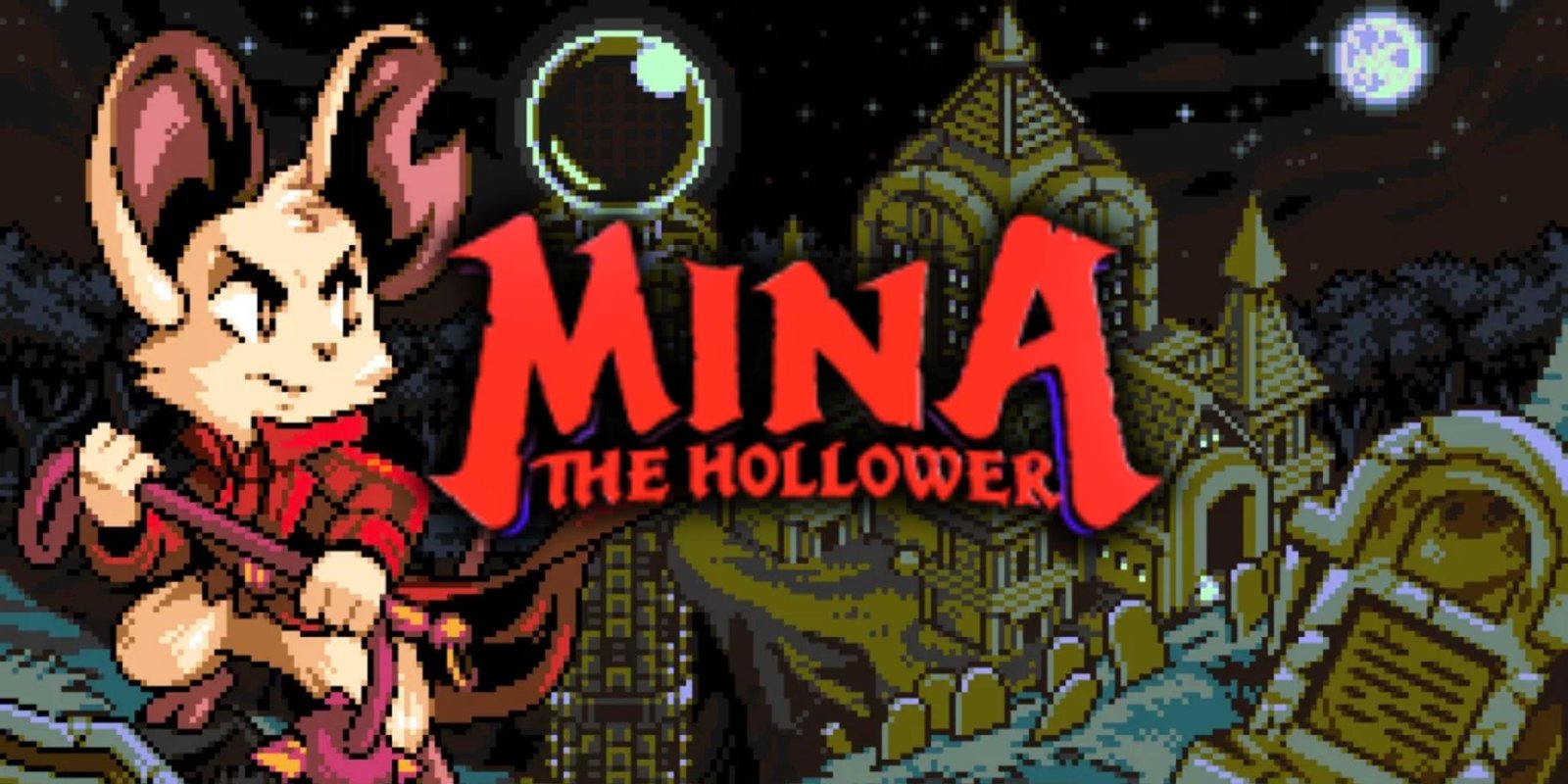
Much like its indie brethren, this title comes with pedigree and expectation, as the Shovel Knight Devs aim to follow up on one of the best indies of all time with a completely new 8-bit style venture.
It’s an ambitious title that aims to marry the popular Soulsvania approach with the retro approaches of yesteryear. A bold move, but one that I think you’ll really dig. Or should I say, burrow.
Pixels At A Premium
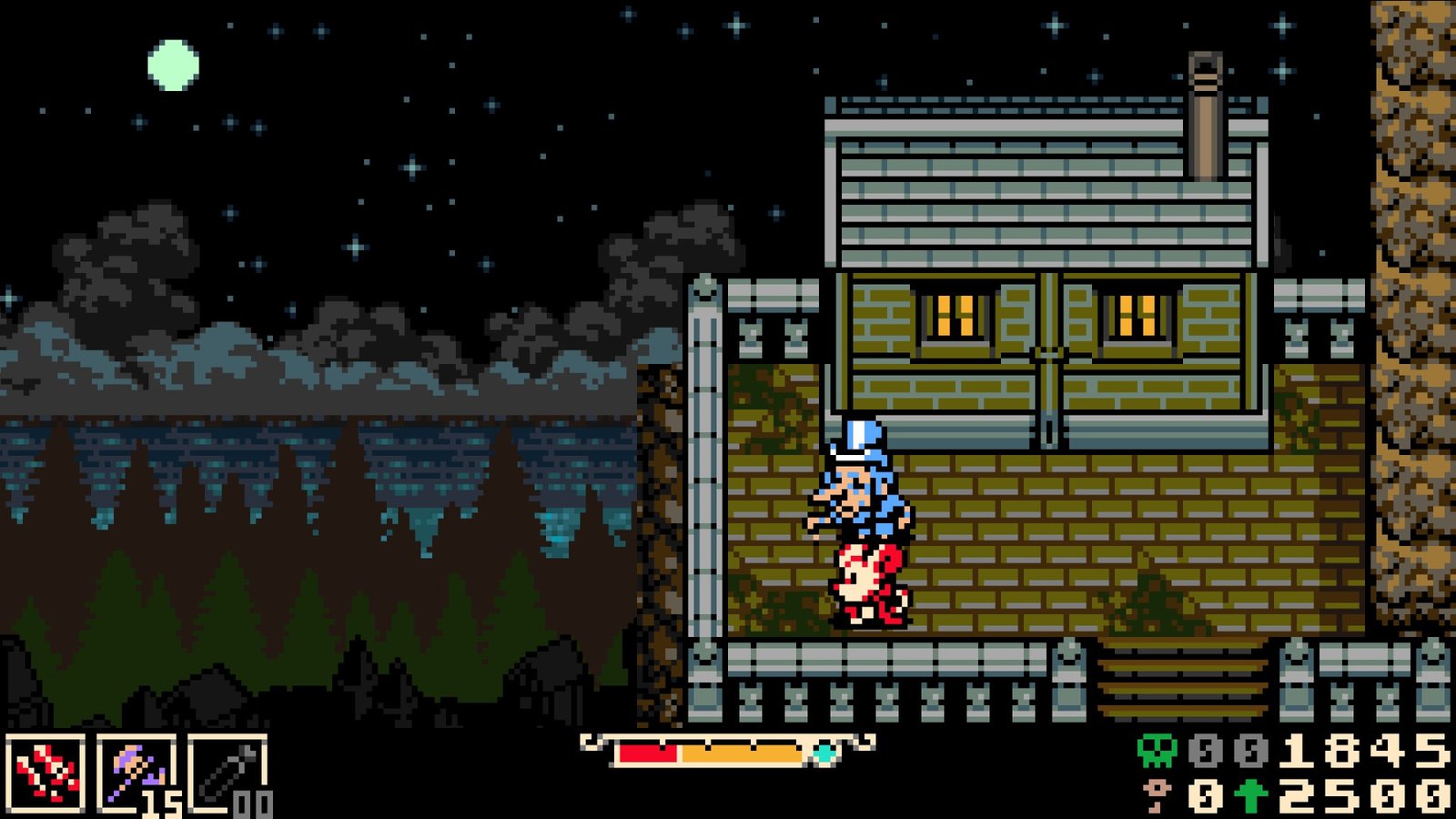
One of my favorite games of last year was a little indie called Pipistrello and the Cursed Yo-Yo. A top-down Metroidvania with a focus on offering GBA visuals and a retro feel. Which is perhaps why my eyes lit up when Mina the Hollower turned out to be more of the same.
This intentionally old-school vibe works a treat, but never feels like a dated affair. As everything the game does from a mechanical standpoint feels wholeheartedly modern.
Visually, this game is a wonderful blast from the past, using chunky pixels and chiptune melodies to transport me back to a time where I was hopelessly trying to play my Game Boy in the dead of night in the back of the car, timing my movement with the passing streetlights.
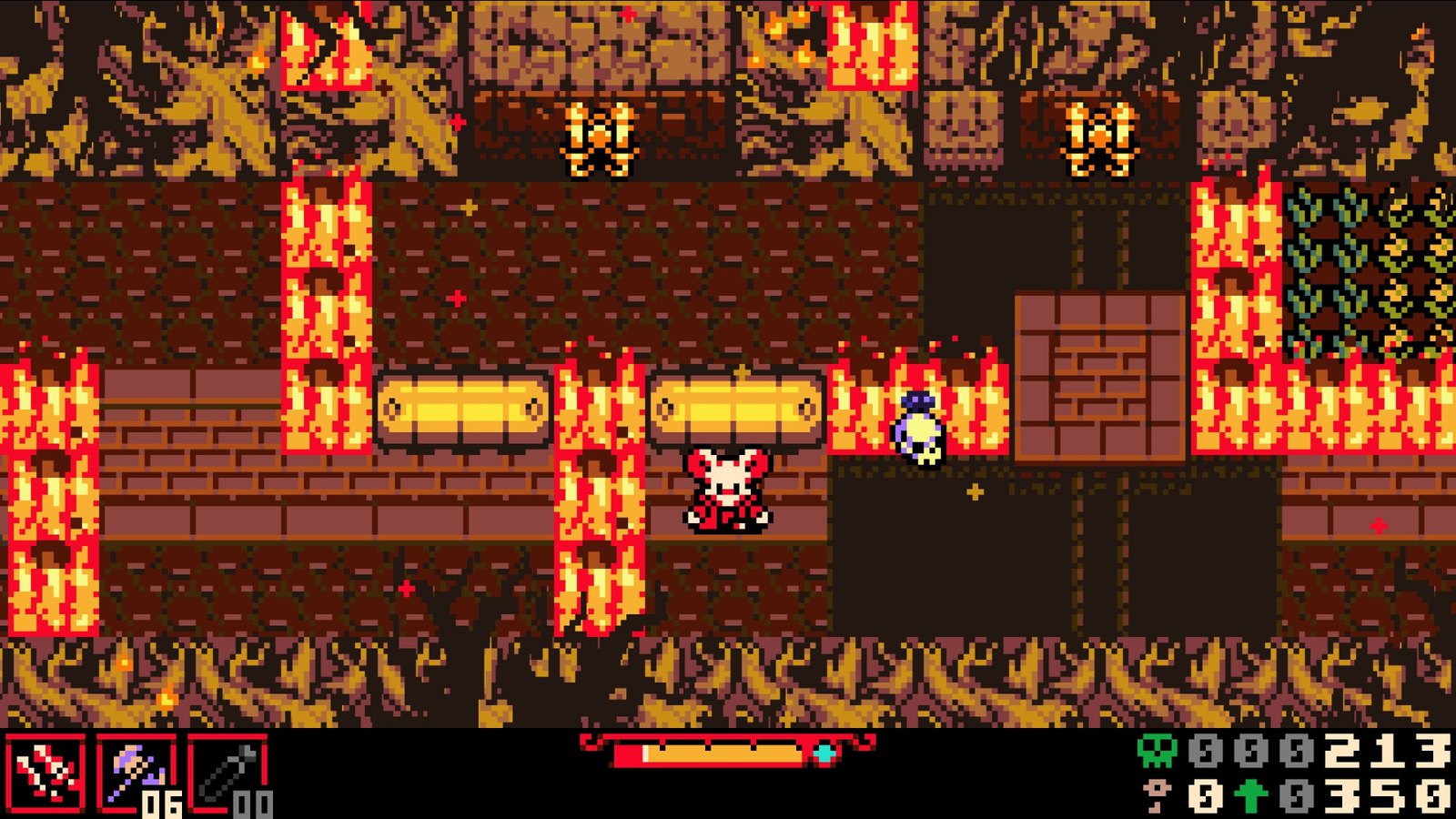
This intentionally old-school vibe works a treat, but never feels like a dated affair. As everything the game does from a mechanical standpoint feels wholeheartedly modern. Allowing you to swim in a sea of nostalgia without ever drowning in technical issues or frustrating design choices of yesteryear.
Truly, it feels like the Game Boy game we never had. A monumental Soulslike platforming endeavor with so many unique ideas. The Game Boy wasn’t short of smash hits, but I assure you, this would have been the best of the bunch by some distance, had it been released in the era it so majestically replicates.
Wake Me Up When Septemburg Ends
So, the game’s a looker that plays on nostalgia. Realistically, we all knew that going in. But what does it feel like to explore this world, I hear you ask. Well, not too heap too much praise on little ol’ Mina. But it feels exactly how an obtuse and demanding Soulsvania should.
In truth, I need to reign it in on the ‘vania’ aspect. Because the game really isn’t a Metroidvania in truth, even if it does feel like one at times. Purely because you are never blocked by progression or a lack of power ups.
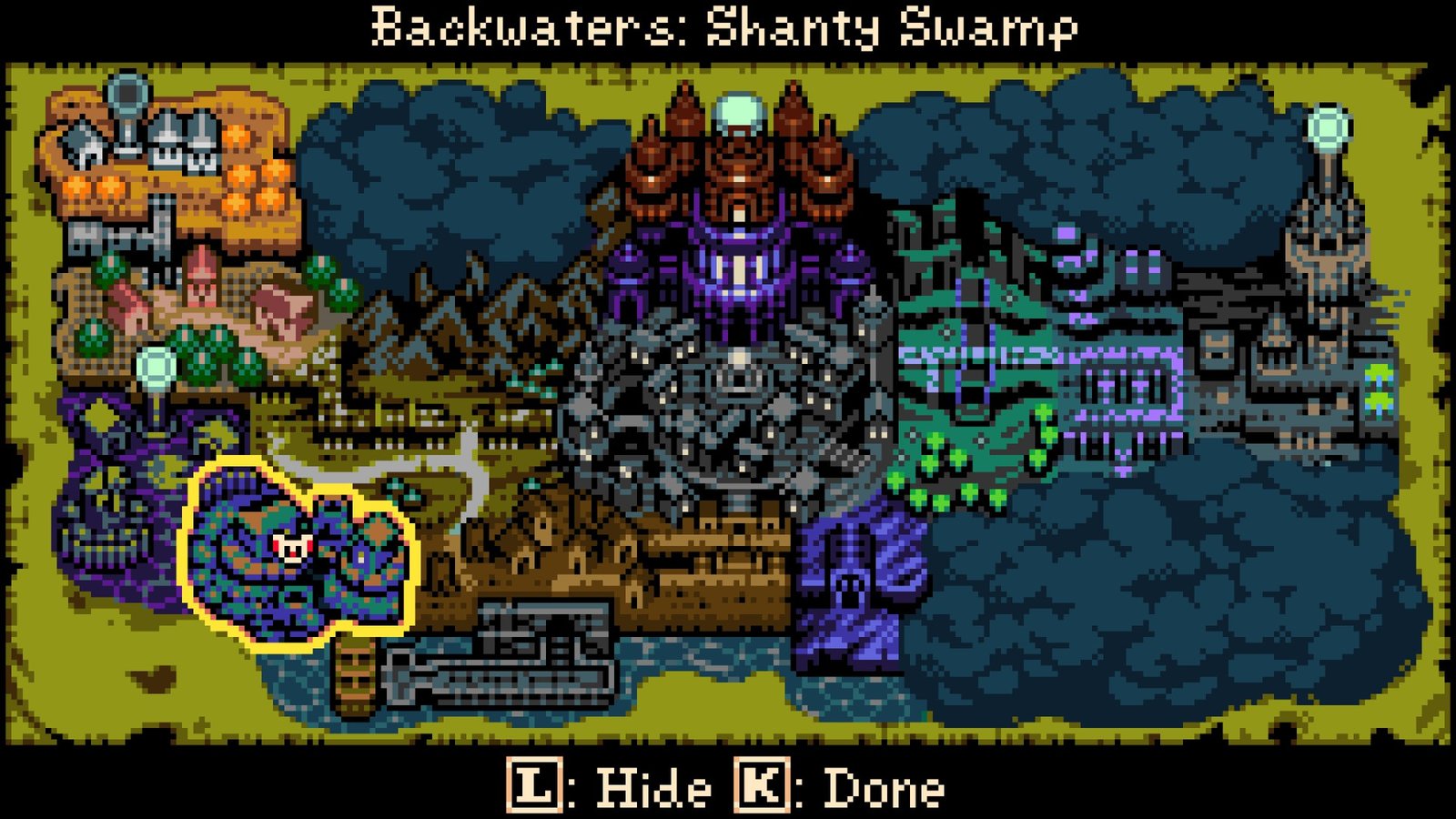
Mina the Hollower’s world is a masterclass in emergent design, because while there is a suggested path of progression, you can pretty much go to any biome first, and explore in any way that excites you. Provided you have the skill to pull it off.
The map and the various systems and builds available in this game all but encourage sequence breaks, experimentation, and explorative freedom. Which can lead to moments where you wander aimlessly at times. But, as a long-suffering Soul’s fan, I know that this is par for the course.
But, for those who find this tedious, there are plenty of systems to guide you by the hand. Such as the newspapers that hint at the natural path of progression. Not to mention difficulty sliders that turn this from a demanding affair, to a fun, forgiving adventure.
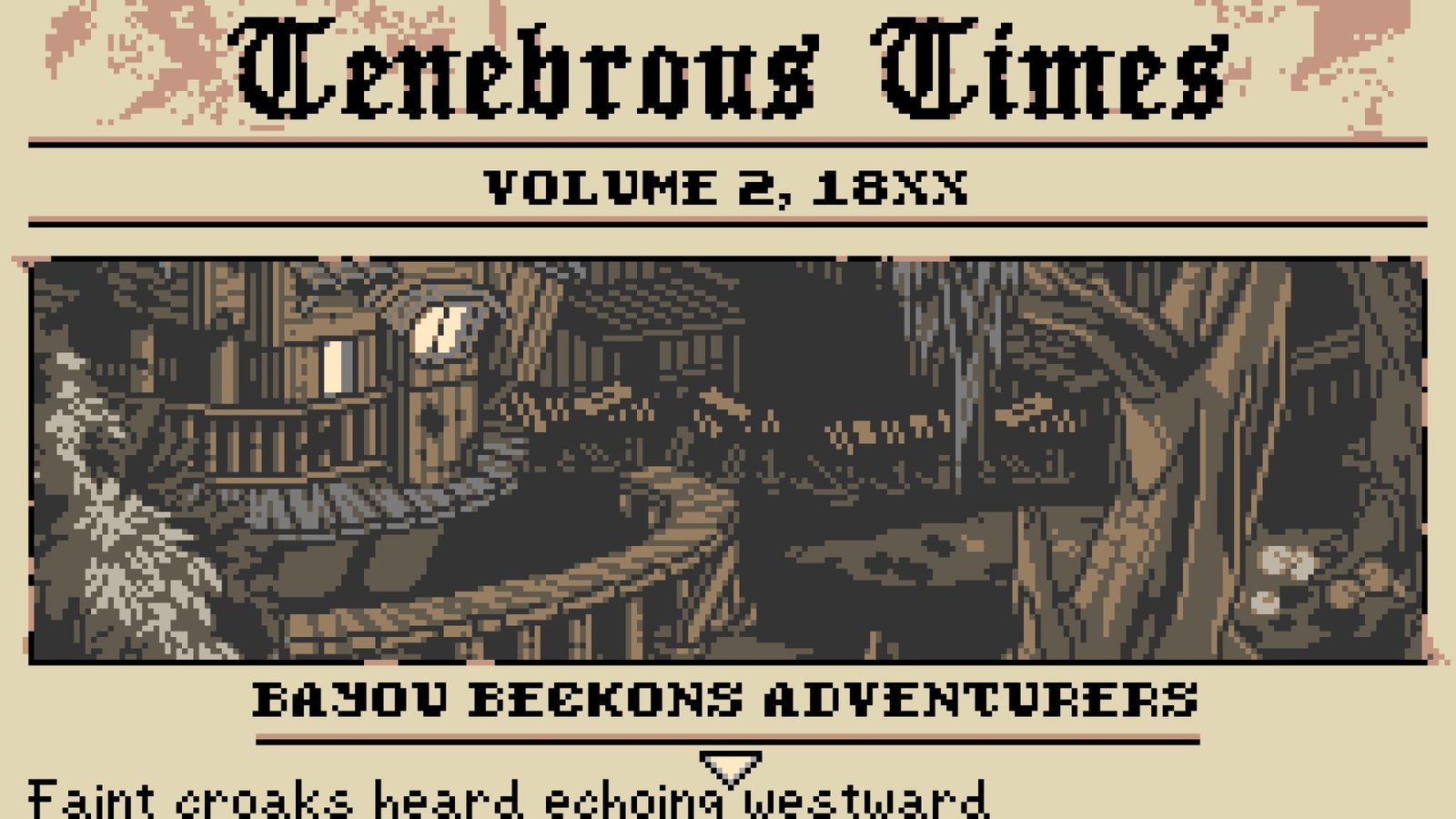
What I’m getting at here is that the map and overall world design of Mina is the star of the show in many ways. As it all but ensures that no one’s playthrough will be entirely like another.
You’re in the driving seat, and if you end up going around for a new game plus run, you’ll see first-hand just how powerful knowledge is when it comes to progression. It might not be a Metroidvania, but it’s a stone’s throw away from being a Metroidbrainia.
Miyazaki? More Like Mina-Zaki
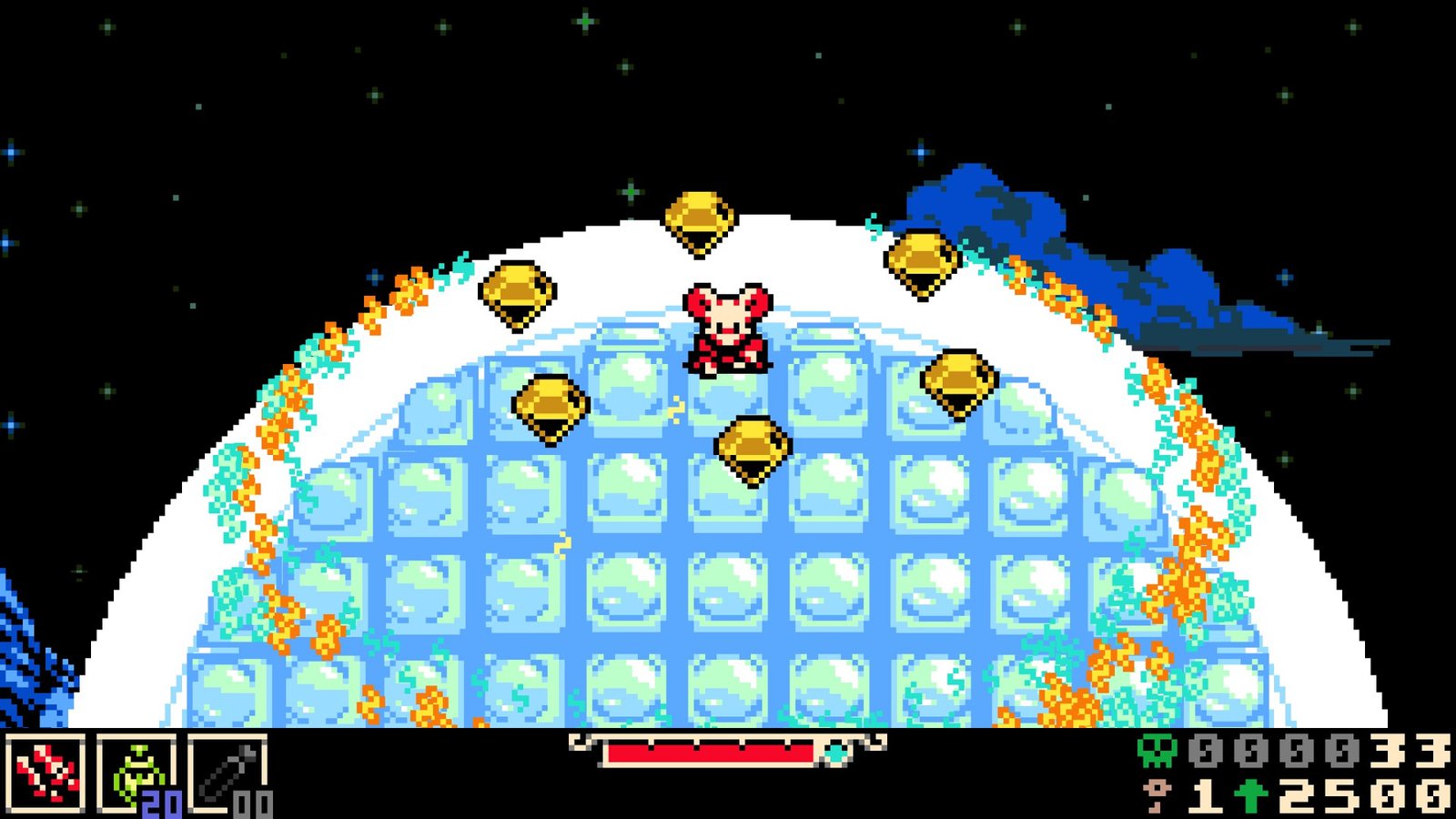
Creating a Souls game in any capacity is such a hard thing to do. The balance of systems is so important. The enemy variety and boss design are under a lot of scrutiny, and the sense of discovery and wonder has to be present. So, to take on this challenge and then try to pack it into a neat little package befitting of a GBA game is nothing short of insanity.
This top-down 2D epic manages to offer a format that feels like a love letter to handheld Platformers of old, while also feeling like an uncompromising war of attrition for players as they aim to master the various mechanics at play.
I would be lying if I said that Mina aced this exam with no dropped marks. But it has to be said, that if we’re talking grades, this is a very comfortable ‘A-Minus’.
As discussed, the world design invites adventure and discovery at every turn. But beyond that, this top-down 2D epic manages to offer a format that feels like a love letter to handheld Platformers of old, while also feeling like an uncompromising war of attrition for players as they aim to master the various mechanics at play.
Above all, the burrowing mechanic that proves pivotal in all your platforming throughout is a masterstroke. As it not only serves as an evasive maneuver, but a multi-faceted means of getting around that never feels stale for even a moment.
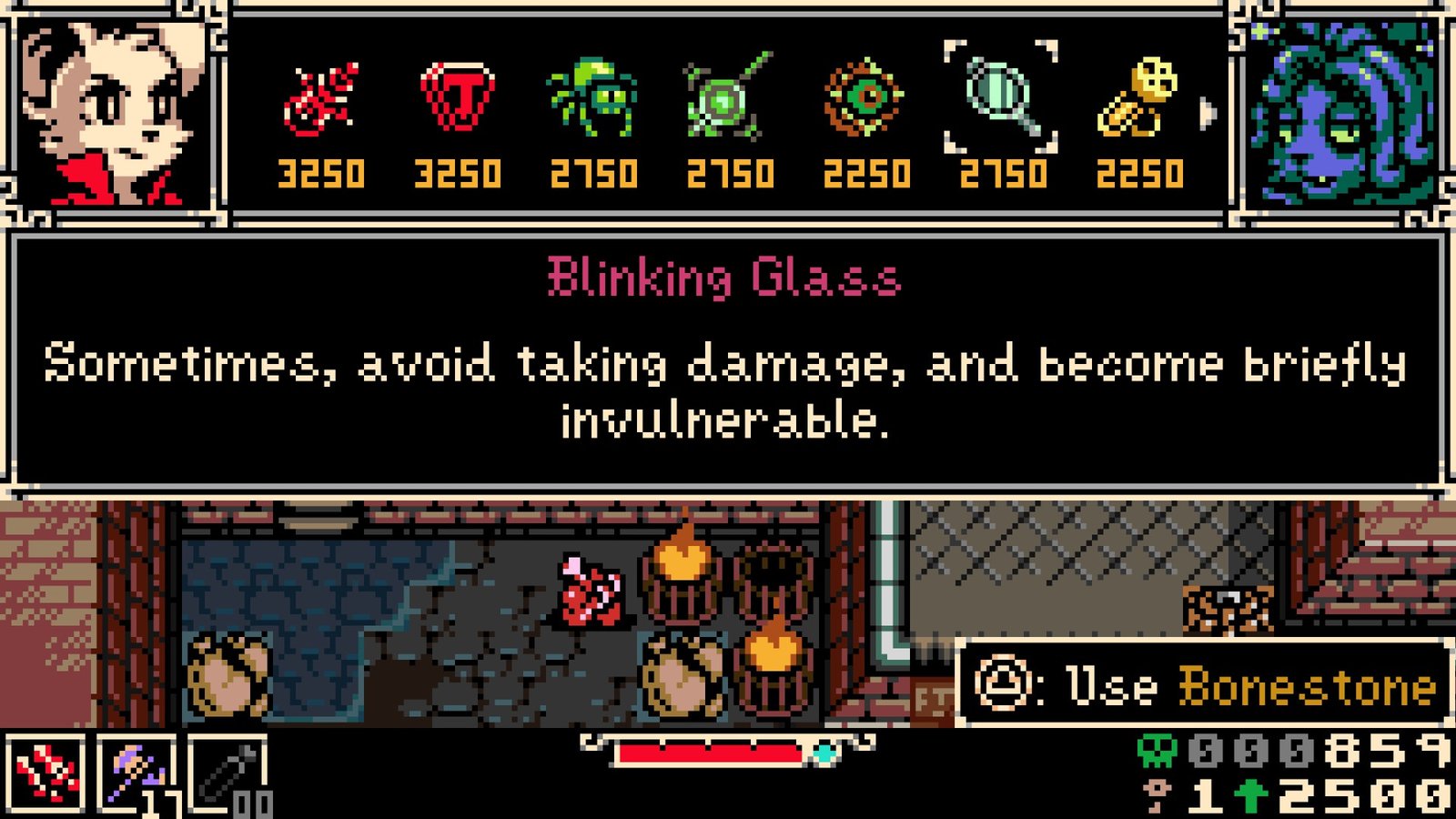
However, you also have to commend the wealth of build options through trinkets, sidearms, and more. Allowing you to lean into the aspects of this demanding game that you excel in.
Exploring thoroughly often leads to easier times later down the line. Grinding bones usually allows you to buy quality items, some of which you shouldn’t really have access to until much later. But that’s the beauty of Mina the Hollower. It’s only as brutal as you want it to be.
A Pain In My GBA
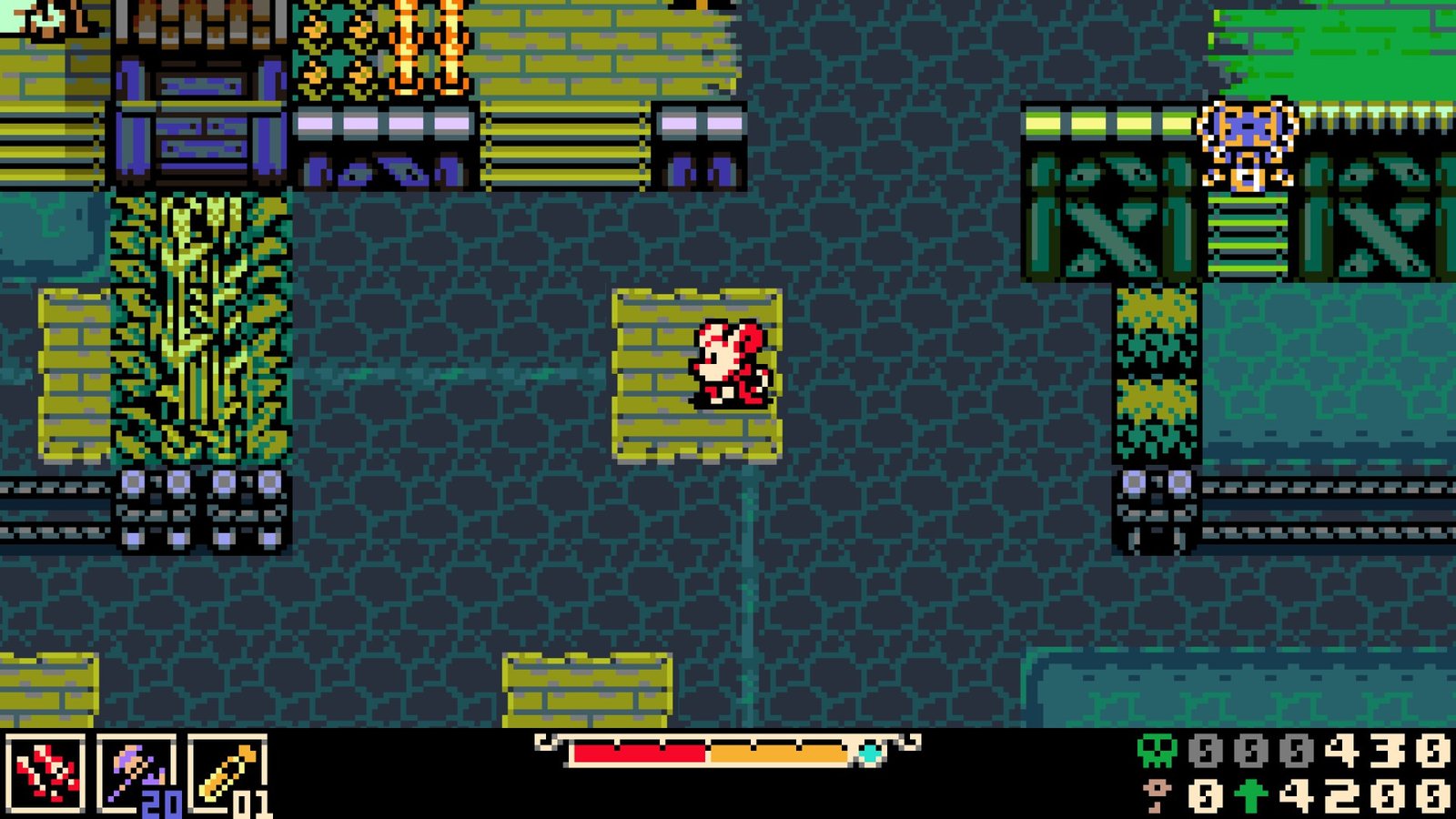
Mina the Hollower is one of the most accessible and whimsical Soulslikes I’ve ever encountered. One that caters to all, but also, doesn’t pull any punches. But, unfortunately the game also does somewhat suffer from this obsession with being cast in this Soulslike role. As some things feel like they simply don’t suit the top down format, or feel like ideas that hurt the overall experience rather than compliment the exemplary plethora of great design choices.
One such problem is the health system. Something akin to Bloodborne’s risk-and-reward health regeneration. I’ll be the first to admit that Bloodborne’s biggest issue revolves around its health system. Specifically, health vials. But, in battle, it felt dynamic and very satisfying.
In Mina the Hollower, it simply doesn’t feel that way, as it’s not an optional risk. It’s a mandatory means of healing, as plasma needs to be generated through attacks to use health vials. Something that usually leads to helpless situations in battle, failed platforming sections despite having health items to hand, or ridiculous cheesing mechanics to take the fun and enjoyment out of mastering and countering enemy attack patterns.
It’s not often that a small mechanic is so cumbersome to me that I can’t compartmentalize it, or grow to accept it. But in the case of Mina, this health system never grew on me, and instead remained a constant burden to endure when a simple Estus system would have worked just fine.
Then in addition, the typical souls corpse run the game employs feels a little awkward in practice, and unnecessarily punishing. Awkward because the recovery orb placement can often hover above guaranteed drops, meaning you’ll need to take damage just to get your stuff back.
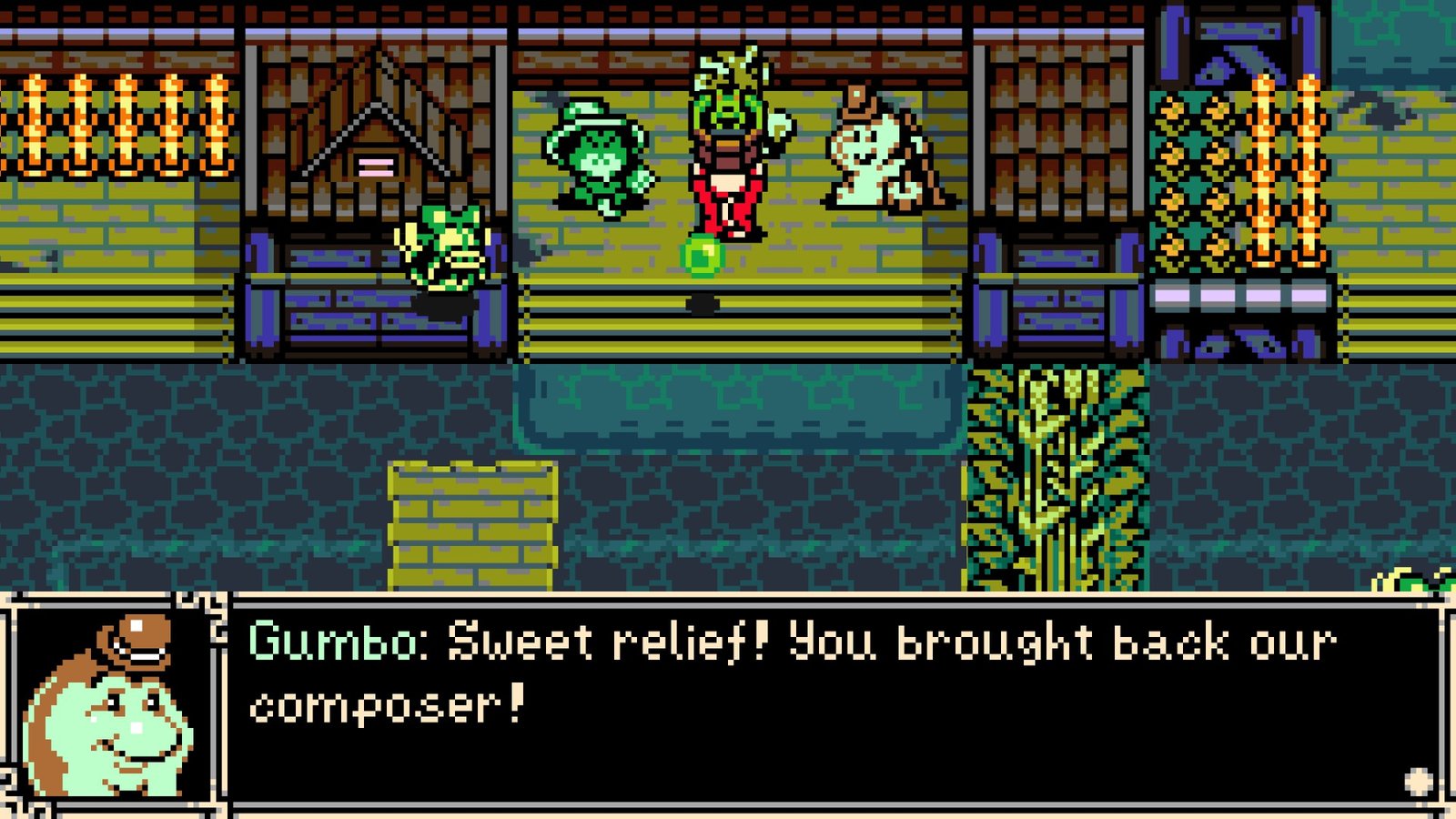
But also painfully punishing because the orb will always attach to the enemy that killed you last. Meaning there is never a way to get your stuff back from a boss short of beating them the second time around. Plus, you also have the old Dark Souls gripe of spaced-out checkpoints with little means of teleportation or taking shortcuts, at least until much later when you understand the map. This leads to annoying runbacks and frustration beyond what I, a veteran Souls player, would deem acceptable.
But that’s not where my issues start and stop, as the game also suffers from limitations of it’s retro design. As a top-down platfomer designed as a punishing game which requires precision all but ensures that you’ll never create the perfect product.
The top down platforming often feels cheap and clunky, the combat at best feels like a frantic dance where you aren’t always in control, and at worst, is attack spamming and praying you get more hits in than your counterpart.
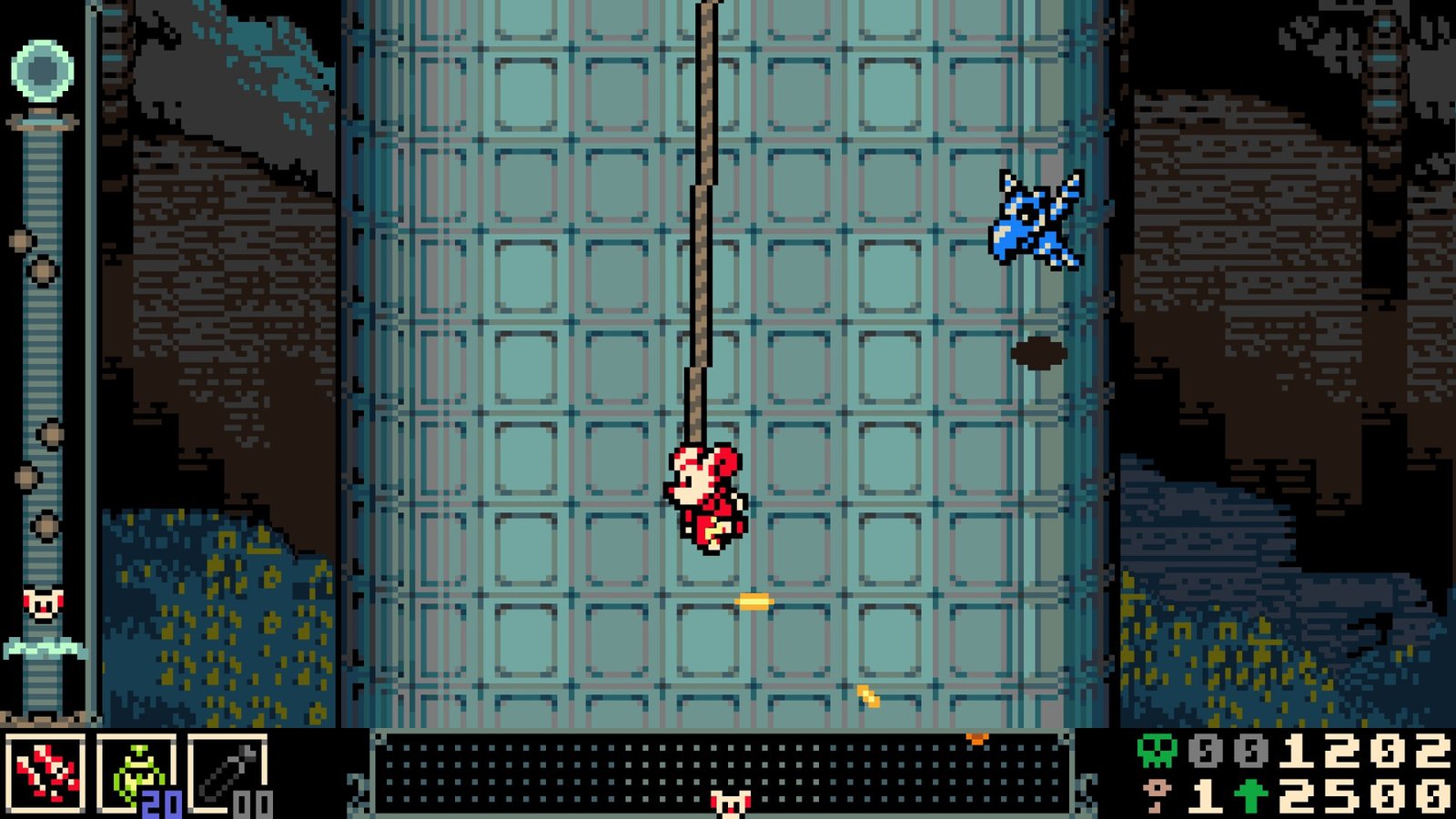
This naturally invites the ‘git gud’ discussions, and by all means, go ahead. But I feel I mastered the mechanics, got great at the platforming, and truly understand the core principles of what makes this game tick. Yet, despite that, I can’t say with confidence that I wouldn’t make the same boneheaded mistakes I did before. Because they mostly weren’t mistakes I could avoid. They were mistakes the game pressured me into through its own design.
I don’t want to take away from the fact that it’s remarkable that a game in this format can stand alongside masterful modern soulslikes and not look out of place. But, I can’t help but feel that, even though the team nailed the assignment, the inevitable problems were inescapable from the start in some cases.
Mina the Hollower is a glorious modern-meets retro affair with oodles of amazing ideas, almost all of which coming together to offer a fluid and fun experience focused on freedom. Admittedly, some of the limitations of the retro-inspired top-down 2D approach do lead to clunky, imprecise platforming and cheap deaths. But all in all, this is a glorious continuation of indie excellence from the Shovel Knight Devs.
The Good
- Amazing retro visuals and vibes
- Unique mechanics and ideas throughout
- A world that offers explorative freedom
The Bad
- Top-down format limits precision
- Some Souls mechanics don't elevate the experience
- Combat feels very one-note
