


Releasing in 2023 to strong review scores, Planet of Lana was a breath of fresh air for the puzzle platformer genre. Its distinct tone and ambience, coupled with a lack of spoken dialogue, made for a fun and unique adventure for players to enjoy. Now, almost 3 years later, developer Wishfully has brought the series back for a second outing.
I recently caught up with Planet of Lana II’s game director, Adam Stjärnljus. He explained how the sequel keeps the original’s core mechanics but adds some key new ingredients to the mix. Among other things, he also discussed how important music is to the series. This interview has been edited for clarity and brevity.
How Planet of Lana II Was Conceived
TGS: Sequels are tough to get right. When you finished the first Planet of Lana, what was the one idea or theme that made you feel a sequel was necessary?
Adam Stjärnljus: Creating Planet of Lana was a long journey that stretched over more than six years. We lived with that game for a very long time, discovering it alongside Lana and Mui as we were making it. As the project grew, the universe slowly took shape, and it became clear that the world, its history, and the story we were telling were far bigger than what could realistically fit into a single game.
That realization sparked a strong curiosity in us to continue exploring Lana and Mui’s journey, not just for players but for ourselves as creators. Around the midpoint of development on the first game, we began outlining the script for Planet of Lana II, and the excitement that sparked has stayed with us ever since. It always felt like there was more to uncover, and we’re thrilled to finally be able to share that next chapter.
TGS: Planet of Lana II expands the scale and mechanics of the original. How did you decide what to grow and what to keep minimal in order to protect the game’s tone? Or does the sequel have a different tone?
Stjärnljus: Planet of Lana II keeps very much the same tone as the first game, but it’s been allowed to grow in ways that felt natural for a sequel. There were many ideas during the development of the original that we simply didn’t have the time to explore properly, and the sequel gave us the space to return to those ideas and develop them more fully.
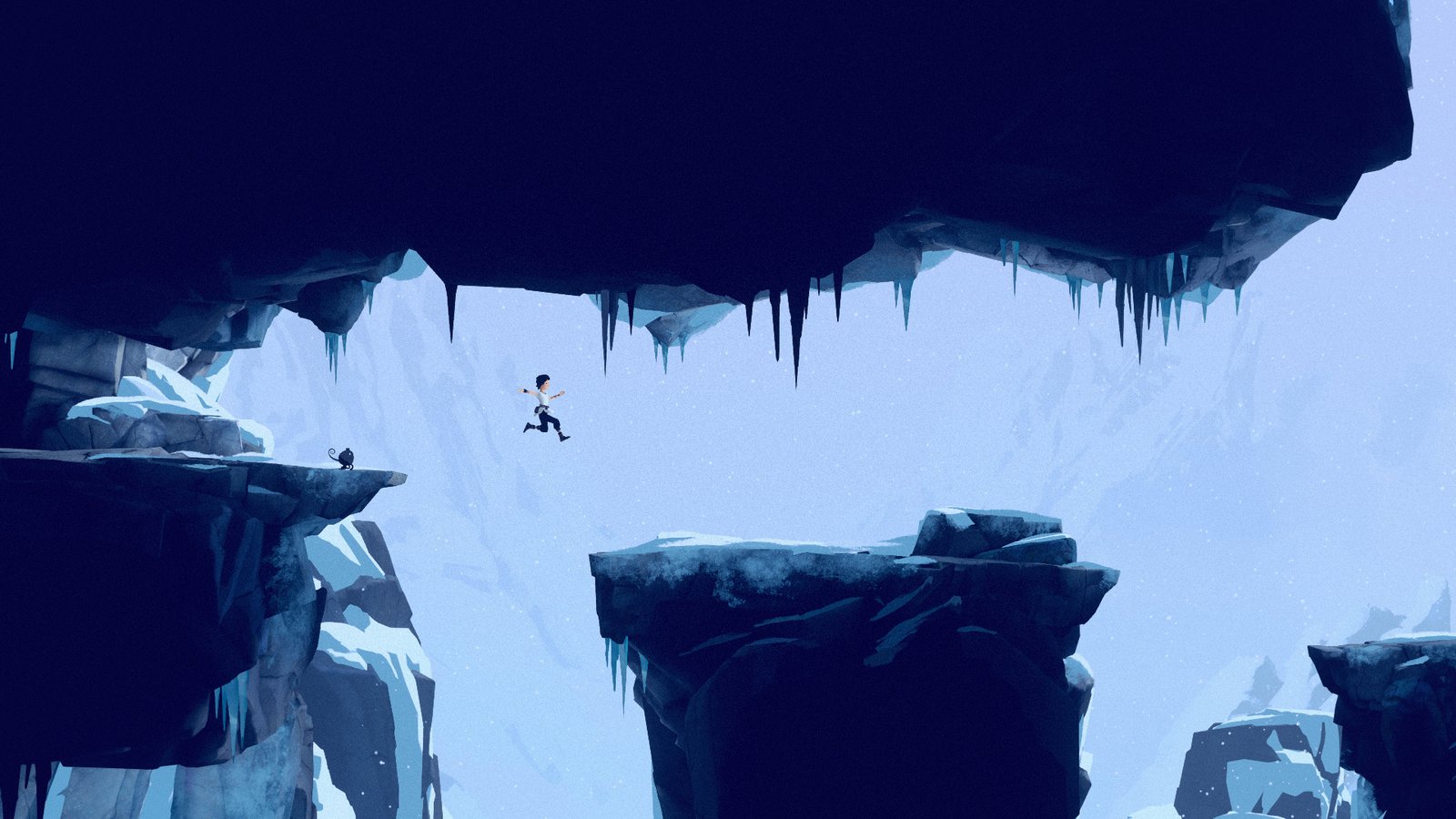
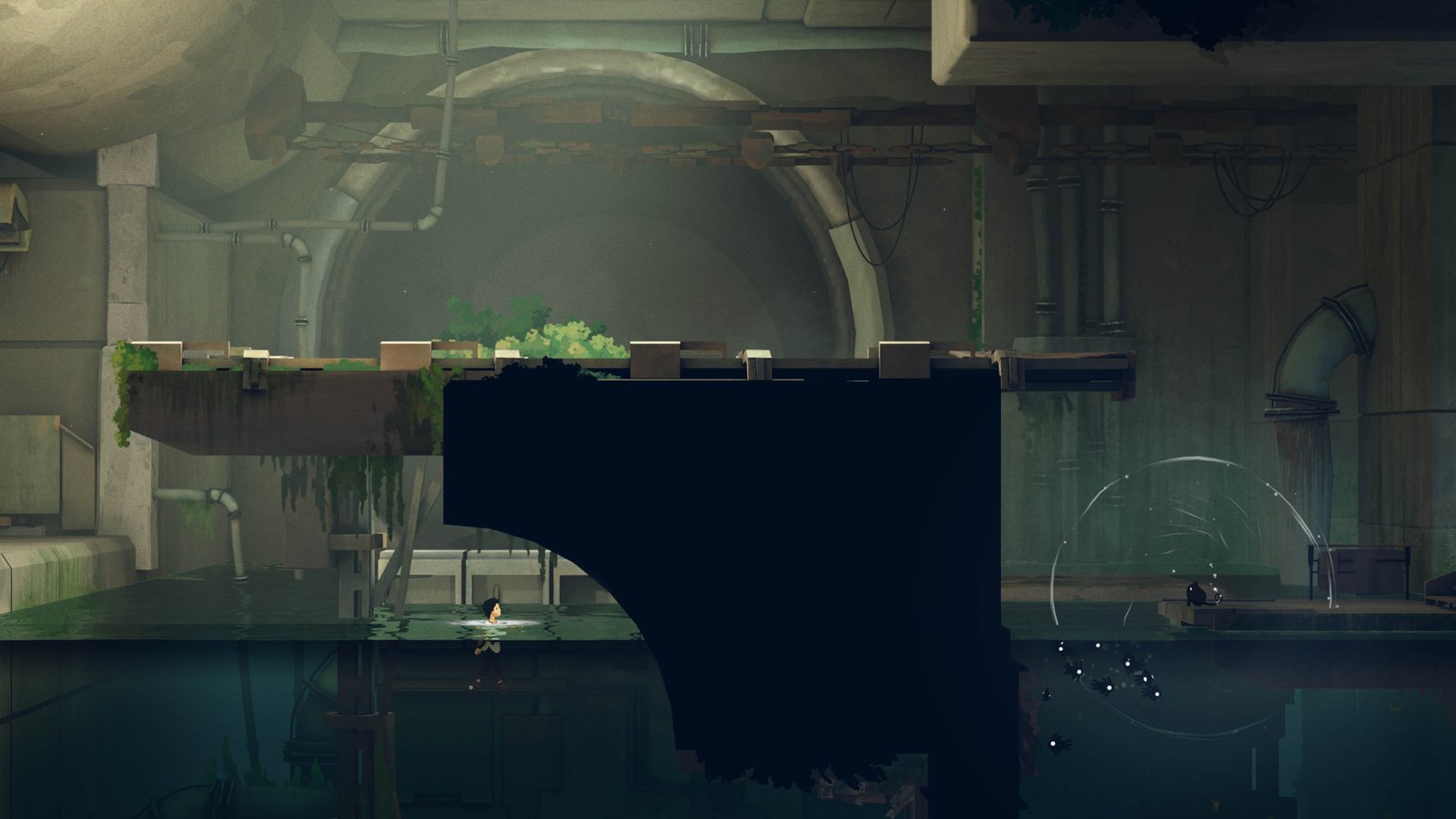
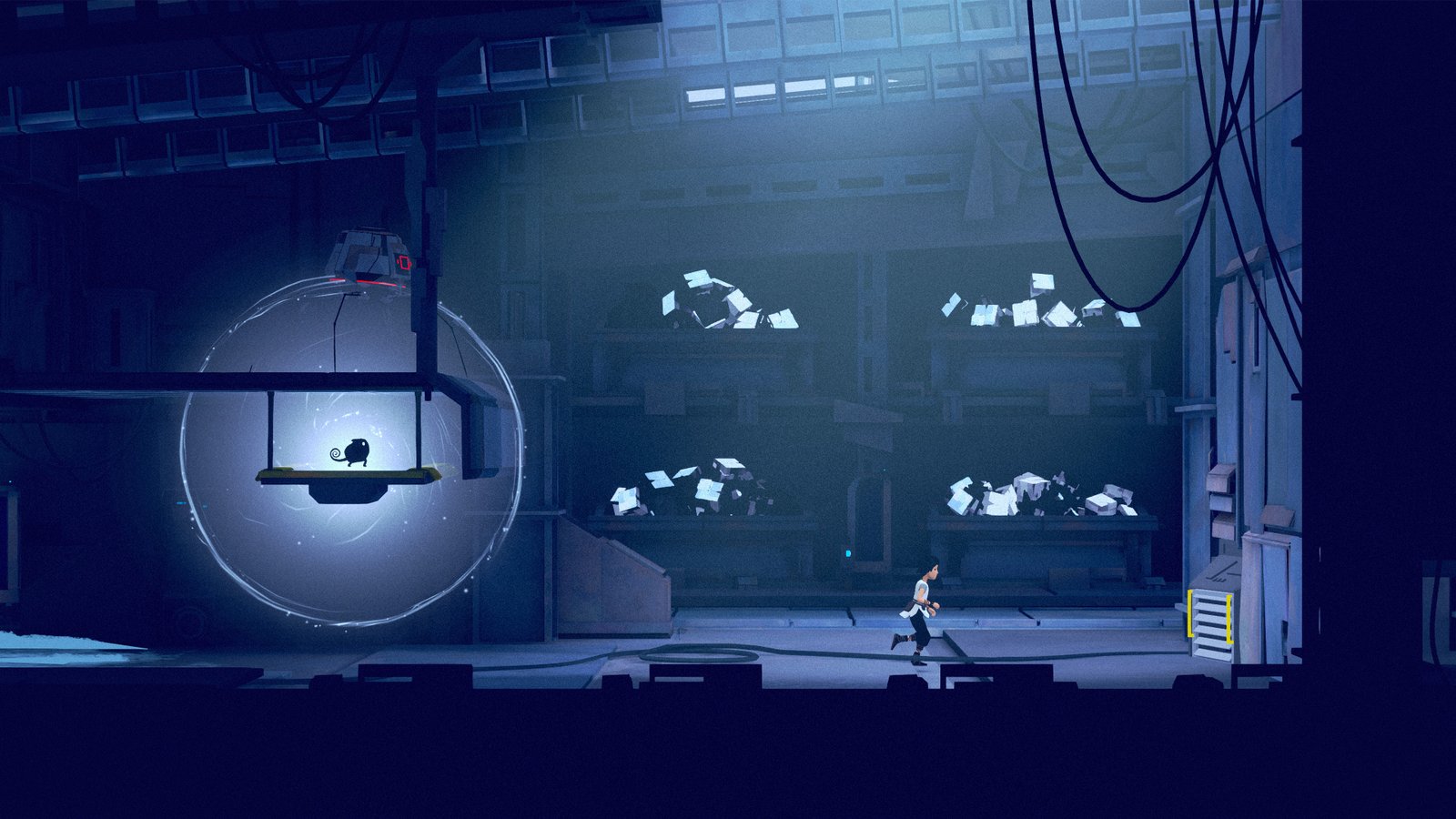
Lana is more agile now. She can move faster, slide, climb, and traverse environments wall to wall, which makes both exploration and puzzle-solving feel more fluid. Mui’s hypnotic ability has also evolved, allowing her to take control of different creatures the duo encounters and using them to her advantage. She’s also able to jam robots and machinery, temporarily disabling them to open up new paths and solutions.
All of this feels grounded in the characters themselves. Lana and Mui are older and more experienced after their first journey together, and the expanded mechanics are a reflection of that.
How Planet of Lana II Uses the Lack of Dialogue to its Advantage
TGS: The series pulls off the tough task of telling an emotional story with very little spoken language. What are the biggest challenges of communicating complex themes purely through visuals, sound, and player interaction?
Stjärnljus: There are a lot of challenges that come with this approach, but it’s also pushed us very firmly into a show-don’t-tell mindset, which has been a positive constraint. The story in the sequel is more complex, with more characters and more moving parts, so clarity through visuals became even more important. We were fortunate to have an expanded animation team this time, led by our Animation Director Olle Engström. The whole animation team has done an incredible job of conveying emotion through body language, timing, and small details in performance. Music and sound design also carry a huge part of the storytelling and help shape how moments are felt rather than explained.
By removing the layer of clearly understandable dialogue and subtitles, we create a space where players have to be present and attentive instead of relying on exposition to guide them. That level of engagement leads to a deeper sense of immersion, but it also means different players will take different things away from the story, and that’s something we’re very ok with. Players who pay closer attention will uncover more of the lore and backstory, and this time around there are also more answers to be found than in the first game.
Exploring Lana and Mui’s Bond in Planet of Lana II
TGS: The bond between Lana and Mui is central to the experience. How has that relationship evolved, both mechanically and emotionally, in the sequel?
Stjärnljus: After the events of the first game, some time has passed, and the experience has clearly left a mark on both of them. Lana has grown older and more driven, increasingly focused on uncovering the history of Novo and understanding where her people come from. That curiosity has turned into something closer to obsession, and with it she’s become more reckless in her search for answers. Mui, on the other hand, feels a deep sense of responsibility to protect her. Their bond is stronger than ever, but that strength also creates tension, especially as Mui begins to sense that Lana may be pushing herself too far. Mui also carries secrets of her own, and over the course of the journey their relationship is tested in ways it never was before.
Mechanically, Lana now can point Mui all across the screen, allowing for better collaboration and bigger puzzles. Together with Mui’s new abilities it just feels so natural and really is an evolution reflected in their growing bond.
TGS: There appears to be more tension and stealth in Planet of Lana II. Was there a point in development where you realised the sequel needed to feel more dangerous or intense? Or was this just a natural evolution?
Stjärnljus: There’s very much the same balance of tension, stealth, cozy puzzle-solving, and serene cinematic moments that defined the first Planet of Lana. That mix is important to us. Varying the pace allows the more intense sequences to land with greater impact, rather than feeling constant or overwhelming.
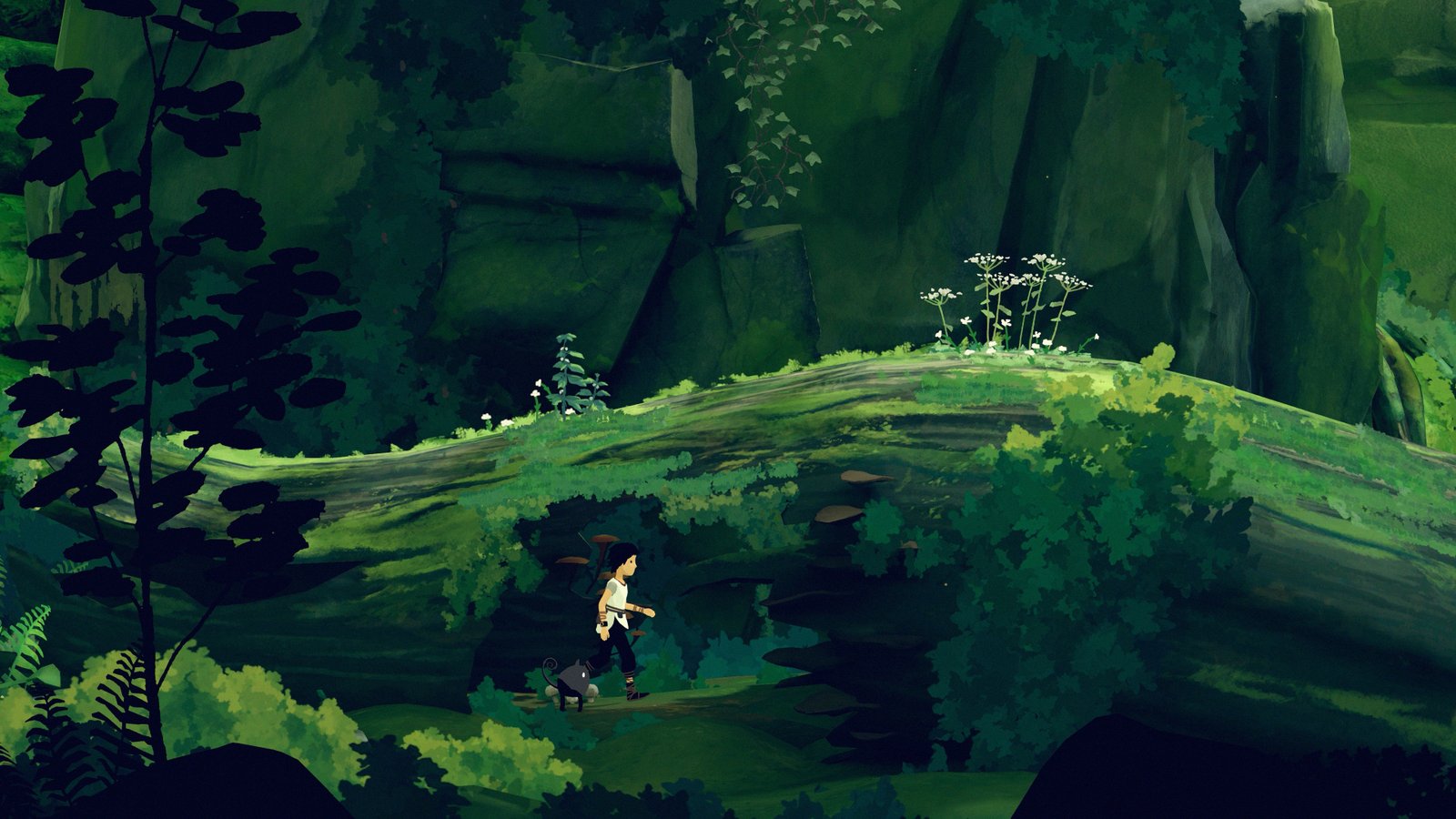
At the same time, it’s just as important to create space for stillness. Being able to slow down, listen to the sounds of the forest, and simply take in the beauty of the planet is a core part of the experience. Those quieter moments help ground the world and give meaning to everything that follows.
The World of Novo is Central to Planet of Lana II’s Narrative
TGS: Novo feels like a living world rather than just a backdrop. How central is it to the game’s narrative?
Stjärnljus: From the start it’s been so important to bring the world of Novo to life and it’s very central to the narrative in the sense that it’s Lana’s and Mui’s home. It needs to feel like a planet worth saving. And in this sequel we’ve had a bigger team of artists that has just excelled in adding those small details that make all the difference; creatures, plants, insects, trees etc. It’s all so important to immerse the player in this world and to bring it to life.
TGS: What emotion do you most want players to feel when they reach the end of Planet of Lana II, and how did you work towards making sure that happens?
Stjärnljus: That would be too big of a spoiler to tell 🙂 But we hope that when the credits roll you will have experienced a journey that you will bring with you for a long time.
The Role of Music in Planet of Lana II
TGS: Music plays a huge role in the series’ atmosphere. How early does the score come into the development process, and has it ever changed the way a scene or sequence was designed?
Stjärnljus: Planet of Lana wouldn’t be what it is without Takeshi Furukawa. His music elevated the storytelling, the world, and the cinematic moments far beyond what we initially imagined when we started on the first game. We’re incredibly grateful to be working with him again on the sequel.
The score was recorded in Budapest with a full orchestra and choir, and it’s been such a special experience hearing the music come to life at that scale. We’re so excited for players to finally experience it in the final game.
Takeshi joined the project as soon as development began in 2023 and when we had a first draft of the script. Throughout production, we’ve shared scenes with him at all stages of completion, from very rough blockouts to fully detailed environments, as well as cutscenes and key story moments. He responds with music that almost always immediately feels right, which also is a result of us working together now for such a long time.
The music has never fundamentally changed scenes in a structural way, but it has often influenced how we approach them visually, encouraging us to lean more fully into a certain mood or atmosphere. In most cases though, the narrative intent and direction of a scene are already defined when he begins composing, but the music adds a layer that helps everything fall into place.
TGS: Looking back at feedback from the first game, was there anything that genuinely surprised you or influenced the sequel? Did it add extra pressure to the development team in any way?
Stjärnljus: All the love we’ve got for the first game meant a great deal to us, and it really felt like there were a lot of people rooting for the team. That support was incredibly motivating, but it also came with a certain pressure to make sure the sequel truly earned its place. From the start, the goal was to preserve the soul of Planet of Lana while expanding the mechanics in ways that made the experience more engaging, more varied, and more challenging in the right places.
Feedback played a role, but we were careful not to follow it too literally. We read everything, took time to reflect on it, and then made decisions based on what felt right for the game we were trying to make. At the end of the day, we’re driven by creating the kind of game we want to play ourselves. Reaching a point where we can honestly say we achieved that is something we’re very proud of.
What Planet of Lana II Means to Wishfully
TGS: How has making Planet of Lana II changed you as developers, especially when compared to when you made the original?
Stjärnljus: Planet of Lana was the first game we ever made, and that meant there was an enormous amount of learning happening all at once. We were figuring out how to make the game itself, but also how to grow, manage, and support a team and a studio at the same time. It was intense, but it shaped us in important ways.
Since then, we’ve grown together as a team and matured both creatively and practically. We have a much clearer understanding of our process, our strengths, and what kind of work we want to make. And we believe that is reflected in the quality of Planet of Lana II.
[End of Interview]
Those eager to get their hands on Planet of Lana II don’t have long to wait. It will launch on March 5th for PC, Xbox Series X|S, Xbox Game Pass, PS4, PS5, Nintendo Switch, and Nintendo Switch 2.
