


The We Were Here series is a fairly popular series of games that centers around working cooperatively with another player while solving puzzles. These puzzles are mostly cerebral by nature and require greater communication skills to solve.
The newest entry, We Were Here Tomorrow, seeks to enhance the formula by including some new kind of gameplay. This game aims to change the core gameplay of the series and provide a deeper and more engaging gameplay loop.
I got to sit down and play through the entire demo at PAX East with the help of the Creative Director, Martin Mittner. He was delightful and incredibly helpful as we played around with some of the new tools.
What is We Were Here Tomorrow?
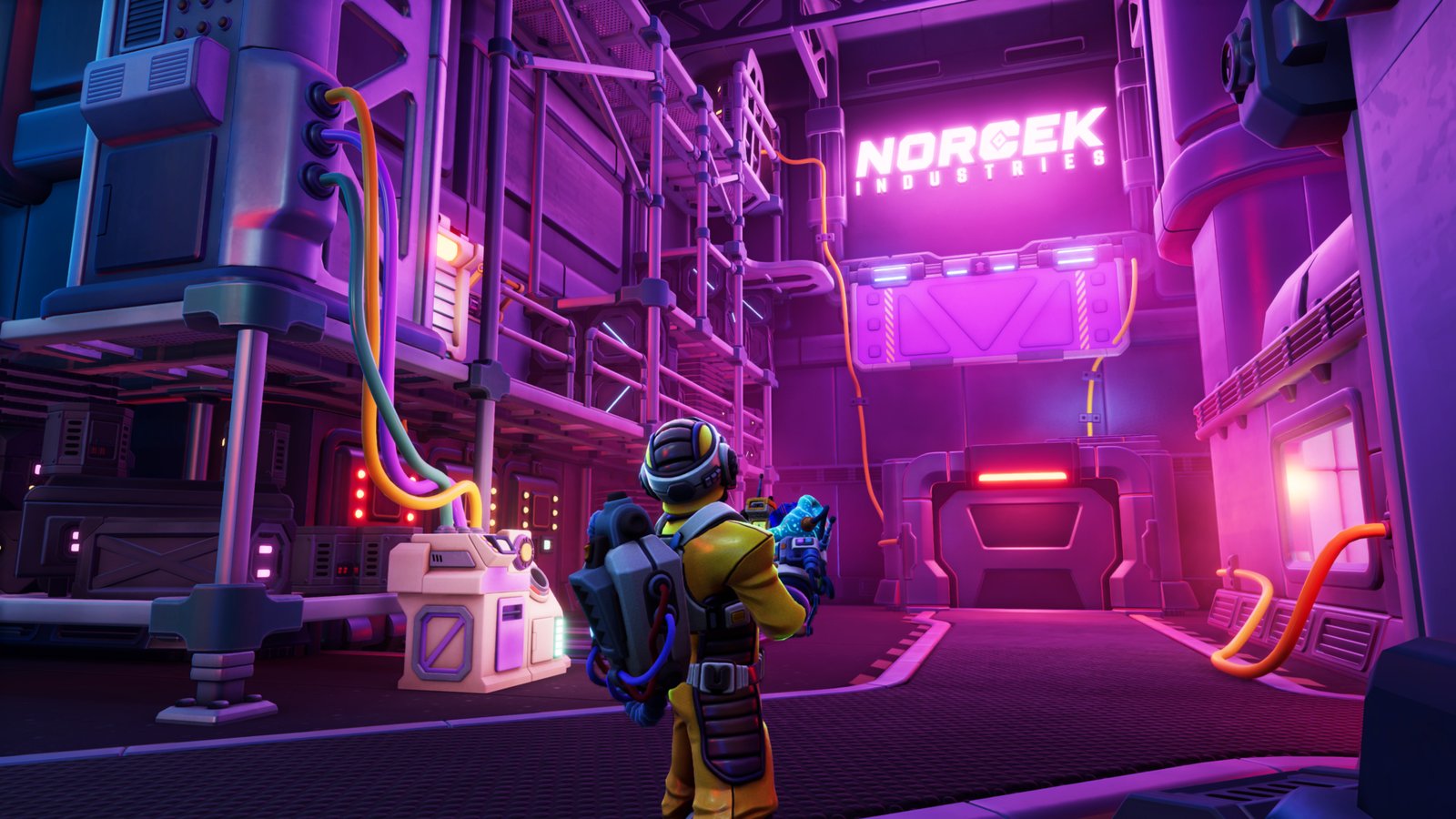
Much like the other games in the series, We Were Here Tomorrow is an asymmetric first-person co-op game that focuses on solving puzzles and uncovering a story hidden beneath the surface. These puzzles mostly require communication and wit to complete.
With the new futuristic addition to the series, these puzzles are evolving beyond simple communication and timing. In We Were Here Tomorrow, there are two tools that players can choose from when they start their game: the Goo Gun and the Grabber.
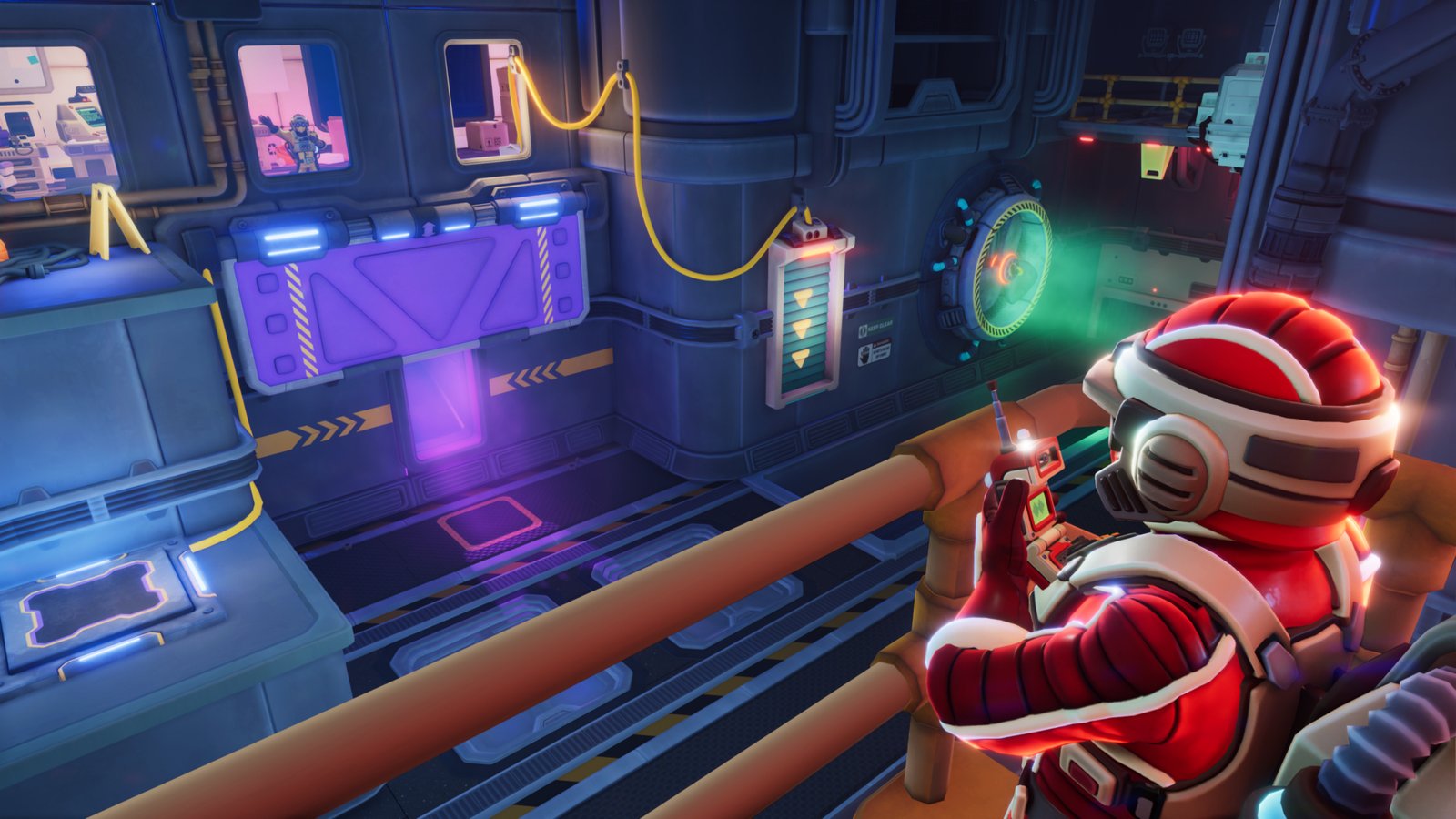
These tools have a lot of uses; although using them to mess with your partner can be a lot of fun, they’ll mostly be used to solve puzzles. The Goo Gun can create a block of goo to either weigh things down, gunk something up, or give you a boost to a higher ledge. The Grabber can reach pullies that are far away or tug on objects that may otherwise not be reachable.
Seems simple enough, right? What’s really interesting is that this means you’ll need to coordinate based on the tool you have, rather than simply finding a path and traveling down it. You’ll need to backtrack a good bit since you’ll often miss things specific to one of the tools.
Also Read: My Arms Are Longer Now Preview – A Silly & Highly Intriguing Puzzle Game
A Great Improvement on the Formula
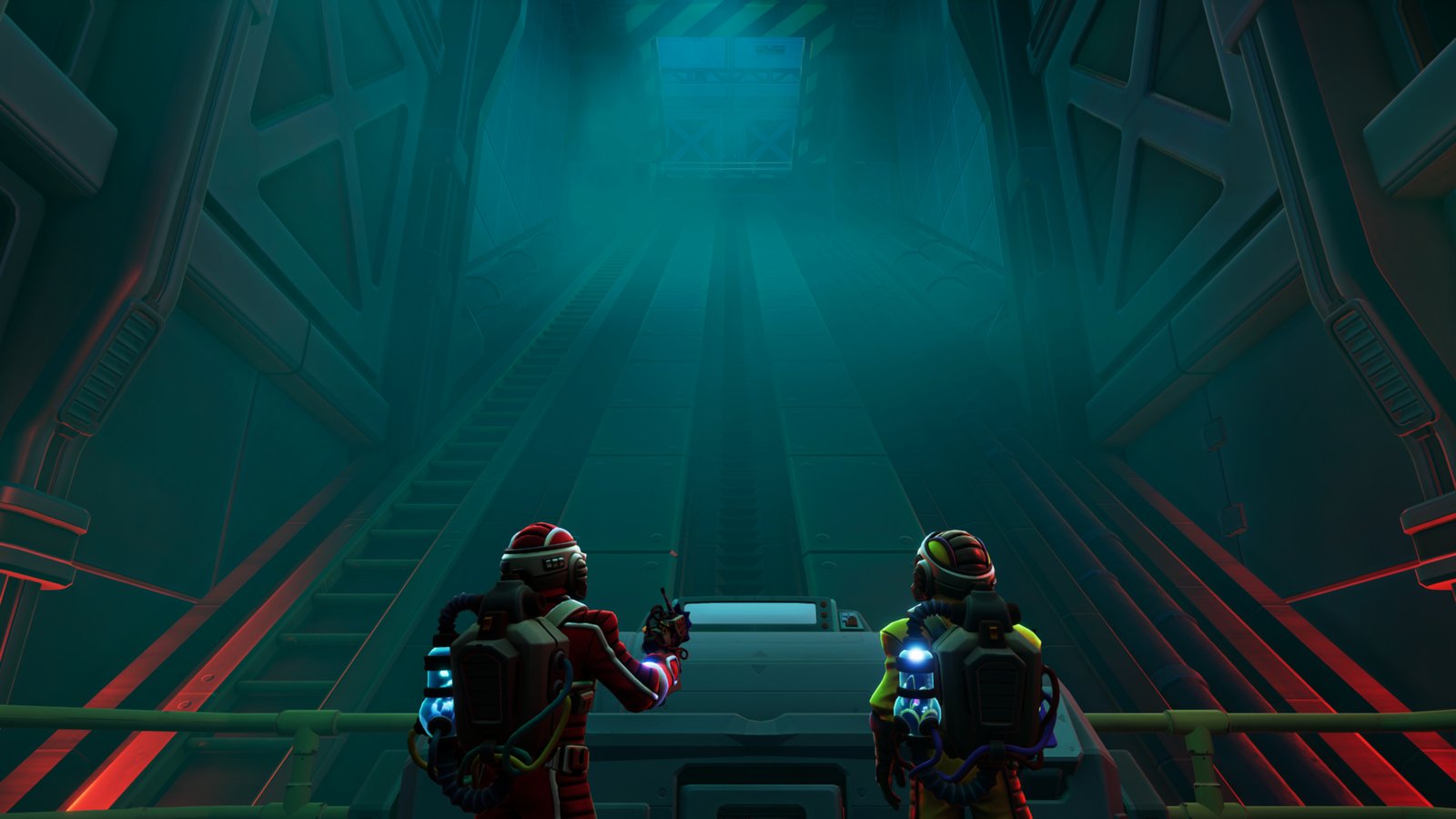
Co-op puzzle games are often difficult to get more innovative with because you don’t want to have one partner left out while the other does something more engaging. With both players having unique weapons and some solid puzzle design, this isn’t a big problem.
I’ve played a couple of games in the series before, so I sort of knew what to expect, but the futuristic vibe, along with the tools, threw me for a loop. It’s still similar to the rest of the series, but it’s significantly more engaging.
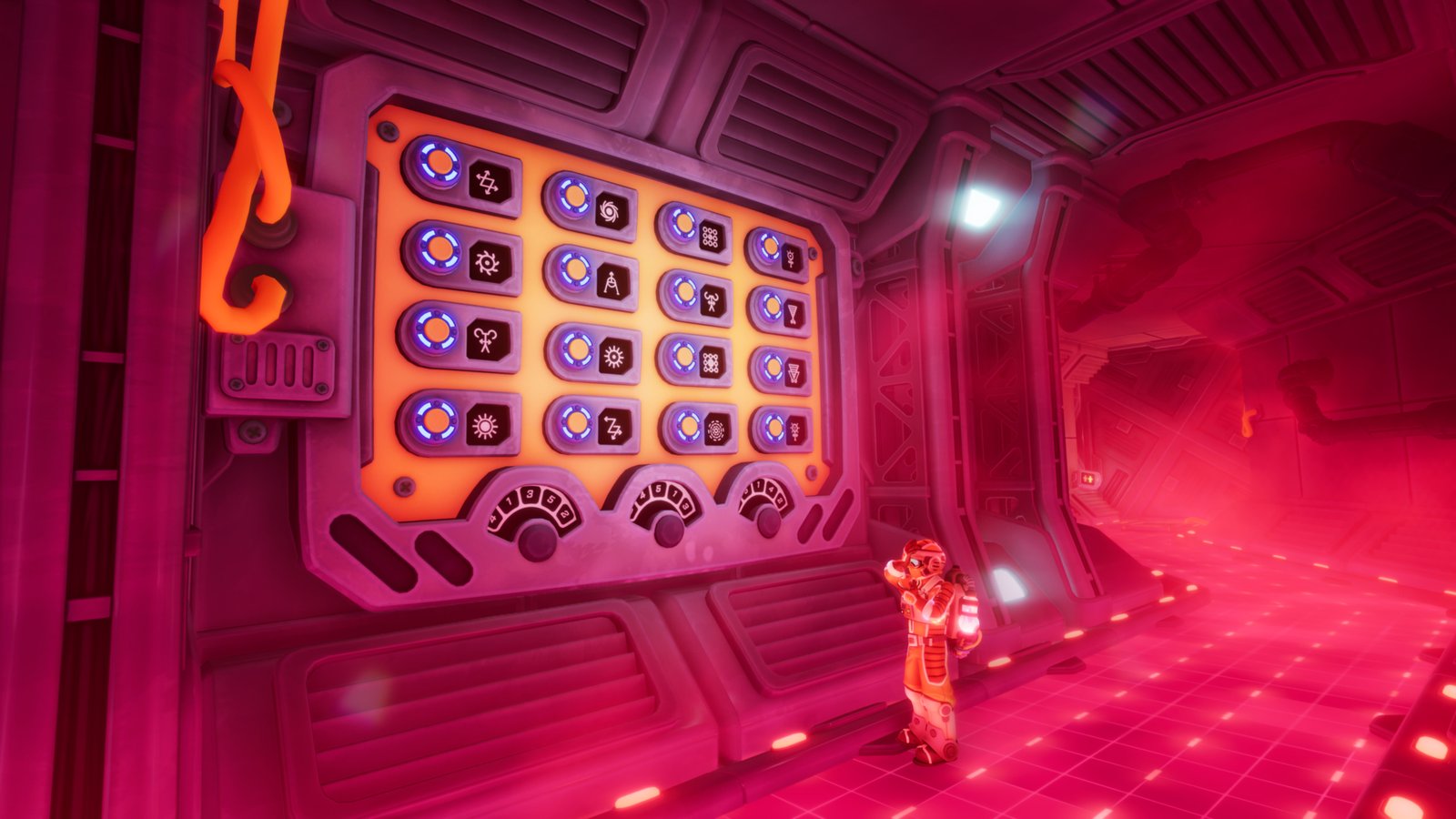
I got to use the Goo Gun, which was very cool design-wise, and with all of the uses it has, you really had to scratch your head to figure out exactly what you were going to do with it. The Grabber was in the same sort of boat, given how many things you could grab with it.
The puzzles didn’t feel overly complicated and utilized both tools well, but don’t worry, there’s still that traditional communication puzzle feeling that the series is known for. Everything felt very cohesive, even with the new tools, and it still felt like We Were Here.
All in all, I really enjoyed my time with the game. It didn’t feel overly complex and still felt like the original games, but had some new and improved game design to spice things up. Visually, the designs of everything were also phenomenal.
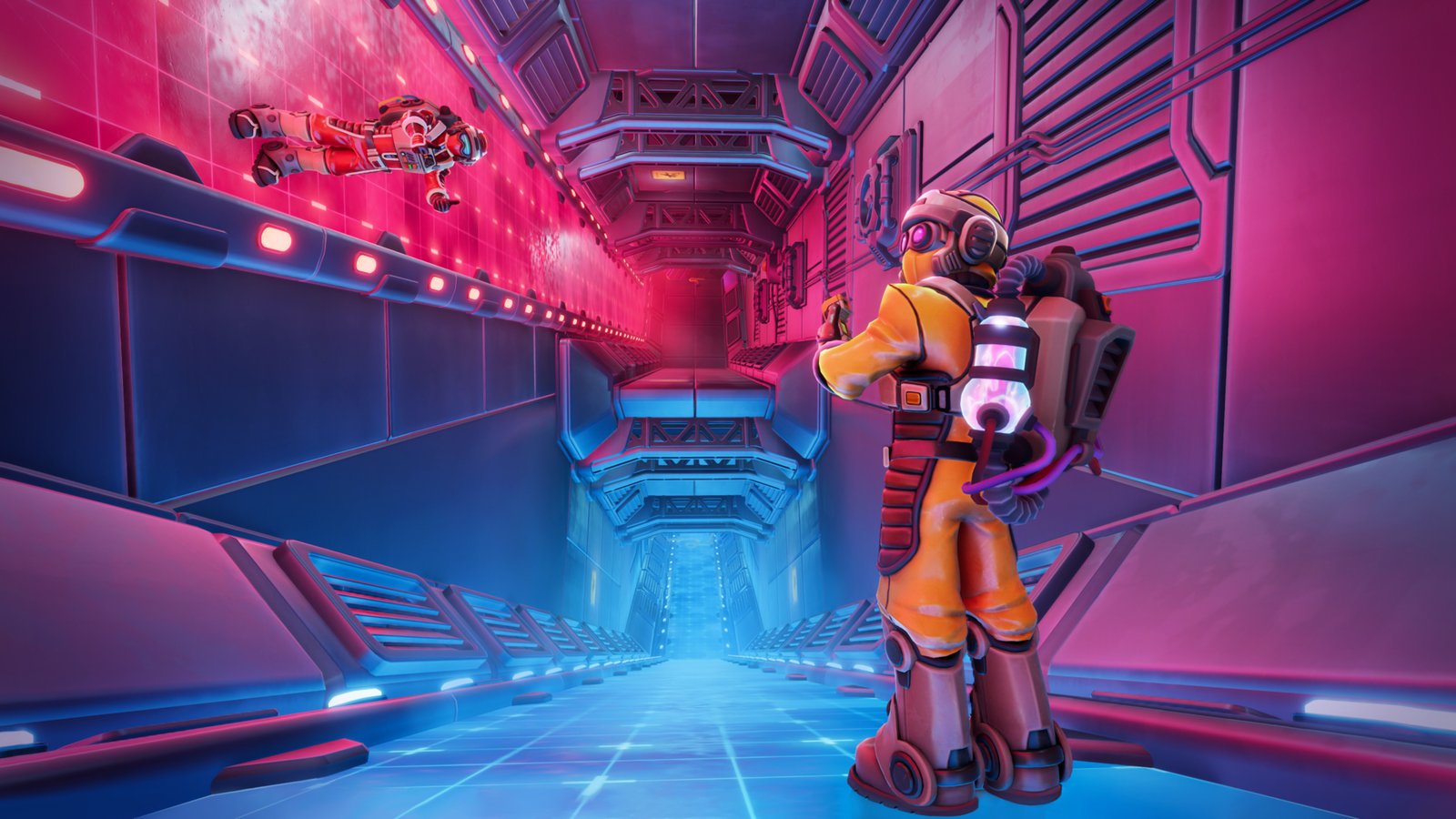
Both of the weapons seem to be experimental and unfinished, along with the futuristic facility you’re inside that seems to be falling apart. Everything in the game, from the design to the visuals, fit and made me want to play more, to uncover more of whatever was happening here.
If you’re a fan of the series or looking to get something to play with a friend, I can’t recommend this game enough. It’s fun, it’s a little silly, but most importantly, it’s a great game that’s well worth your time. It’s also a direct sequel to We Were Here Expeditions: The Friendship, so you might want to start with that one, although it’s definitely not a requirement.
