


Owning a PlayStation 2 back in the day felt like I had finally unlocked the future of video games. My video game fandom was exploding in the late 1990s, and the PS2 was an extremely important next step for me. I needed that console like I needed oxygen.
One of the reasons I wanted one as badly as I did was for its increasingly excellent library of games. Over the first year of the system, this console was the home to many games that would quality among the absolute greats today.
That’s especially true when it comes to the numerous stealth games that emerged from the shadows on the PS2. This console was a gold mine for great stealth titles, and would set the stage for so many amazing games in the genre moving forward.
It also was able to support both new and established franchises. New IPs were born, while legacy franchises saw some of their most celebrated games make their mark.
8
Manhunt
The Director Will See You Now
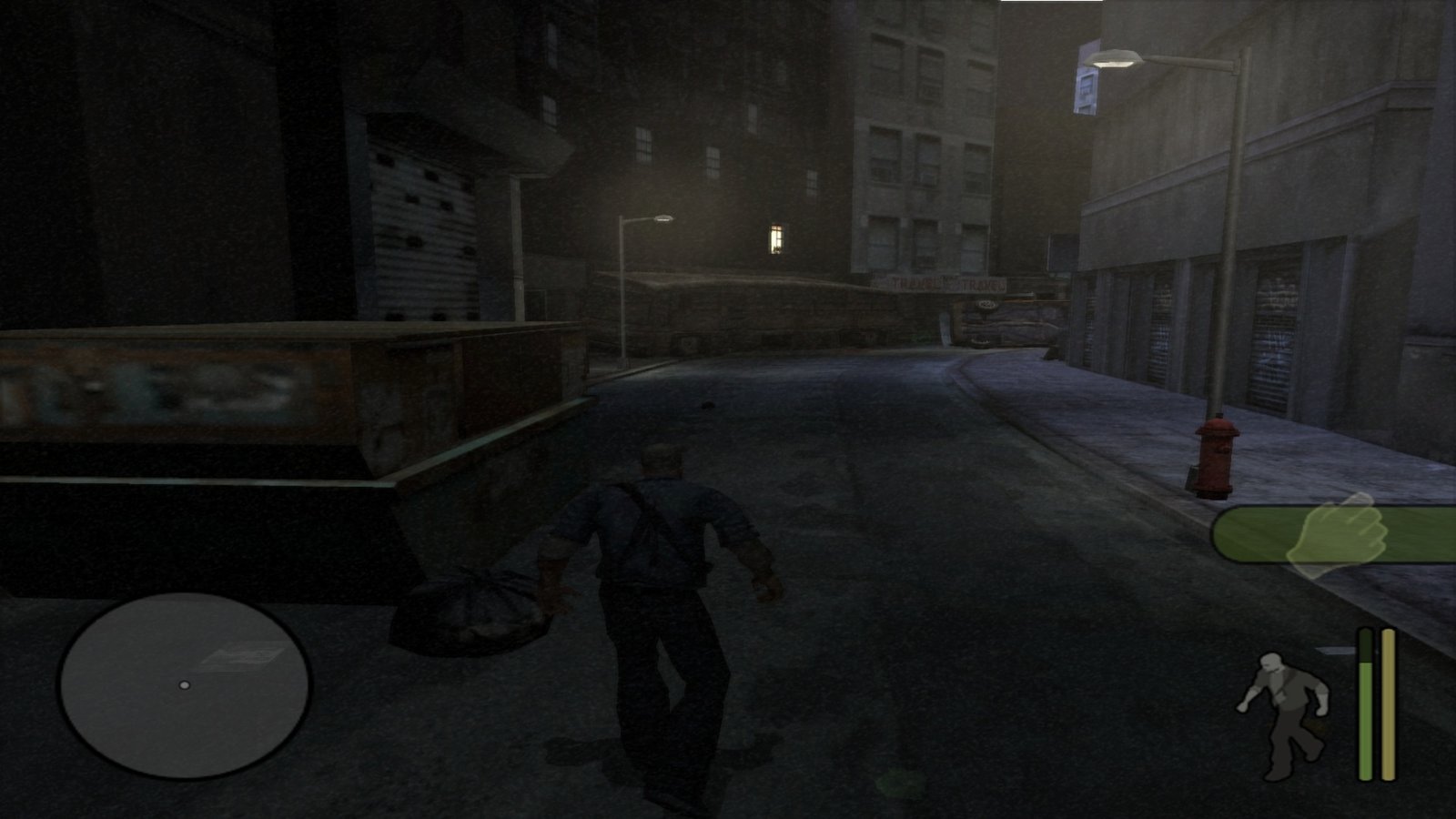
It’s hard to imagine anyone, let alone even Rockstar themselves, making a game like Manhunt now. It honestly came out at the perfect time, for the perfect generation and audience. If you were lucky enough to play Manhunt back in the day, chances are you had a very visceral reaction to it, be that negative or positive.
Manhunt is a dark, delightfully twisted examination of justice systems and prisons. Like most Rockstar games, it does that with the subtlety of a sledgehammer, but it’s all very entertaining in the most frightening way.
Sneaking around the maps, using its Thief-inspired detection systems, is an exercise in terror. There is so much innate tension and the vibes are so sinister. I still haven’t played a game since that has this level of dark aura emanating off it, and it is well overdue for a return of some kind.
7
Sly 2: Band of Thieves
No Honor Among Thieves
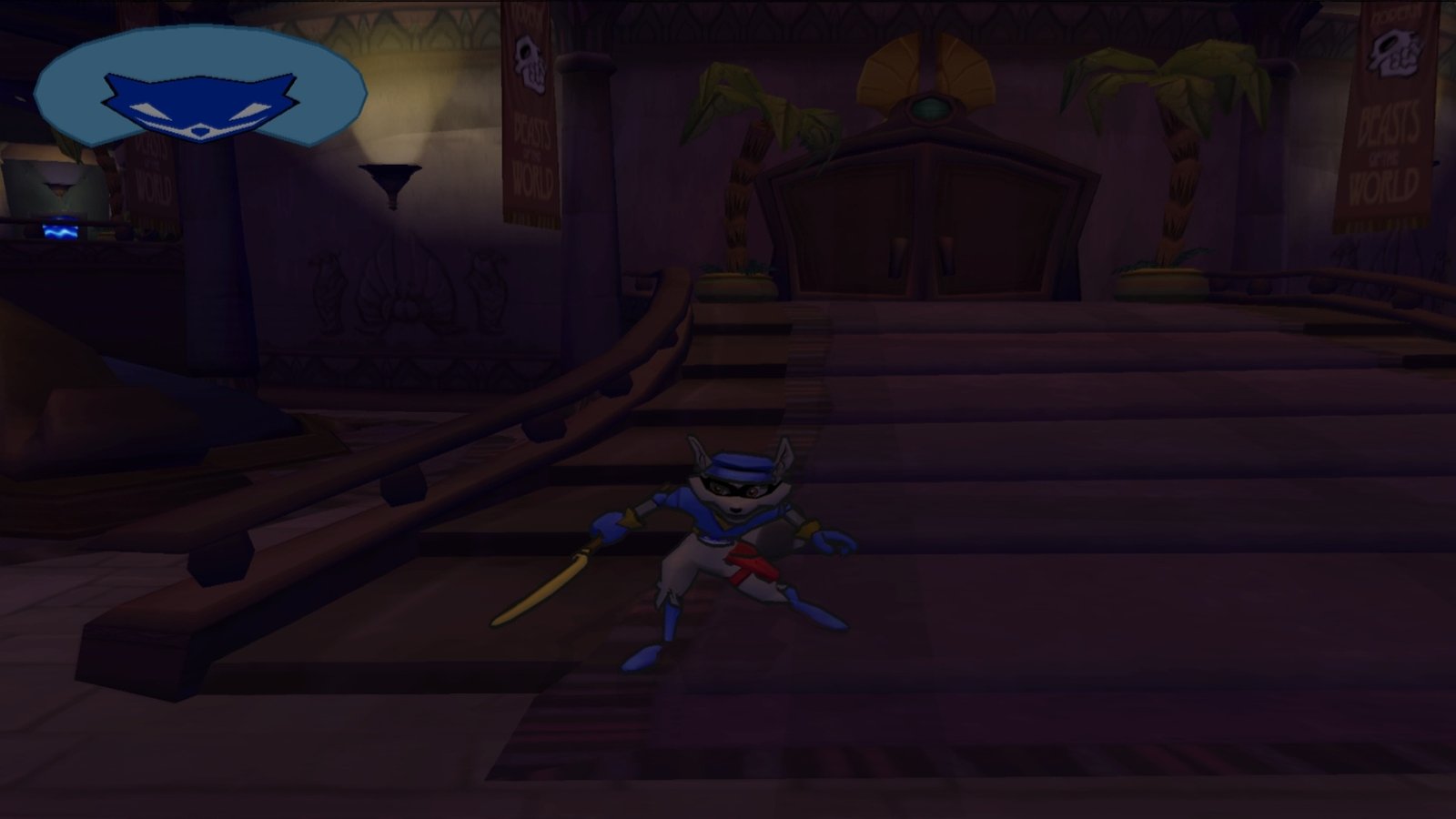
The first Sly Cooper game was one that my father brought home to me because he thought I might enjoy it based on what games we played together. We played through the whole thing together, then began eagerly anticipating the sequel. Because of that, the Sly series has a strong emotional hold on me.
Sly 2: Band of Thieves would come out just two years later, and as far as sequels go, it passed every possible test you could think of. It was smarter, funnier and improved on the stealth gameplay in the first Sly tremendously.
What really works about Sly 2 is the variety between the different characters. Sly plays as expected from the first game, but the improvements to the engine really makes everything feel far smoother.
Bentley and Murray, on the other hand, add some unique gameplay systems that make them feel unique to Sly. It really feels like the series is starting to refine its identity immensely here, and that would carry on well into the next iterations.
6
Tenchu: Wrath of Heaven
Peak Ninja Gaming
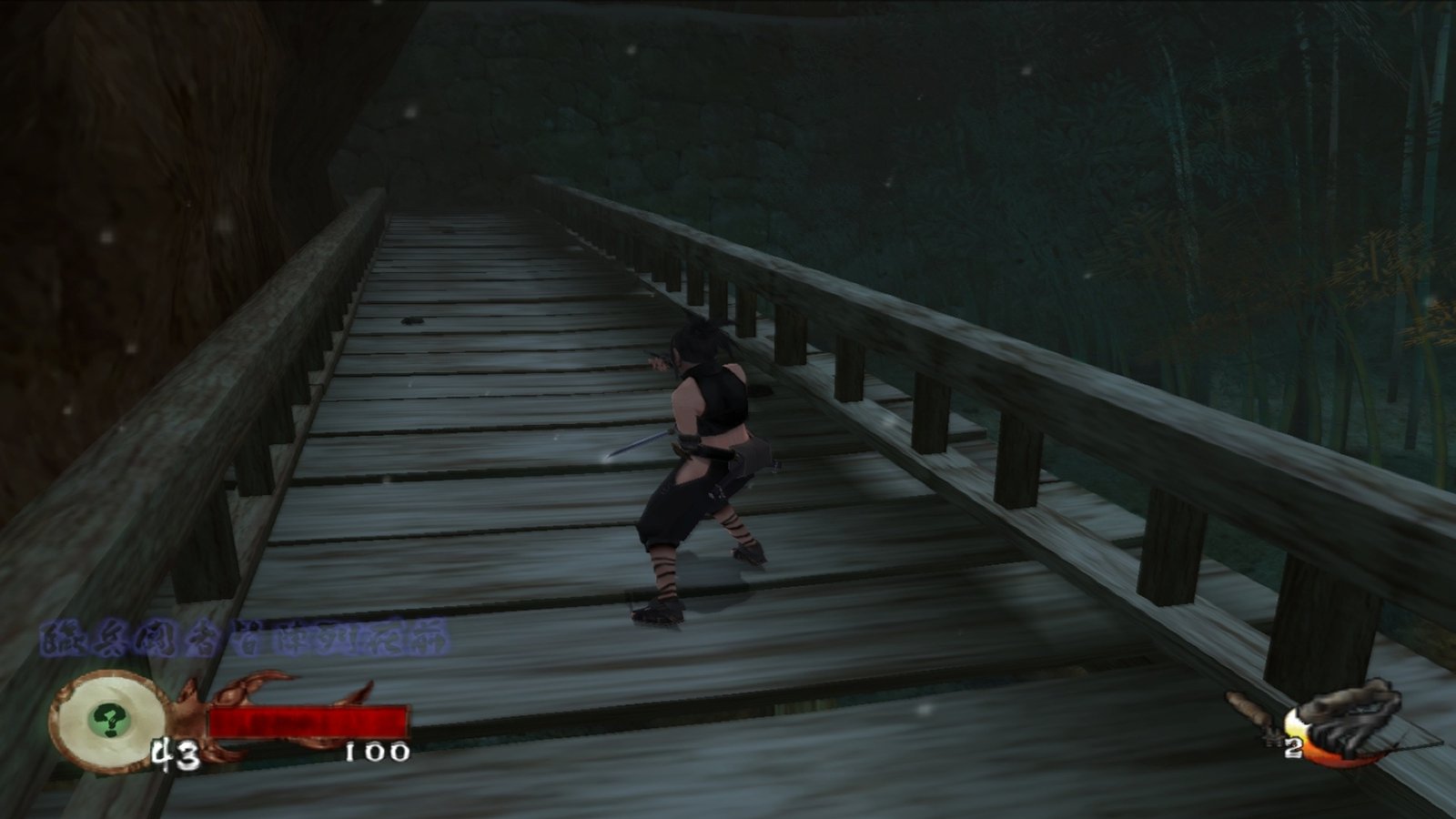
These days, we don’t hear much from Tenchu. And if I’m being honest, the lack of anything Tenchu seems like an abject disaster. The public is begging for great ninja games, and there hasn’t been a good one in a long time.
They really dominated the early 2000s, and Tenchu: Wrath of Heaven was at the forefront of that vanguard of titles alongside Ninja Gaiden and Shinobi. So many great PS1-era games were getting next-gen upgrades on the PS2, and the Tenchu series hit an absolute homerun with Wrath of Heaven.
It still has the familiar, ominous energy that the PS1 games had. Missions are punctuated with subtle, evocative music and ambient sound design as you sneak around. It introduces some key new gadgets and features, including a new playable character named Tesshu.
Not many games capture the intimate tension of sneaking around like Tenchu does. Wrath of Heaven’s improved lighting and weather systems add so much, and the atmosphere it creates is simply sublime.
5
Tom Clancy’s Splinter Cell: Chaos Theory
Let Chaos Reign
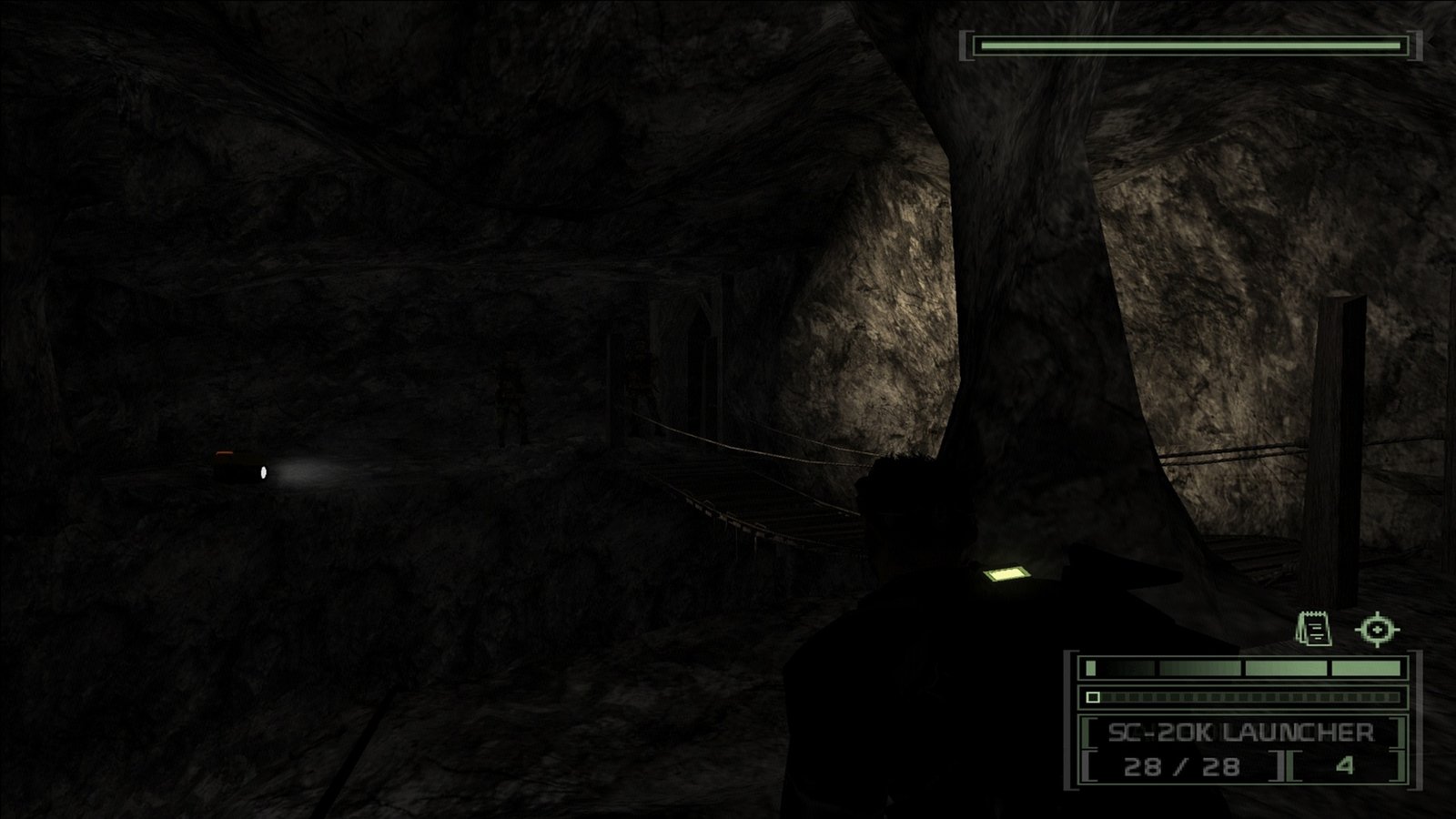
There may not be a series that evolved and improved as swiftly as Splinter Cell. The original game was a revelation for the stealth genre, but the 2005 release of Tom Clancy’s Splinter Cell: Chaos Theory saw the franchise’s biggest, most impressive leap in terms of graphics and gameplay systems.
Chaos Theory took the PS2 to its limit. The amount of fine detail and world building that this talented team was able to fit into this hardware. That extended even further to Chaos Theory’s even more impressive stealth systems.
The most noticeable improvement in Chaos Theory comes from the enemy guards. There is so much unique subtlety to the way they move, seemingly reacting and adapting to things that feel so human. They will pivot on a dime the way a real person does, reacting to the way the player moves so naturally.
Sam Fisher’s new abilities are also simply fabulous. The combat knife is so much fun to use, and the sound meter really lets you fine-tune your approach to each mission. As far as stealth games go, Chaos Theory ranks among the greatest to ever do it.
4
Mission: Impossible – Operation Surma
This Entry Will Self-Destruct
Despite its origins as a cult-classic television show from the 1960s, the Mission: Impossible franchise has really found its wings in the world of film and video games. Tom Cruise has really elevated the IP into something global, and his expansion of the franchise has thankfully resulted in some excellent video games.
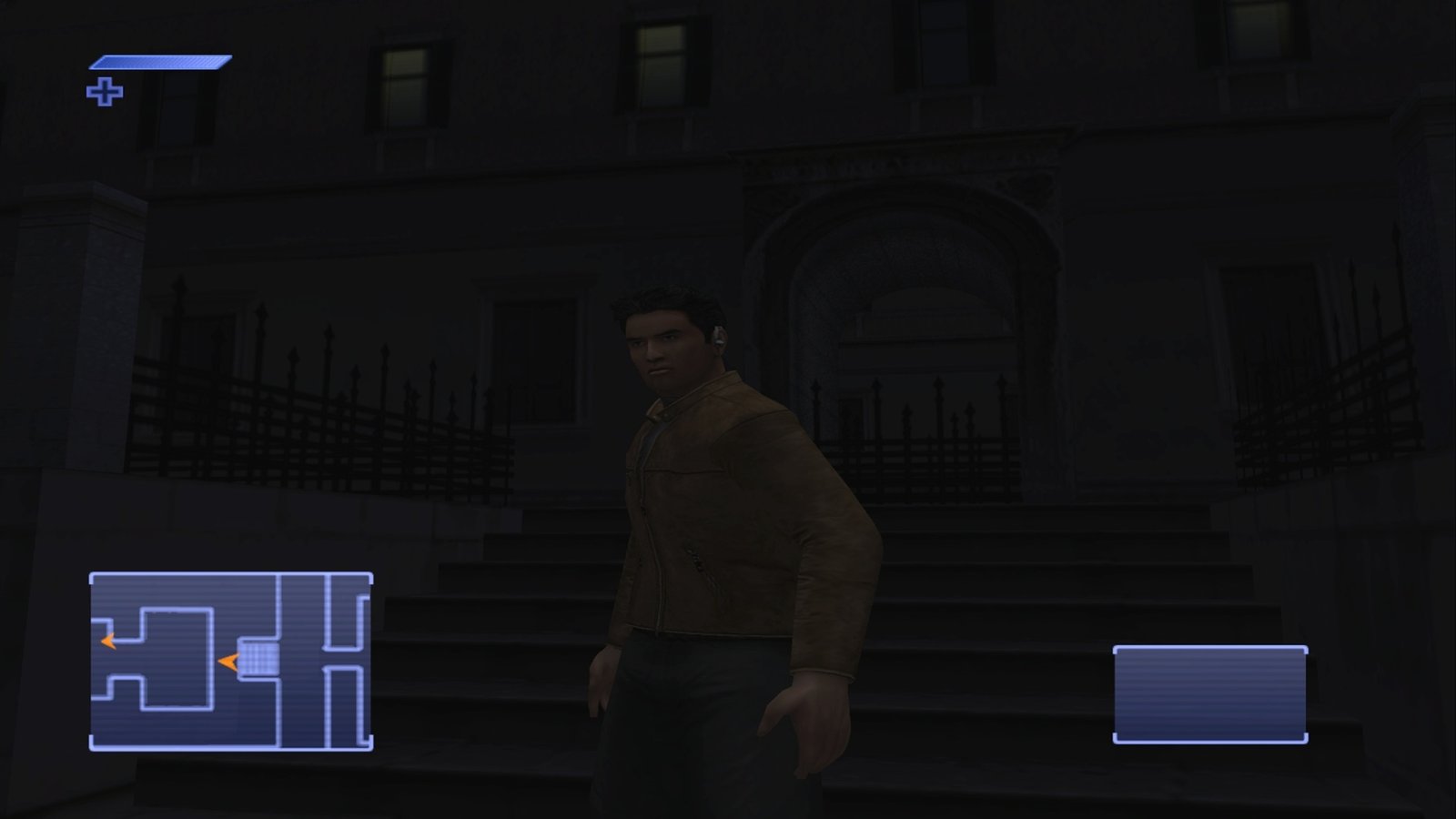
Mission: Impossible – Operation Surma, despite not having Cruise appear to voice or do motion capture for Ethan Hunt, is one of the console’s most overlooked stealth adventures. What it really does to great effect is capture the team aspect that the early M:I movies didn’t really lean into, and even includes the voices of Ving Rhames as Luther.
The environments are so intricately designed, with large, expansive places to hide and sneak through. There’s also a nice element of variety to each mission, as you’ll go from full on stealth to some iconic M:I gadgets like the hyper-realistic disguises. It really feels like a lost Mission: Impossible film brought to life in video game form.
3
Operation: WinBack
The Metal Gear Killer
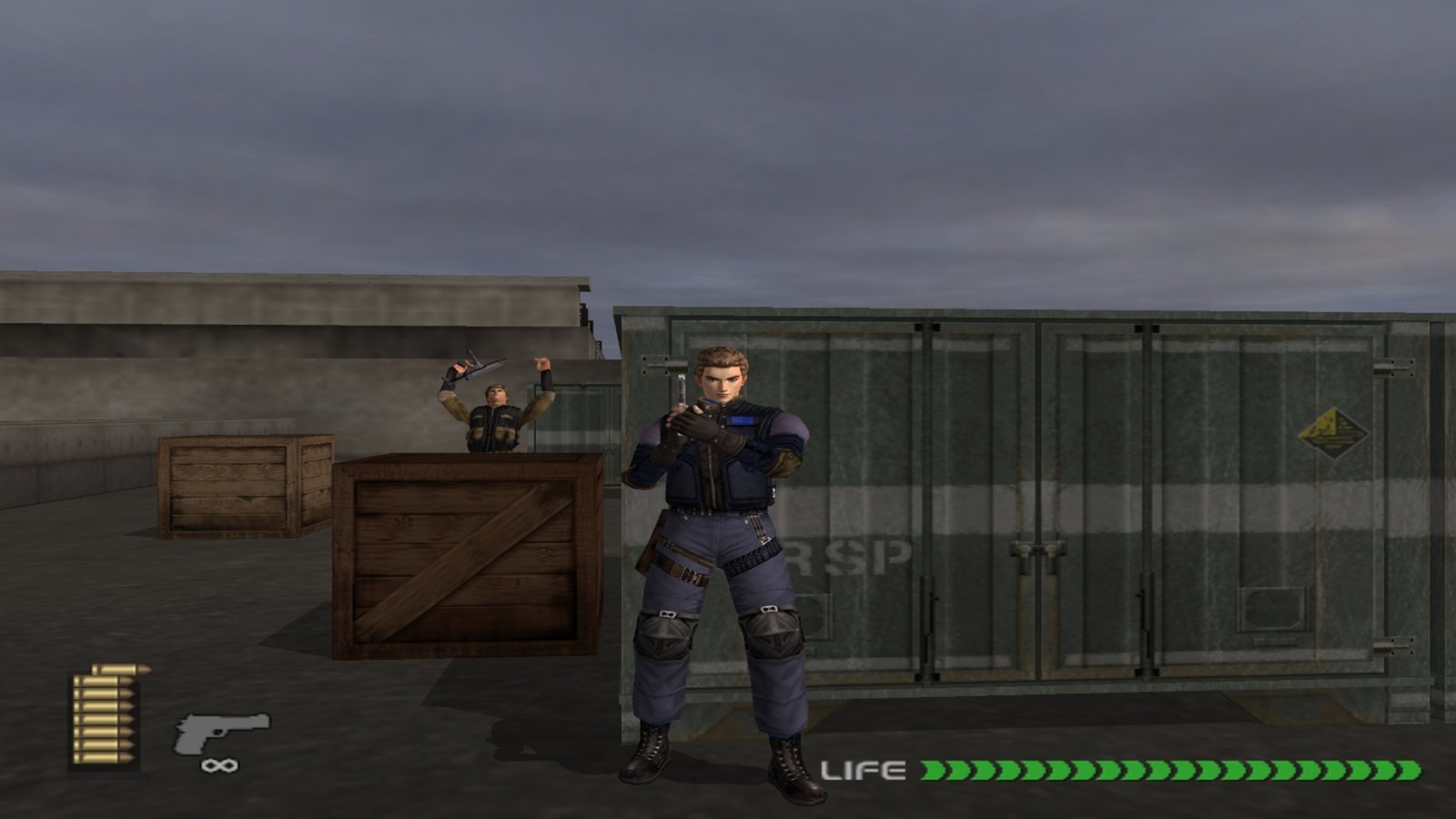
If you owned a Nintendo 64 back in the day, chances are you felt the stinging pang of jealousy when your friends talked about their latest exploits in Metal Gear Solid on the PS1. WinBack: Covert Operations was the closest you could get, but due to sluggish sales and the huge install base of the PS2, developer Omega Force ported the game to Sony’s hardware.
The PS2 version of this N64 gem, which was known as Operation: WinBack, is massively improved. It looks sharper than ever, and plays like an absolute dream. There is an eerie undercurrent to the way each map unfolds, as the game has a remarkable sense of style and sinister musings underneath all your sneaking around.
It’s the kind of stealth game that would feel right at home in today’s landscape. It’s equally as cinematic as it is focused on engaging stealth systems, and the voice acting has a delightful sense of cheesy charm.
2
Metal Gear Solid 3: Snake Eater
Still in a Dream
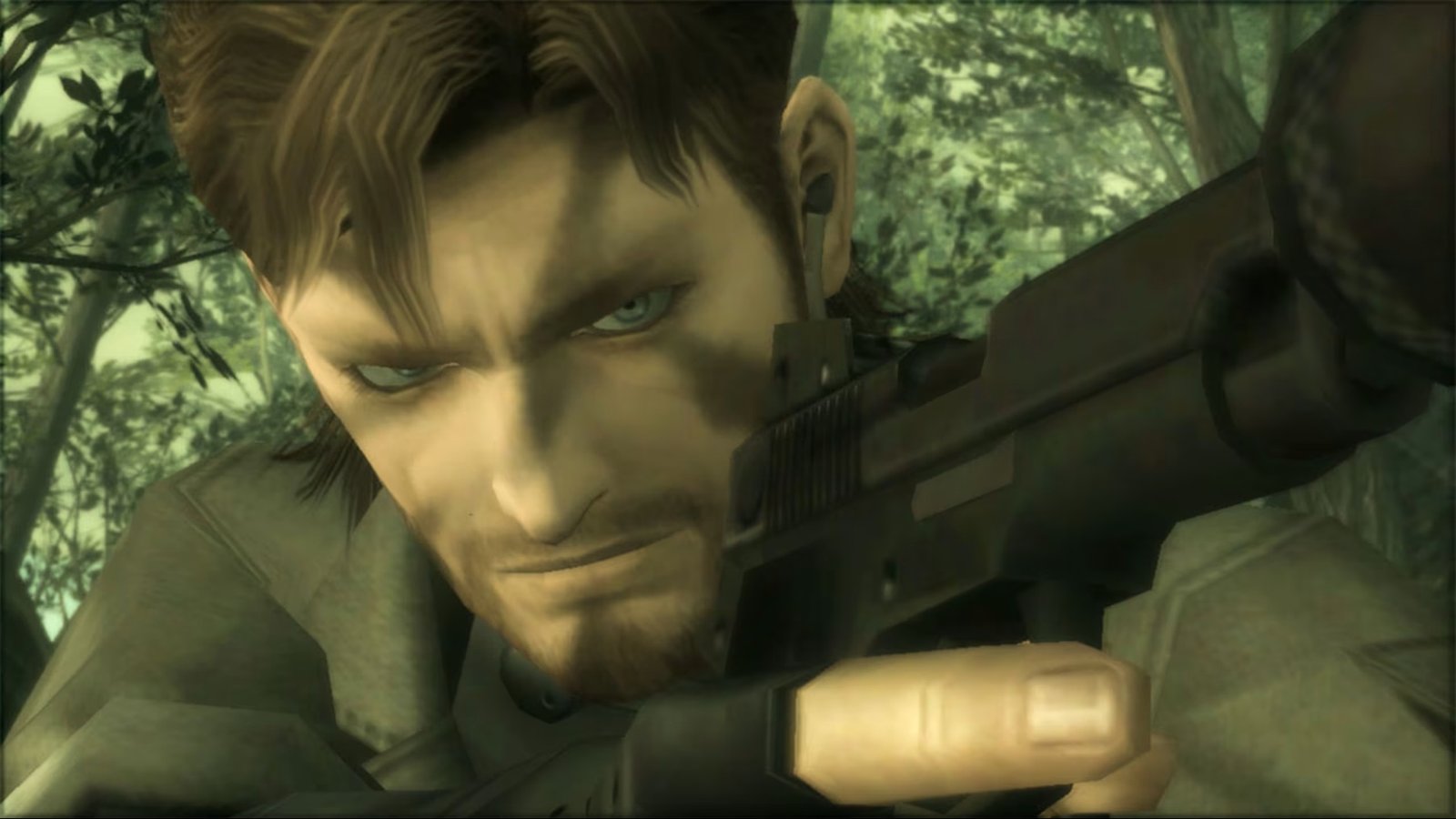
The PS2 era was extremely good to the Metal Gear series. This generation of consoles produced some of the franchise’s most illustrious games, not the least of which was Metal Gear Solid 3: Snake Eater.
Even all these years later, having re-visited the game via the Master Collection, Snake Eater is still one of the most exquisite, expertly-crafted stealth-action experiences I’ve every played. The way Kojima combines swinging 60s spy fiction with his own unique brand of surreal stealth gameplay is admirable.
It introduced a lot of key elements to the series, including CQC and was the beginning of the franchise’s turn into more grounded stealth systems. The lack of a traditional radar, a series tradition at this point, would lay the groundwork for future titles like Guns of the Patriots and The Phantom Pain.
1
Metal Gear Solid 2: Sons of Liberty
A Postmodern Stealth Masterpiece
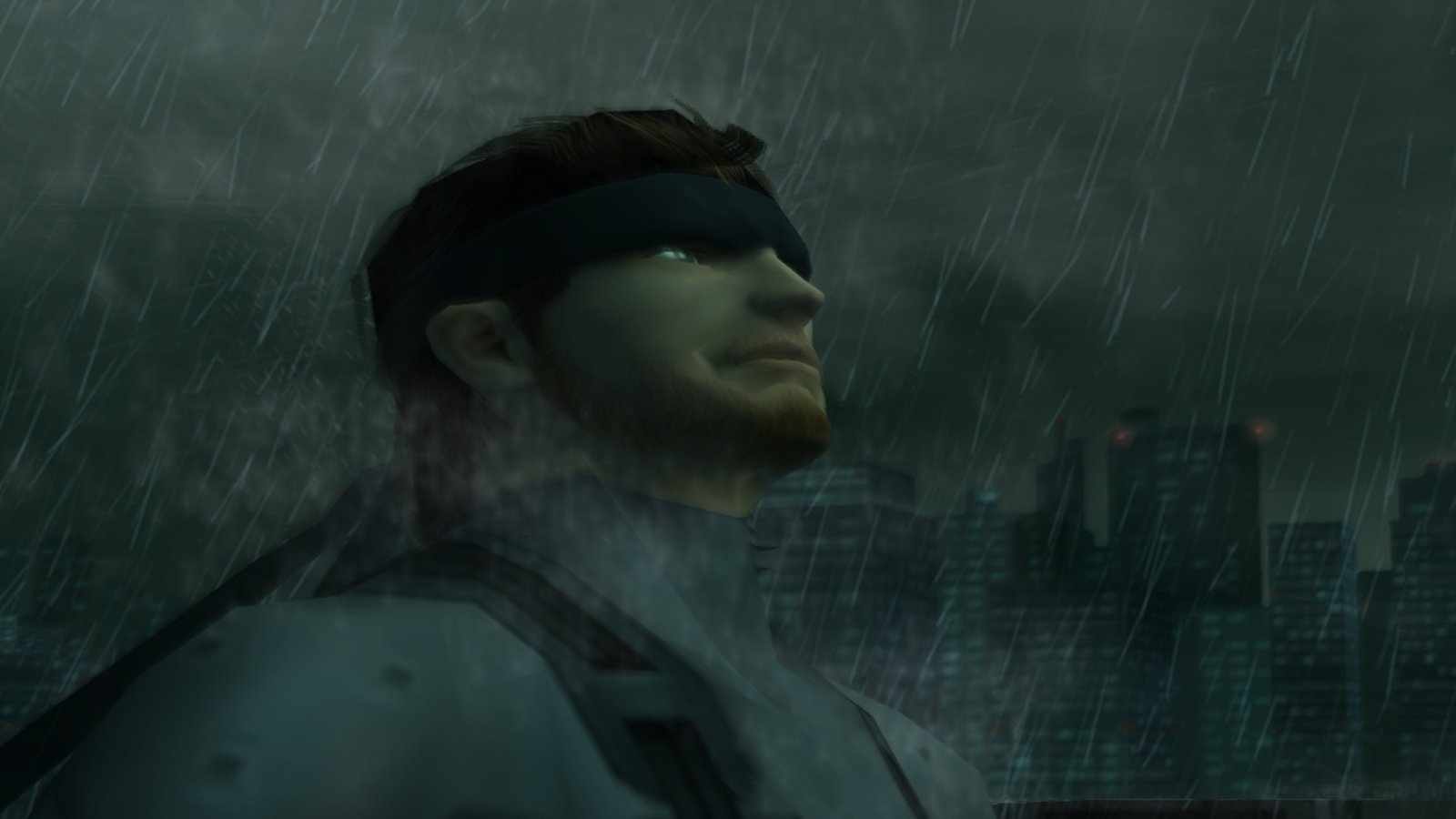
In all my years playing video games, and especially when it comes to stealth titles, not one has come close to the insane level of quality that is on display in Metal Gear Solid 2: Sons of Liberty. It was the sole reason I got my PS2 back in the day, and it has been one of my all-time favorite games ever since.
The way MGS2 uses verticality and suspension to its benefit is so spectacular. It may not seem like much now, but being on a level where enemies are above and below you, worried about them spotting you, then reaching that area later is just so satisfying. Each of MGS2’s main chapters, the Tanker and the Plant, use this to dazzling effect.
Truthfully, Sons of Liberty is the last Metal Gear game that adhered to Kojima’s older design ideals. It still has a radar, and the hide and seek you play with the guards is almost playful. Not that later Metal Gear games were bad, of course, but it just hits different.
It also is the complete package when it comes to the story, as well. This postmodern narrative explores so many themes that even modern games shy away from, including censorship, geopolitical conflicts and even the rise of AI as an existential threat.
