


I wouldn’t particularly say I was super excited for High on Life 2. The first game was a competent, first-person shooter that felt like a video game version of Rick and Morty, more often to its detriment.
With Justin Roiland out of the picture for the sequel, I was really worried about what Squanch Games could pull off this time, since he was one of the studio’s main proponents. That, and the fact that the first game kind of stumbled in many places along the way.
After playing a grueling 15 or so hours of the campaign, I can safely say that High On Life 2 is a much, much improved sequel that corrects the issues of the first game, and then some. It’s a game that builds on the strengths of the original while trimming the excess bloat from the 2022 version.
The best way I could describe it would be nabbing the title from one of Daft Punk’s most popular songs and say that High on Life 2 is quite certainly a Harder, Better, Faster and Stronger sequel.
A Ridiculous Premise That Doesn’t (And Probably Shouldn’t) Take Itself Seriously
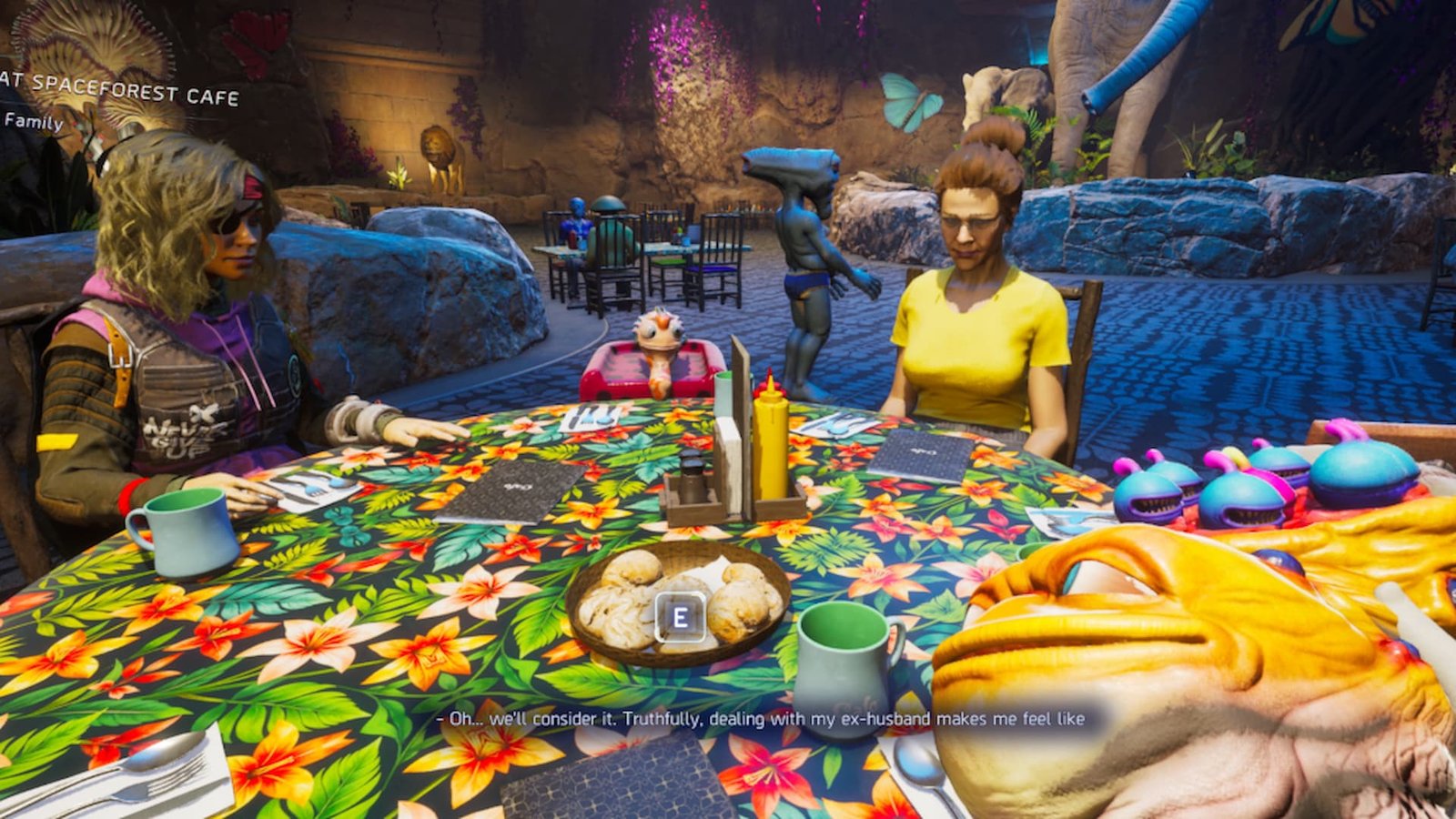
The game takes off right after the High On Knife DLC chronologically, and by this point, you’ve achieved a bit of a celebrity status. As the revered Bounty Hunter, you command the respect and awe of countless others after you took down the G3 and saved humanity from extinction.
That is, until you execute a fellow Bounty Hunter in an attempt to prevent the assassination of your sister, who is now part of a rebel terrorist group that aims to stop humans from being manufactured into psychedelic drugs.
What ensues is an intergalactic adventure as you start from scratch once more, eliminating targets across a board in order to take down the big bad Rhea Pharmaceuticals, an evil mega-corporation that wants to treat humans like cattle.
If this sounds similar, well, it’s because it is. The story feels like a reiteration of the first game, and many elements feel familiar even outside its campaign.
Combat Evolved
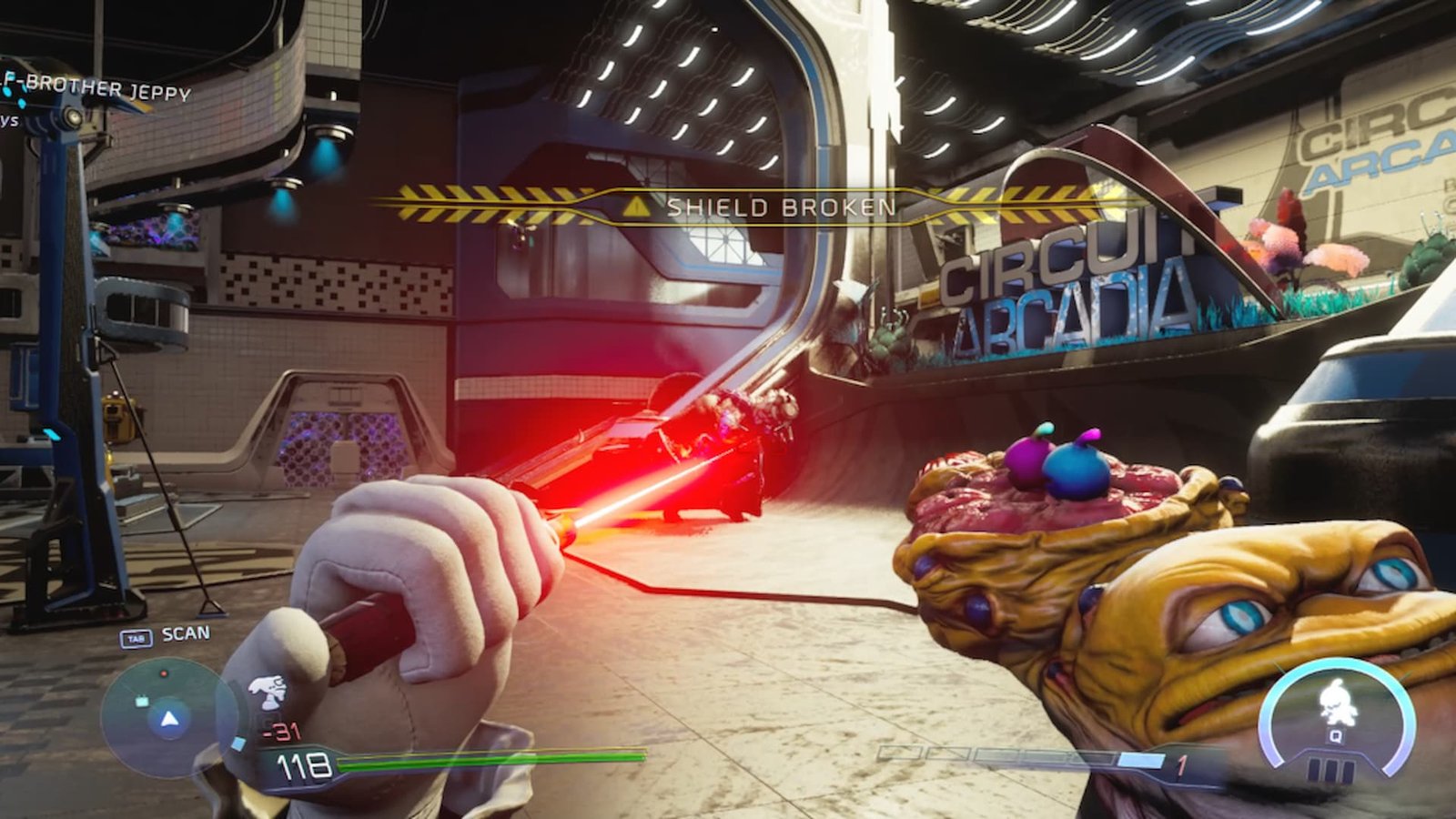
The core gameplay loop remains unchanged, and players who have played the first game should feel right at home here. You use guns to shoot down enemies, and occasionally use certain abilities in parkour sections.
The skateboard is the single largest addition in the game, and one that transforms the gameplay entirely.
Parkour is a big focus this time around, and Squanch Games had the crazy but brilliant idea to fit in a skateboard for dashing around. It takes a bit of practice, but gliding through the arenas using your skateboard feels natural, and shooting enemies with plasma projectiles while pulling out some sick moves never ceases to be entertaining.
The skateboard is the single largest addition in the game, and one that transforms the gameplay entirely. The core combat loop reminded me of DOOM Eternal, with an emphasis on first-person gunplay at blistering speed.
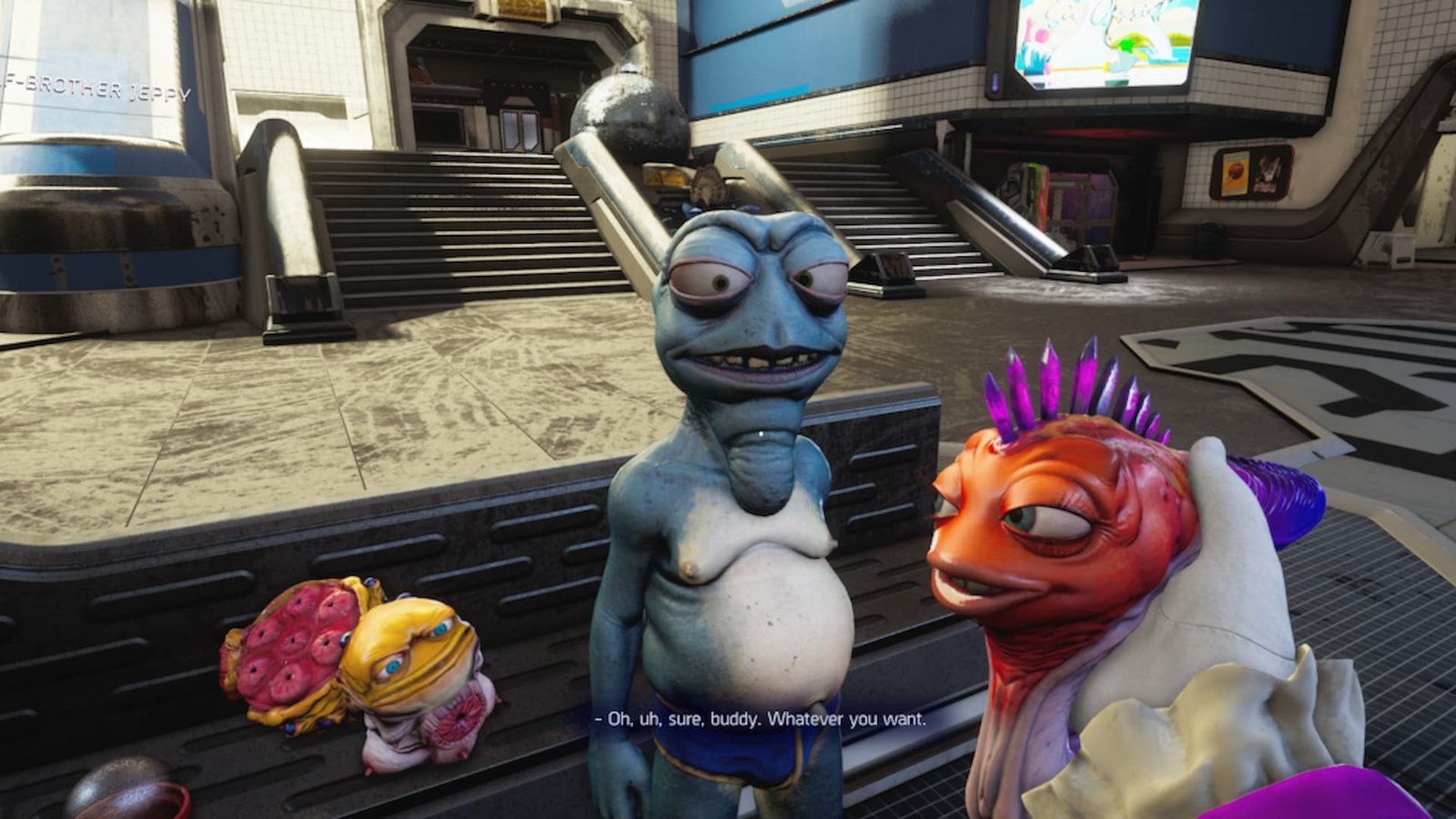
Staying still is a death sentence, and I found myself juggling weapons, abilities, and dodges together to clear stages. High On Life 2 also has a few more tricks up its sleeve, including Jeppy, your Gatlian half-brother who can be released to unleash chaos on the battlefield, a surprisingly effective option.
Some of the stages can be genuinely challenging, but I wouldn’t call this a hard game. The puzzles, though, were a completely different story. I spent way too long solving them than I would like to admit, but I will say they were quite creative and cleverly placed.
It’s a solid loop that just works. The jump is generational, and High On Life 2 genuinely feels like a very different game.
New and Familiar Faces
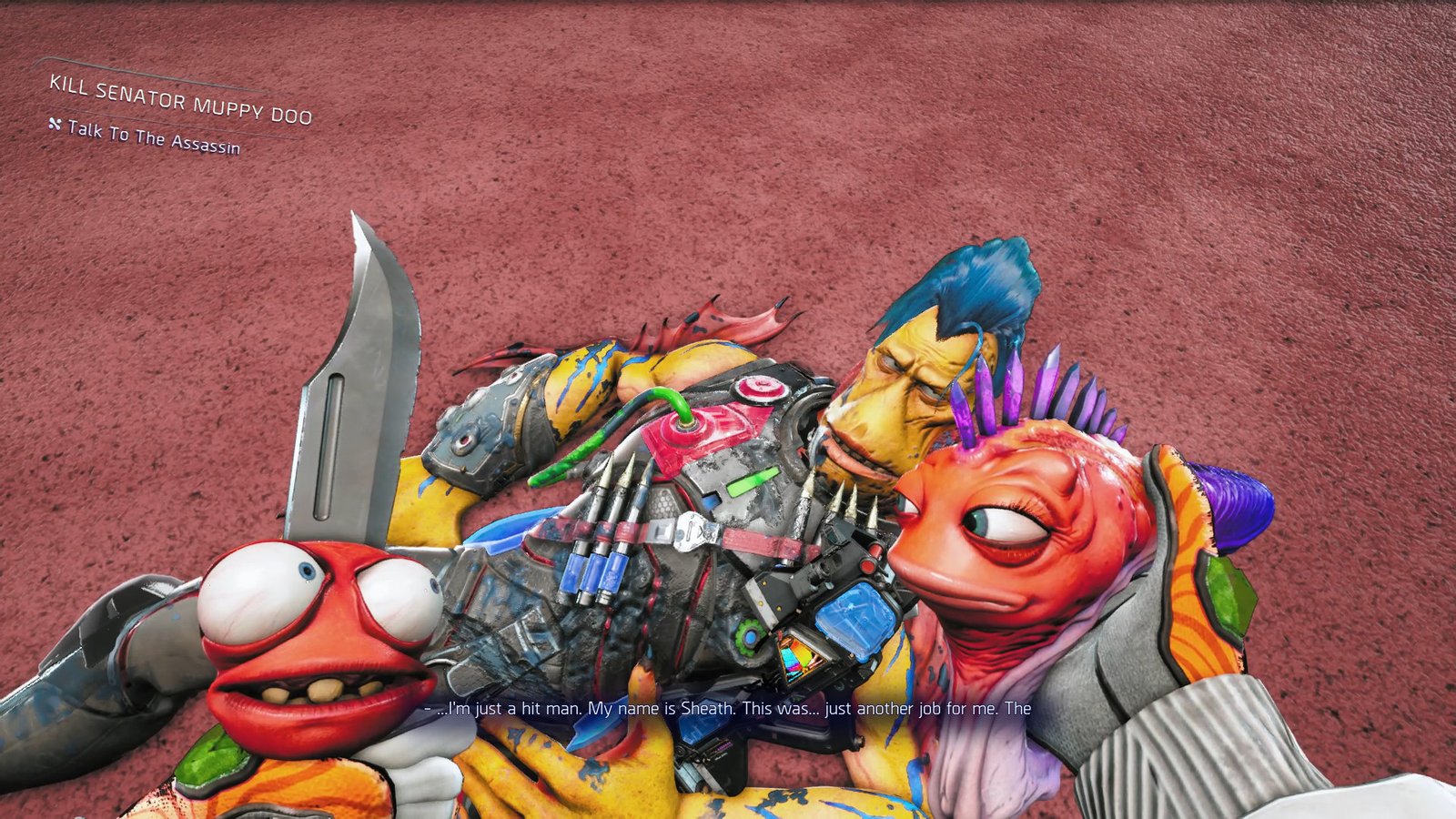
Outside of combat, High On Life 2 has a surprisingly engaging story. Sure, it won’t win any awards, but the game does feel like it tries to tell a story this time. New characters are a highlight, and I particularly enjoyed the first reveal.
Sheath starts off as a boss fight, a mysterious assassin who foils your plans on killing one of the bosses. At the end of what is essentially a skill check battle, Sheath joins the cause and is transplanted into a new gun, with abilities that make him essential for certain puzzles.
This is an amazing way to introduce a character, and High on Life 2 has a few more of these to go through.
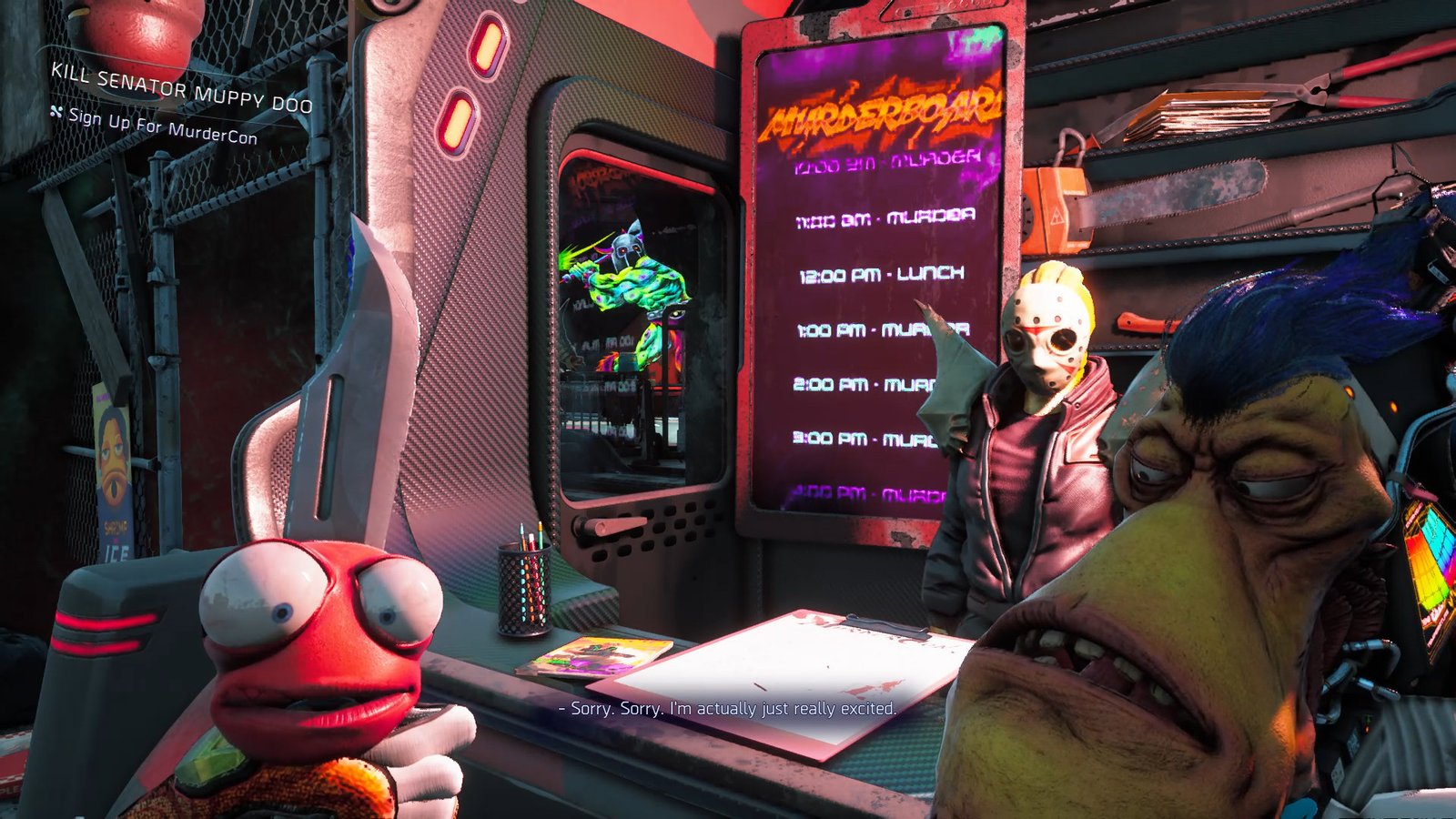
Going back to the legacy cast, we have Knifey, the adorable, bloodthirsty, manic knife from the first game. Knifey is one of the OGs and became one of my favorite characters in the sequel (though I may be biased).
The sequel feels like an evolution and is way, way more impactful than the first.
Each character gets their time to shine, and I was mighty impressed with each set piece. MurderCon was a particular highlight and one of the best moments of the game.
I did miss not having Kenny this time around, though, and it would have been cool to see more than just a holographic mural of him.
High On Life 2 Finally Feels Like Its Own Game
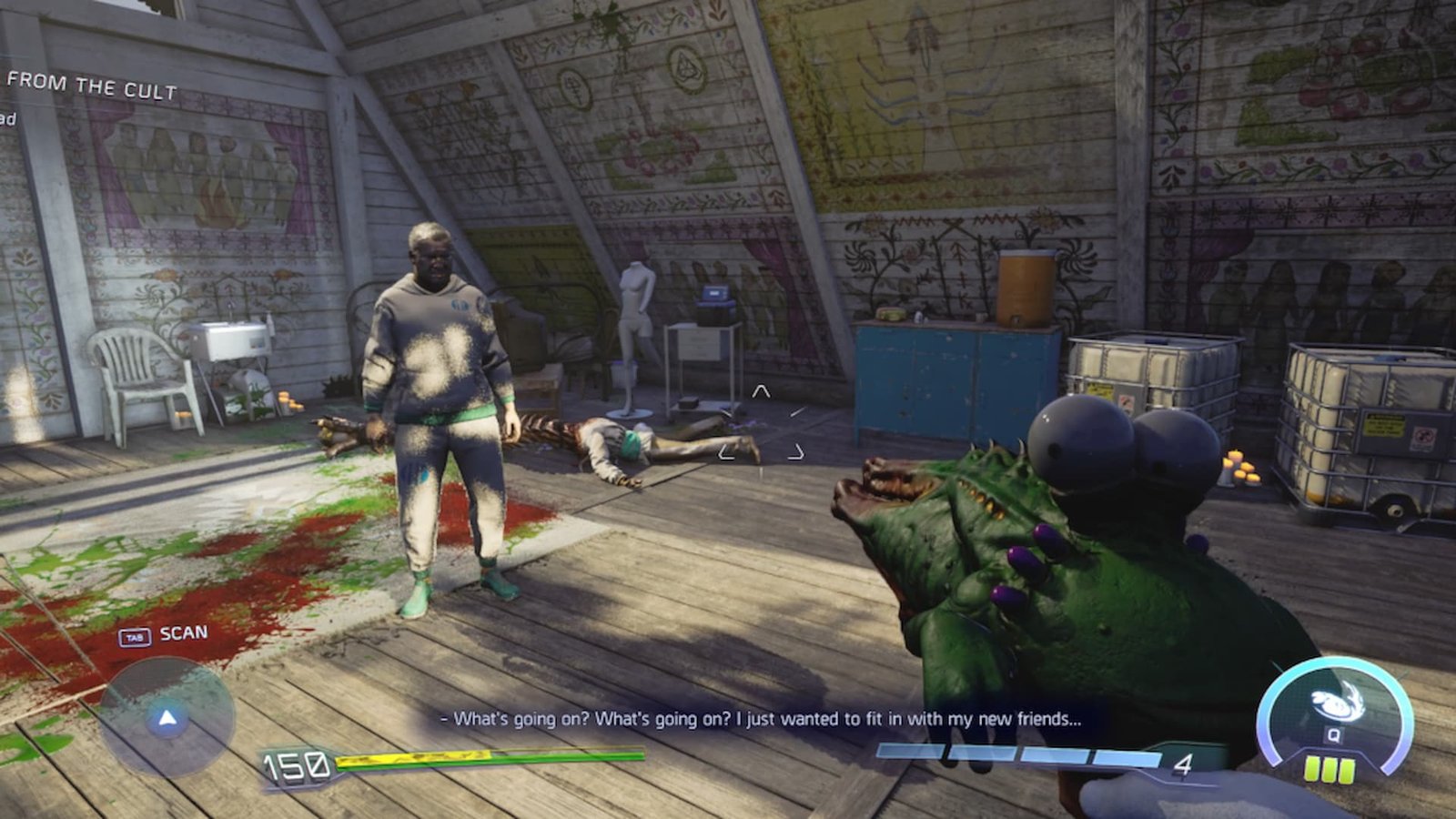
The first High On Life felt more like an experimental title, one trying to find its bearings. The sequel feels like an evolution and is way, way more impactful than the first.
You see, the first game had a problem. It was mechanically sound and had a few genuinely funny moments, but always felt confined in the shadow of its founder. It was like playing a diluted, knockoff Rick and Morty.
With the sequel, Squanch Games has corrected course. The jokes hit more than they miss, and the whole combat and progression loop has been polished to a degree that I would honestly consider High On Life 2 as a separate, superior experience.
The campaign still feels admittedly short at around 15 hours, but at least we have a post-game exploration option now, which is appreciated given how many secrets and side objectives the game has. It’s pretty easy to miss out on most content, though, which adds about 10 hours to the experience.
A Few Wrenches In The (Nearly) Flawless Experience
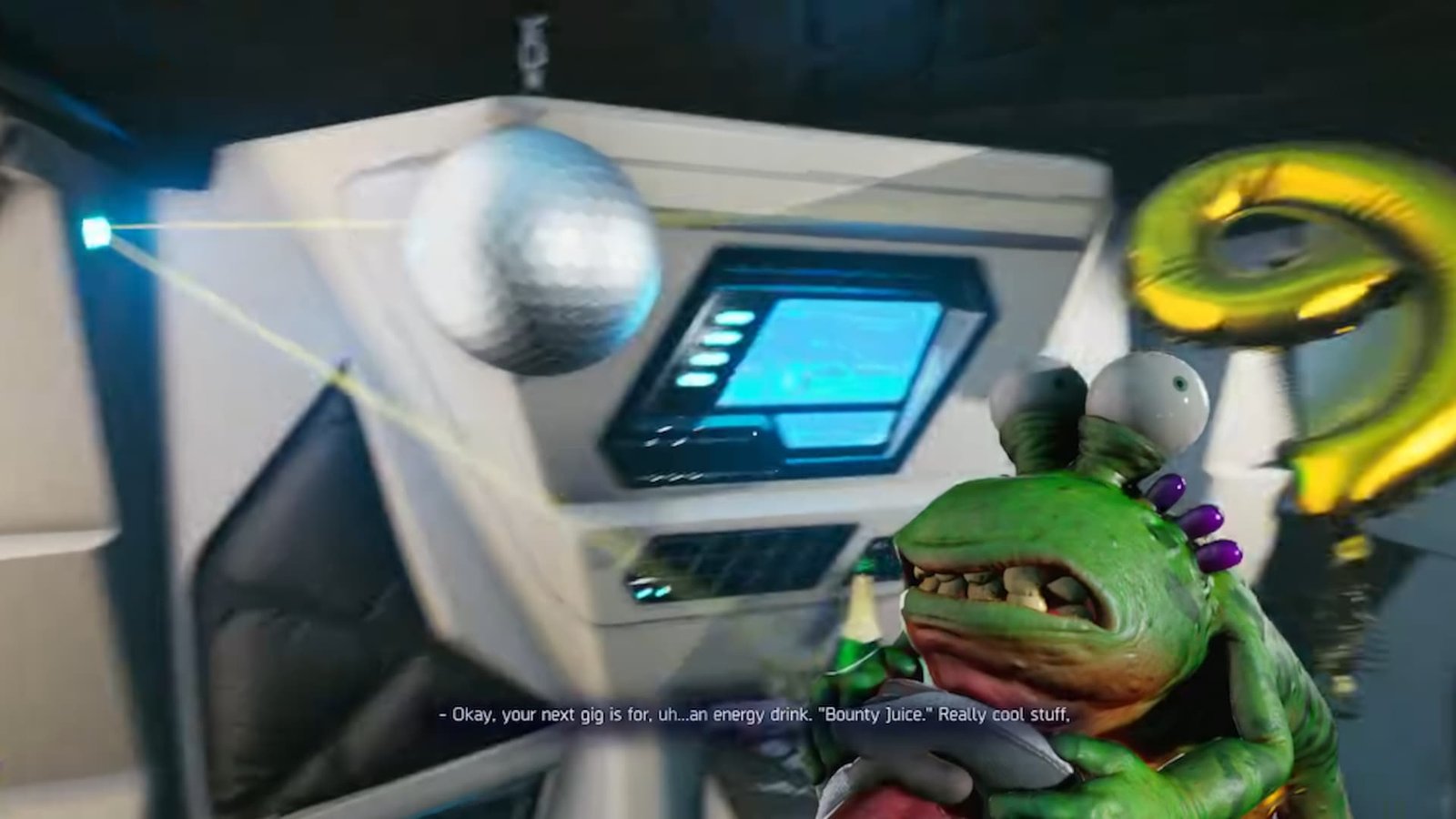
It’s not a perfect experience, though, and I have a few (minor) complaints. For starters, the bonus weapons seem largely irrelevant. Sure, they can do a lot of damage when used correctly, but they are limited in use and can be a bit awkward if I’m being really honest here. I simply worked around it by sticking with my old pal, Knifey.
Alongside that, tech issues have plagued this sequel, as they did the original. I’ve had the game crash on me multiple times, and performance has remained dicey at best, which is something I’ve come to (unfortunately) expect from an Unreal Engine 5 title.
More annoyingly, I’ve noticed that the PC version seems much less clear. It’s as if someone smeared Vaseline across the character models, and there’s some really janky texture and shadow work here, which I’d wager can be chalked up to some weird issues with upscaling. It definitely needs a patch or two to settle down.
Butall things considered, High On Life 2 is a fantastic sequel that addresses almost every major gripe I had with the first game and has me hopeful for future DLC.
High On Life 2 doesn’t reinvent the wheel, but that's perfectly fine. It’s an upgrade on its predecessor and a game that feels like it finally has an identity of its own beyond 'that Rick and Morty game'. Admittedly, it's still a game we would label rough around the edges, but simply put. If you liked the first game, then you're in for a treat with this sequel.
The Good
- Great movement and parkour system
- Combat has been majorly improved
- Characters are well fleshed out, with good development arcs
The Bad
- The PC port is disappointing and could use a few patches
- You’ll either love or hate the humor. It won’t be for everyone
