


Subtlety is a beautiful thing, but it isn’t always necessary. Sometimes, being loud and proud is the best way to make a first impression, a lesson UNBEATABLE learned ahead of it’s release window. UNBEATABLE has had a lot of eyes on it since its reveal, touting eye-catching art, a massive range of music, and oceans of soul.
Rhythm games, like a few other niche genres, struggle to achieve mass-market appeal without a unique spin. Typically, they focus entirely on gameplay, diving as deeply as possible into mechanics to entice their hardcore audience. That serves many well and is a tried-and-true tactic for finding your niche.
UNBEATABLE‘s focus on telling a story all about what music means to people gives it so much heart, and I found myself rooting for it more and more as development quietly progressed.
Finally on shelves after a tumultuous dev cycle and multiple delays, let’s see if the wait was worth it. DJ, drop the beat!
What It Means to Rock
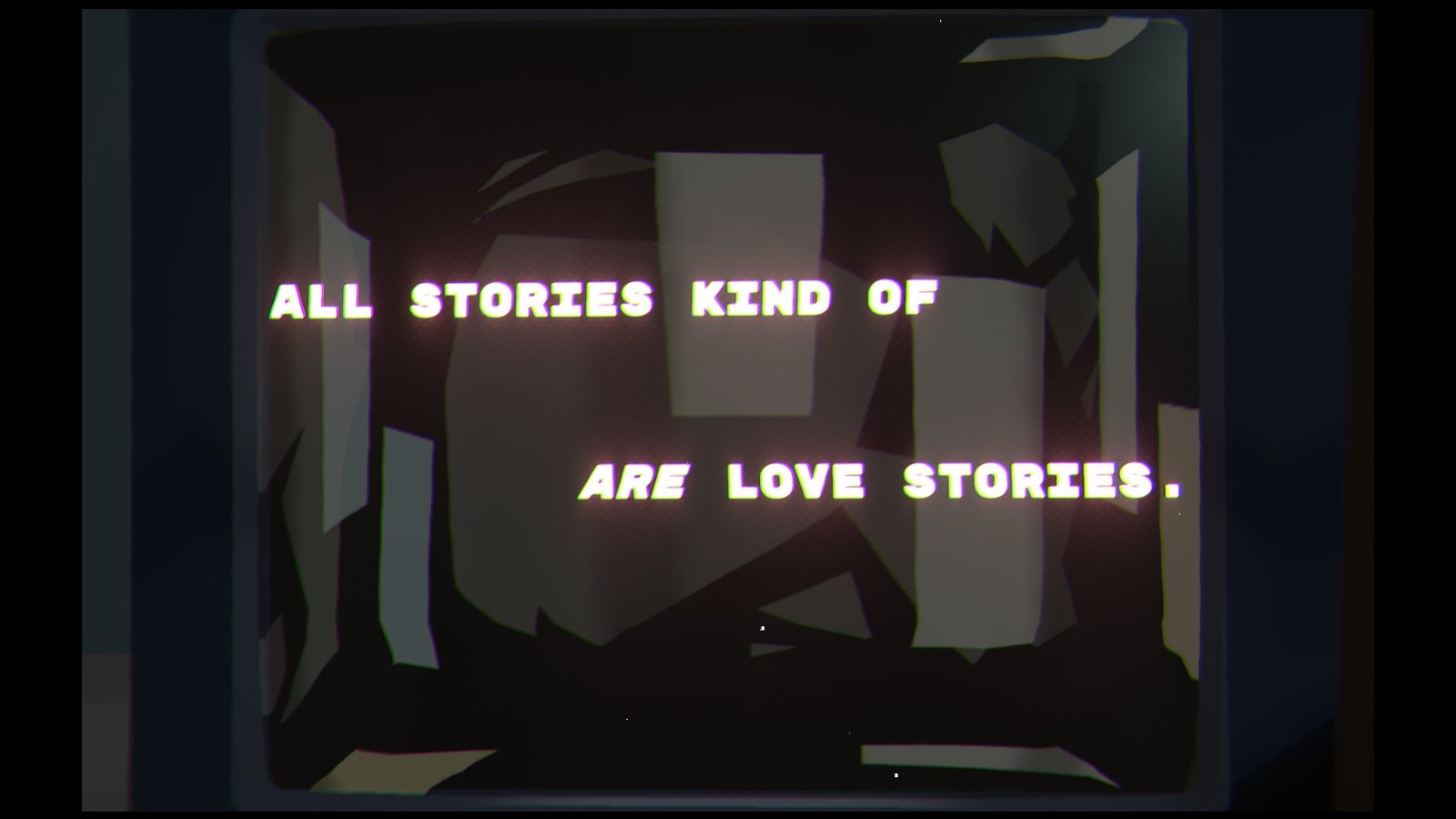
UNBEATABLE is such a clear labor of love from the folks at D CELL Games that it’s seeped into every aspect of the game, especially its story. Set in a world where music itself is illegal, we follow Beat, a wayward rocker just as lost as Quaver, the young girl who finds her asleep in a field.
The world of UNBEATABLE is trapped in the iron grip of HARM, a police state that has banned all forms of rhythmic sound in order to minimize the risk of the Silence. What is the Silence? Why are parts of the city fully abandoned? How did Beat find herself here? All questions for you to solve on your own.
The cast starts small but strong, and almost every background character leaves a mark. Pages of dialogue make the world feel very lived in. I’m reminded of a moment at the game’s very start, set inside a packed stadium. The building beat of a stalling drum echoes down the hallways like a pounding heartbeat. On the way to the stage, the members of the opening act lie in frustration.
The lead guitarist laments how much louder the crowd is cheering for the promise of you than they were during the band’s entire act. I expected some anime-style good-hearted reassurance, but it never comes. The band is simply left to wallow, and the character doesn’t make a serious effort to make them feel any better. It felt so messy, so genuine, and hooked me immediately.
It’s a strength of the writing all throughout UNBEATABLE, the characters feel like people, talk like people, even make mistakes like people.
Heart Thumping and Headbanging
UNBEATABLE is a rhythm game through and through, clearly showcasing every part of the musical creative process. It celebrates the spirit of rhythm while still focusing on an overarching plot.
Its tone strikes a fun balance between Saturday-morning fun and a genuine dystopian, oppressive existence. A lot of UNBEATABLE’s messaging can feel a little flowery, but the genuine belief at its core makes it a joy to follow and the cast easy to root for.
Plenty of rhythm games focus entirely on the music while letting the narrative potential slip away. UNBEATABLE avoids this by slipping its musical gameplay into a variety of formats throughout its runtime. Different mini-games crop up throughout, with plenty acting as unique one-offs for specific moments.
Its tone strikes a fun balance between Saturday-morning fun and a genuine dystopian, oppressive existence
One second, you’re playing on a massive stage, the music echoing off the empty stands. The next, you’re riding a motorcycle down an abandoned highway while chased by military hardware.
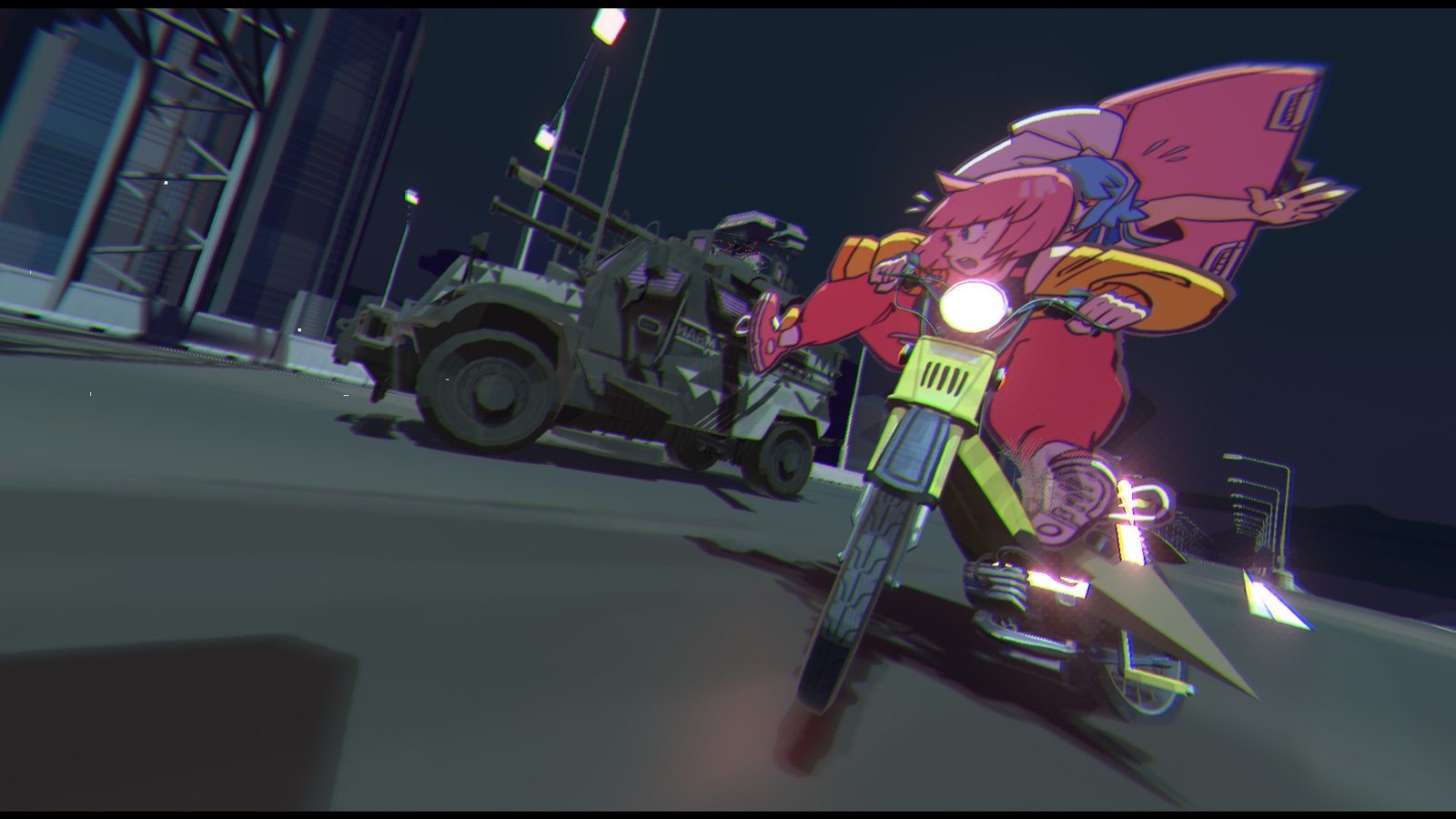
The most consistent gameplay in UNBEATABLE shifts between exploring the game’s world and defending yourself from various foes in musical battles. These fights feel more like standard rhythm game fare, but the game’s presentation keeps them from growing stale. Despite using only two buttons, fights feel frenetic without ever feeling confusing.

Also Read
UNBEATABLE constantly feels fresh, backed by its stellar visuals and great soundtrack. Dozens of different artists contributed songs for UNBEATABLE, and the wide range keeps the battles that use them pulse-pounding. It’s always a little difficult for rhythm games to keep the early stages musically engaging without being too difficult, a problem UNBEATABLE dodges thanks to its wide range of tracks.
The game also loves having fun with both the player and its genre. With plenty of mini-games being deliberately difficult or obtuse. One of the final levels of an optional batting cage mini-game tasks you with clearing a chart that just doesn’t follow the rhythm of the backing track at all. If it locked progress, this could have been an issue, but its status as a fully optional pursuit makes it feel more like a challenge directed at overconfident players.
Embracing difficulty ties solidly into UNBEATABLE’s themes, while keeping the player on their toes in a way that never feels unfair or grating. Every offer of difficulty comes with the reminder that there’s no shame in taking the easy road, while acknowledging that the extra twists and turns can add flavor.
Looking Like a Rockstar
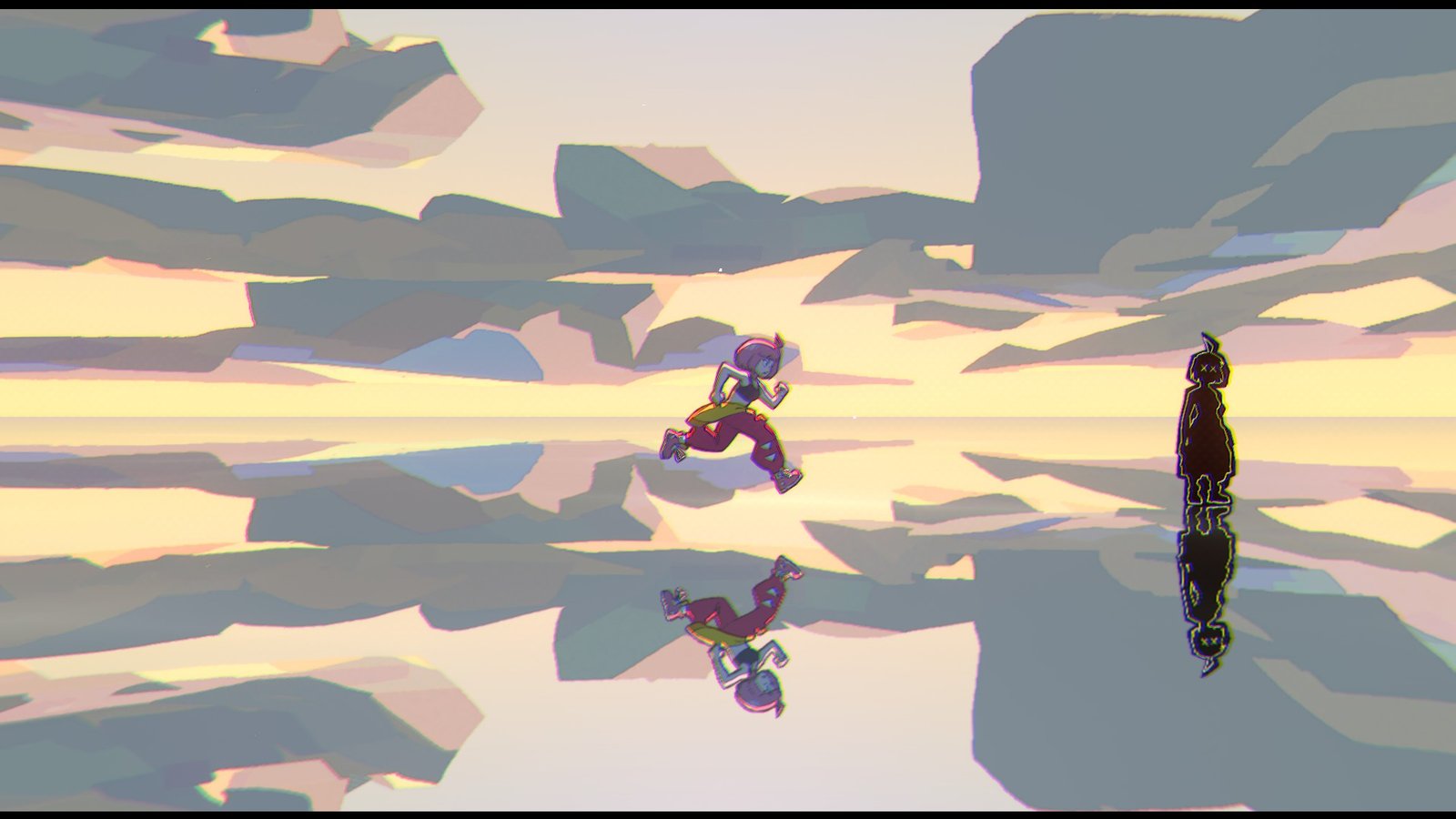
One of UNBEATABLE‘s marquee achievements is the fantastic art direction. The game largely consists of 2D characters in 3D environments, giving scope of the world’s scale. Massive concert venues, abandoned cityscapes, and fields of overgrown plants feel truly expansive.
UNBEATABLE constantly feels fresh, backed by its stellar visuals and great soundtrack.
Most of the game has an ever-present CRT filter that, alongside its opening, really sells the art direction I can only label as bulky futurism. The military uses massive, blocky machines to oppress the populace, clashing with the rounded, softer shapes of many of the monsters that appear throughout the game. It’s a great use of shape and style that the game never stumbles with, balancing well with the 2D/3D mix.

Also Read
The style also helps UNBEATABLE‘s characters feel so alive. The characters really pop, always bouncing in their idle animations to some invisible beat. Each character is portrayed so well by their VAs as well, providing a great range of genuine emotion and comedy.
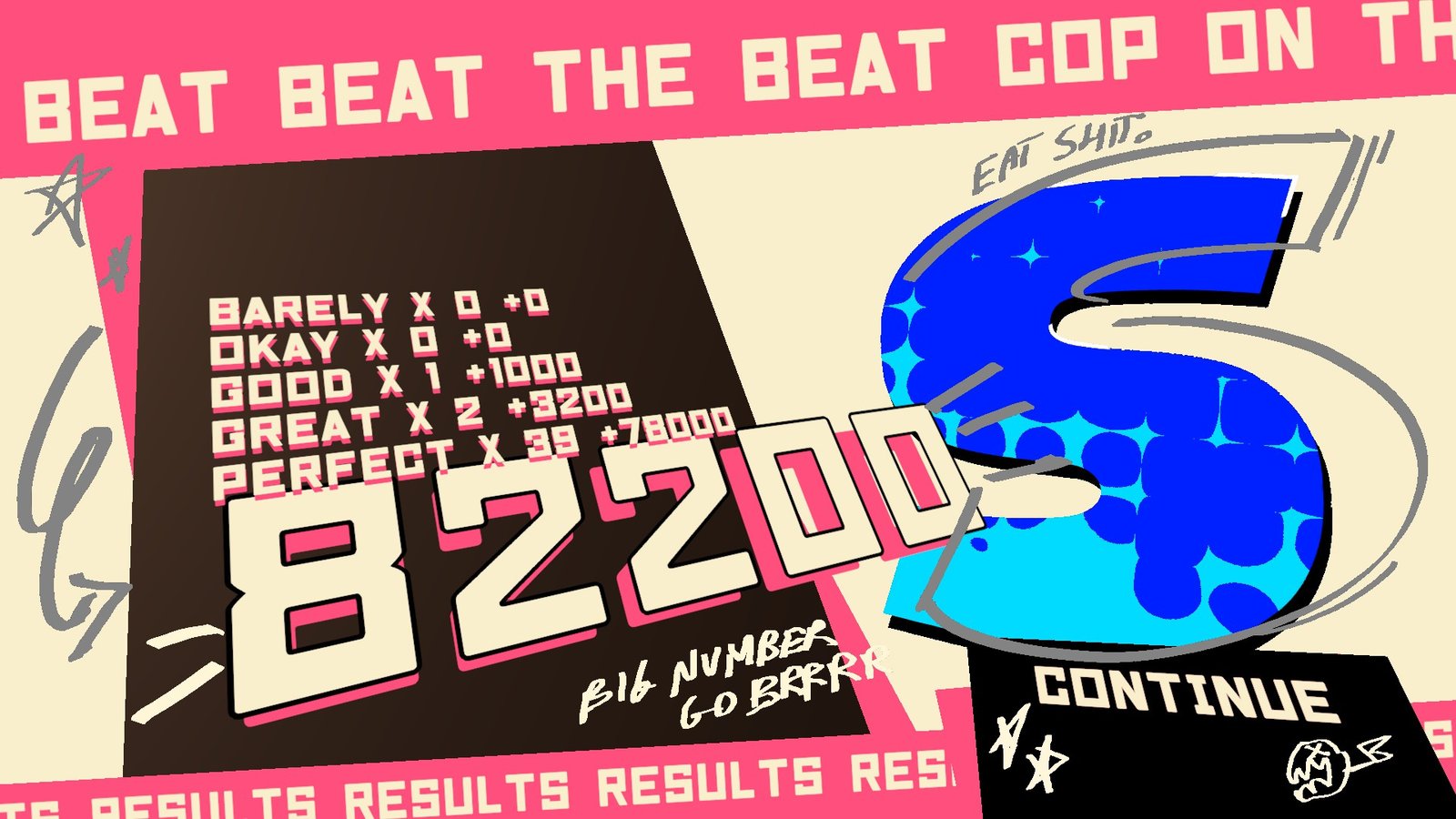
Even the menus are filled with so much life, from the game’s opening setting selection to the post-fight score screens. It’s as if every part of UNBEATABLE that isn’t under the villain’s control is fueled entirely by music. Always pulsing and bopping to songs only they can hear.
The visuals feel consistently excellent across the game’s entire run, a genuine feat considering just how many distinct locales it jumps between. Psychedelic voids, fascist prison complexes, every area rendered in such a way to make it easy to recognize, while keeping the characters the centre of attention.
Every Showman Stumbles
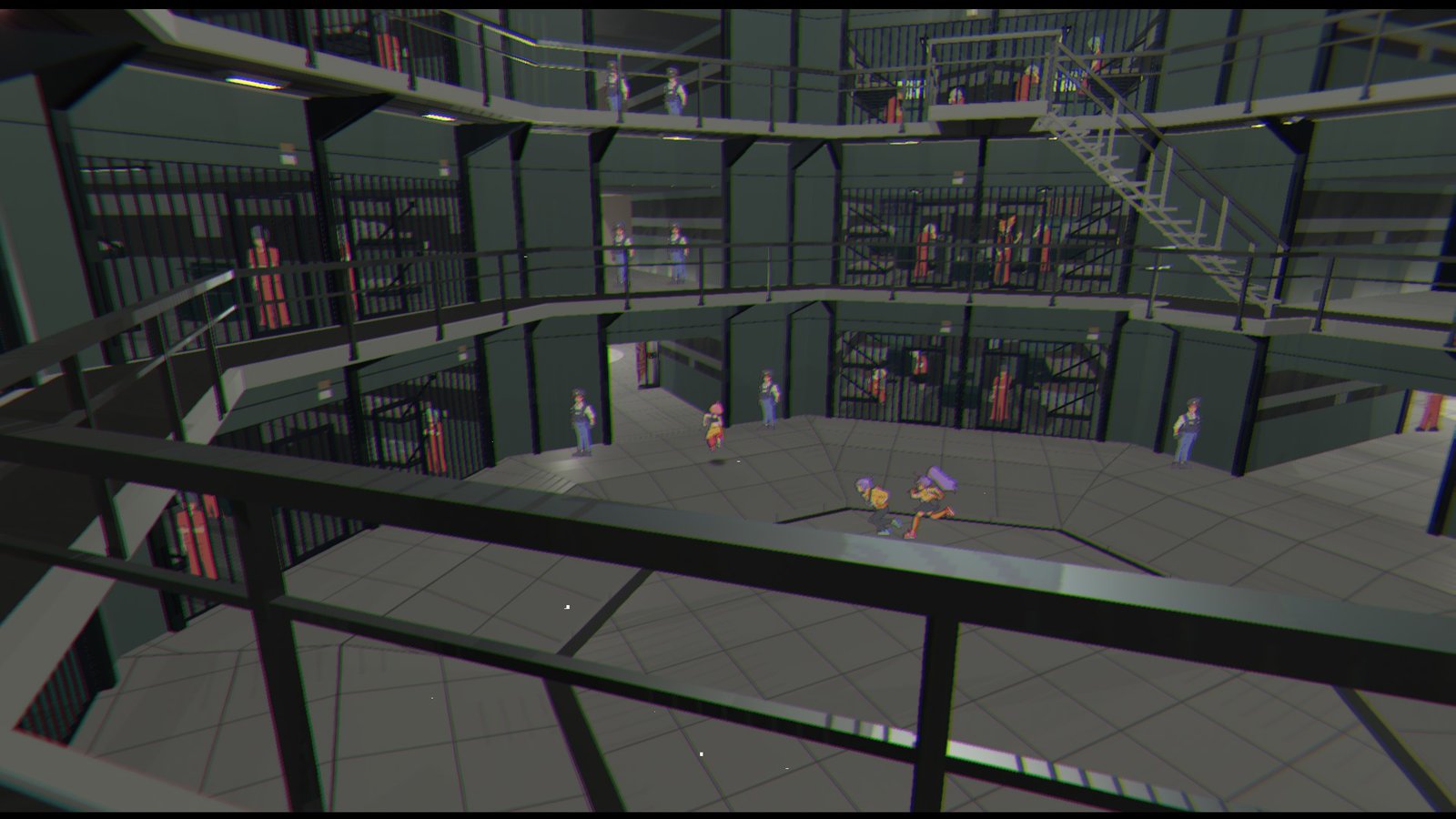
Despite the immeasurable heart pumped into UNBEATABLE, it has a few pain points that keep coming up. To start, some early sections of the game lack polish in terms of performance. It’s almost like the game itself can’t physically keep up with its wild presentation. During one fight in the prison area, the track switches between the left and right sides of the player, but it seems to get caught in the cage the characters are fighting in.
This combat-related UI issue is prevalent throughout, getting caught on geometry during some moments that make the wild performance shift from awe-inspiring to annoying. Again, the problem is rare enough not to taint the overall experience, but it can’t be easily ignored when it does occur.

Also Read
All of the issues feel a bit like nitpicking, but when a game asks for perfection in your play, potentially dropping a note because of the UI is very frustrating.
Follower characters can also get a little lost in the larger areas. Once again, this happened mostly during the early prison area, where a few members of the cast just got stuck on the terrain while we explored. These issues never barred any actual progress, but were consistent enough not to ignore.
Some characters are slow to open up, which works for the narrative but can be a bit grating at the start. The game never fails to make the cast likeable; it just takes longer for some members. This is hardly an issue if you’re patient with characters, but first impressions are everything after all.
Review code provided by publisher. Reviewed on PC
UNBEATABLE is a fantastic example of good things coming to those who wait. D CELL Games has demonstrated mastery of mechanics and narrative and, despite minor polish issues, has delivered with flying colors. D CELL Games rewards patient fans with a truly UNBEATABLE experience. If you love music, art, and the human spirit, you've have to try UNBEATABLE.
Pros
- Amazing Visuals
- Constant Gameplay Innovation
- Earnest Story That's Great To Follow
Cons
- Occasional Choppy Performance
- Shifting UI Can Be Hard to Follow
- Followers Can Get Lost In Complex Areas
