

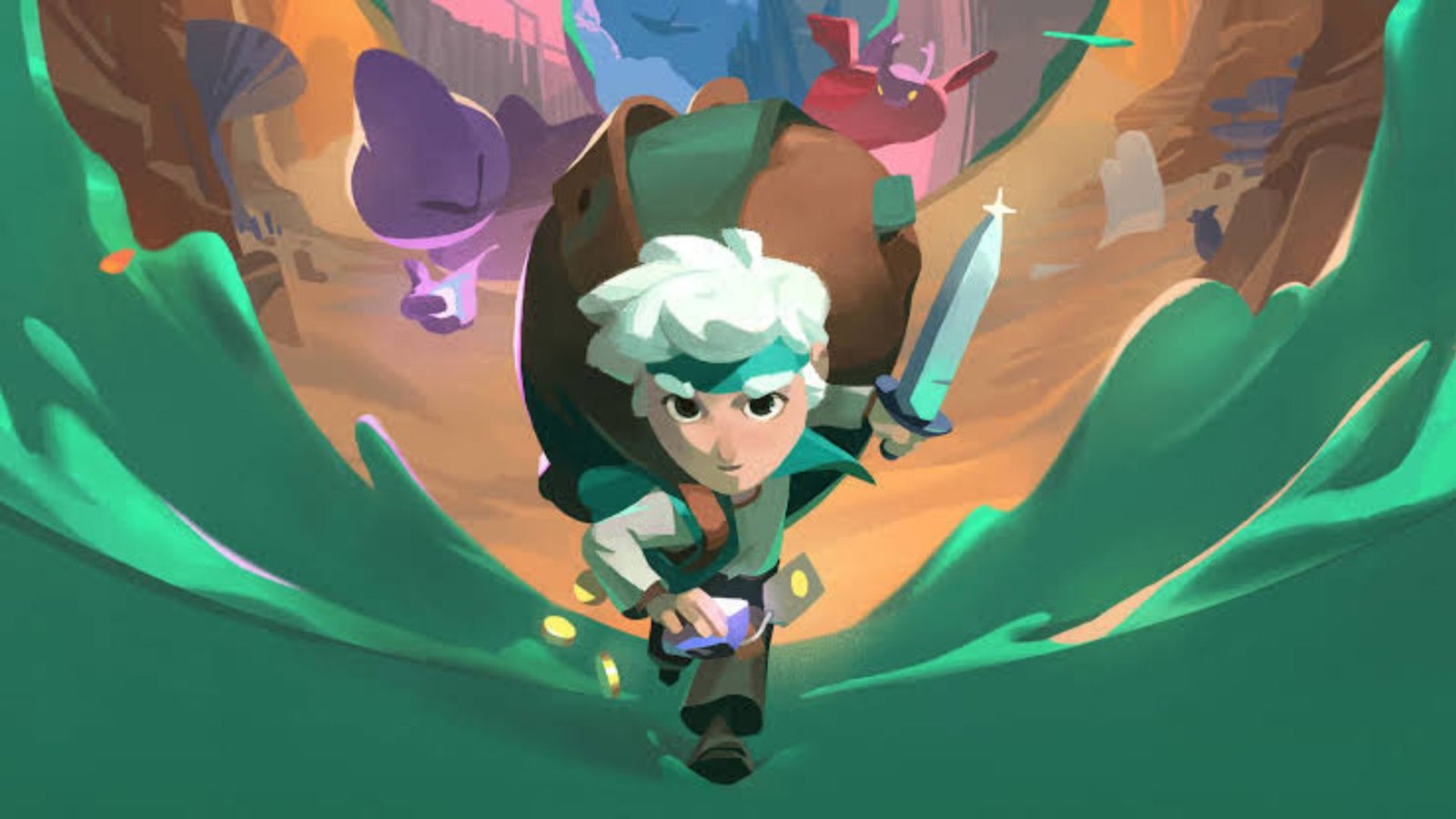
It’s been quite some time since I first sat down with the beloved 2D indie darling’s 3D successor, Moonlighter 2. In fact, it was long before this title even entered a lengthy period in early access. But, even then, I saw potential in this ambitious sequel.
Adding a new dimension is a tricky business, as is following up on a cult classic. But thanks to an addictive gameplay loop, rewarding progression, and accessible but challenging combat, Moonlighter 2 certainly had the bones of a brilliant roguelite.
However, a lengthy stay at the early access hotel means you need to have the facilities to pay the bill at checkout time. So, we want to establish whether Moonlighter 2 has used this incubation period to grow and flourish, or if this is still a game shy of reaching its full potential.
Monsters & Mercantile
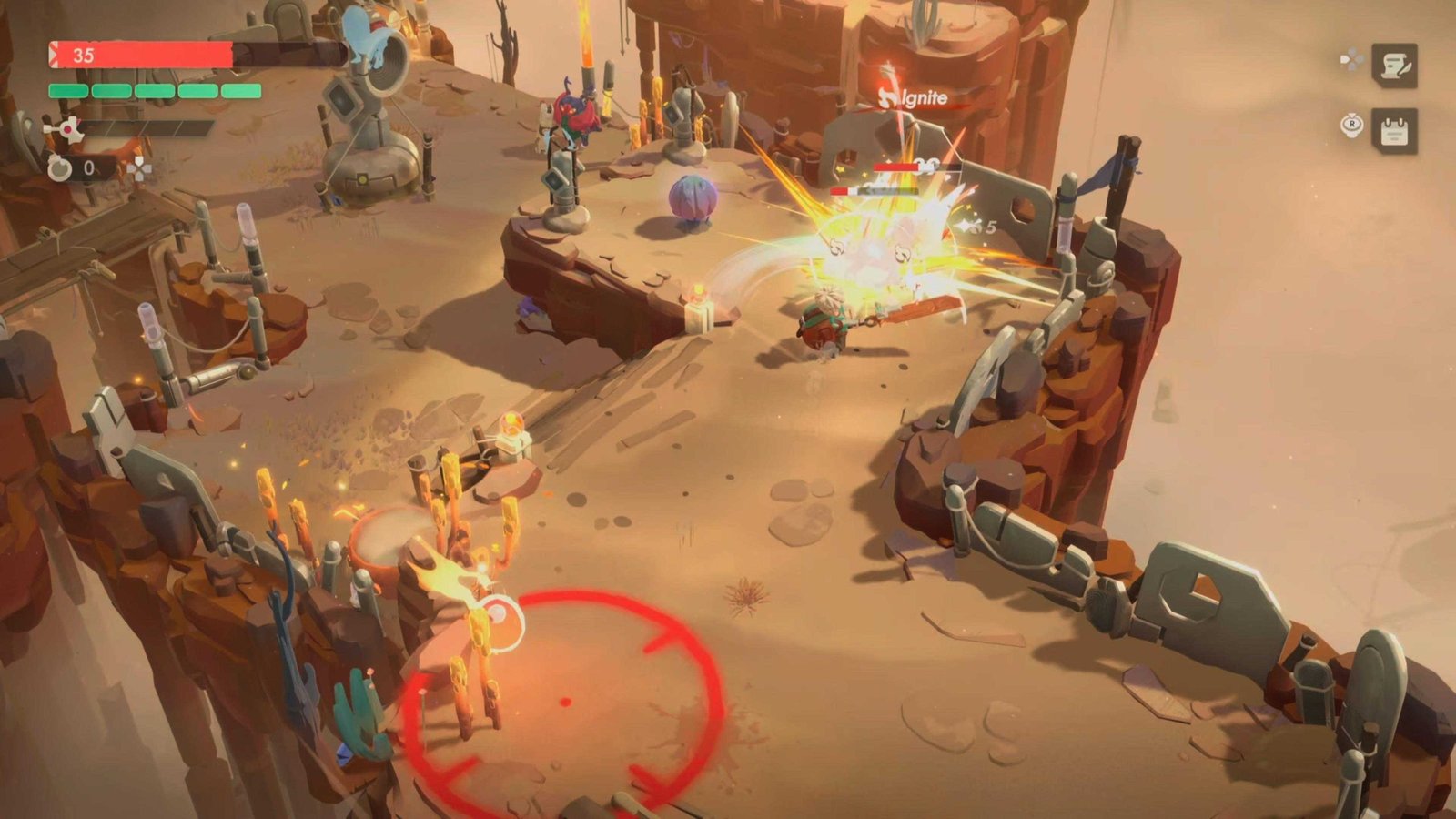
Addressing the elephant in the room, many may be wondering how much of a step up, or potential downgrade the 3D combat offers in this shop-til-you-drop sequel. Well, it’s a mixed bag, if we’re being truly honest.
The upside of this switch to 3D is that combat feels a lot more fluid and precise, allowing players to utilize the space of each room much more effectively. I can’t tell you how many times in the original game that I had to agonize over lining up my attack within the 2D parameters, only to end up taking damage as a result.
This is much less of an issue in Moonlighter 2, as players can roll around, shoot, strike and bag bash with complete fluidity. Tucking and weaving to avoid the chaos on screen.
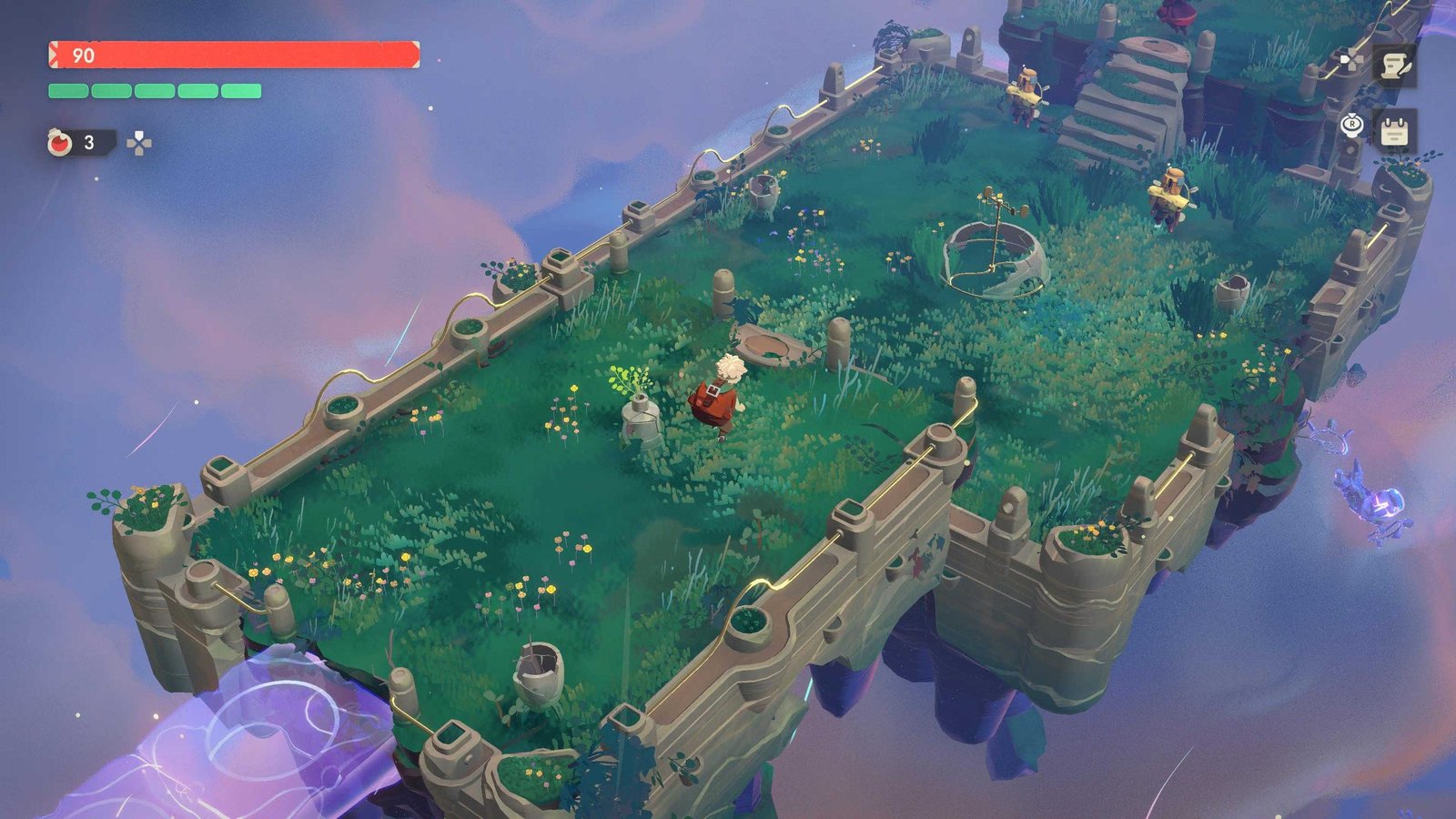
Plus, the addition of a gun and bag to your weapon selection are inspired additions. Allowing you to attack enemies from distance, and build up stagger before using your bag to knock enemies out of the arena with one swift bash.
All these additions make the combat feel much less attritional and one note. I’m all for a traditional 2D hack and slasher, but the original Moonlighter began feeling very repetitive due to the lack of combat depth. So these changes are very welcome.
However, I would be lying if I said that the changes have made for a truly amazing combat experience overall. You see, as much as you try to heap praise on the 3D combat in comparison to it’s 2D predecessor. The 3D combat isn’t all that innovative or unique.
In fact, it serves it’s purpose and succeeds more due to it’s familiarity. It feels satisfying to play because I’ve played 3D slashers like this countless times. Which means that, after a few hours, when the initial novelty wears off, you’ll probably lose interest in the core combat experience, seeing it as a means to an end, rather than a fun, action-packed affair that makes you crave more.
Also Read: 9 Helpful Tips to get Started in Moonlighter 2: The Endless Vault
A Relic Hunter For The Punters
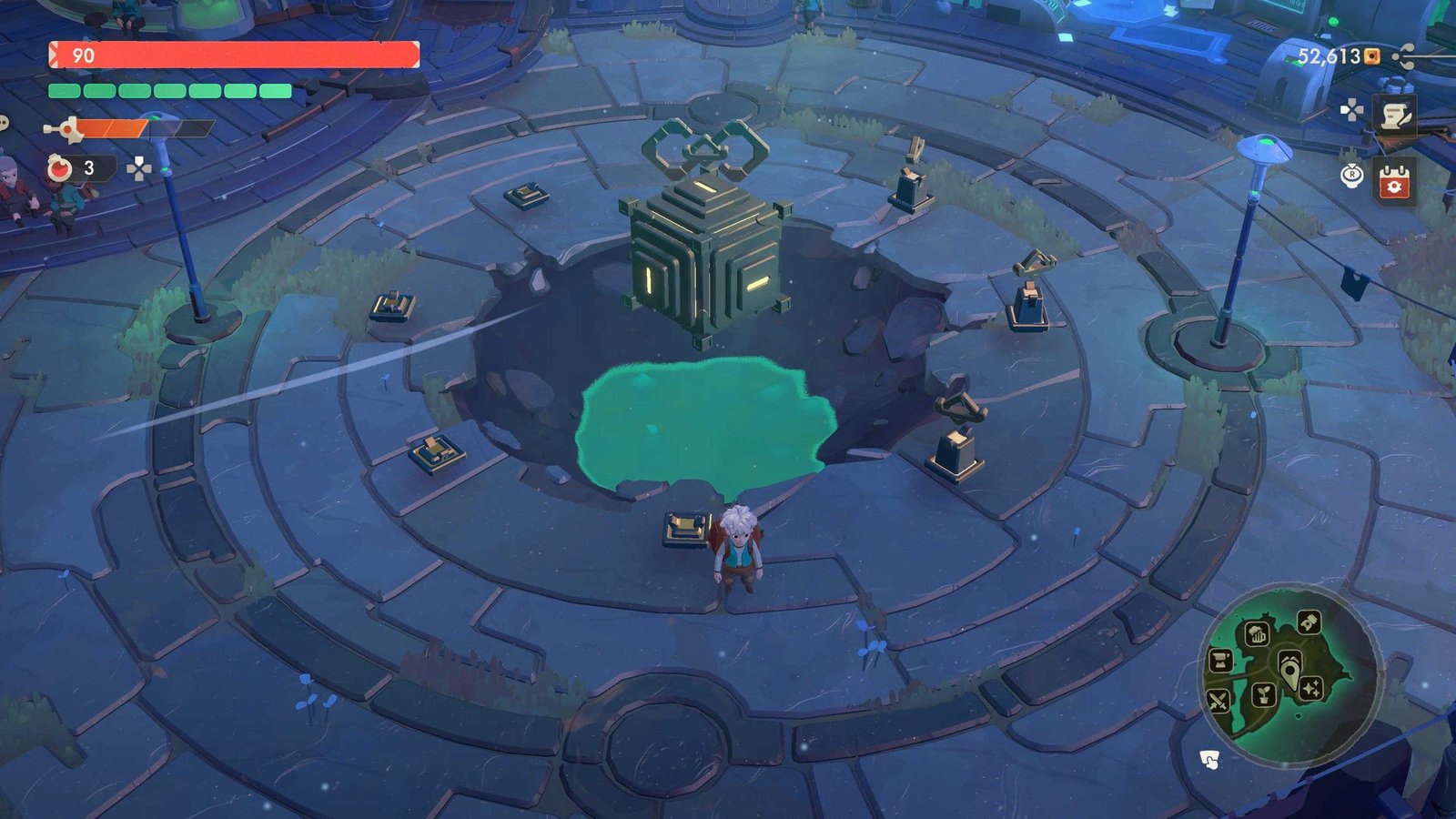
While the combat experience leaves a lot of be desired when put under scrutiny, the same cannot be said of the progression system and core gameplay loop.
The ‘gather inventory, sell inventory, repeat’ loop was something that made the original Moonlighter stand out from it’s contemporaries, and this loop remains as interesting, addictive and engaging as it once was. Allowing players to tactically acquire the best gear when out crusading, return to town, and sell their wares to acquire more powerful gear and upgrades.
It’s the classic Roguelite experience underpinned by incremental improvement from one run to the next. But done in a way that makes returning to your hub world arguably more engaging than your time spent out hacking and slashing. Something that very few games can achieve, as the action tends to be the main draw.
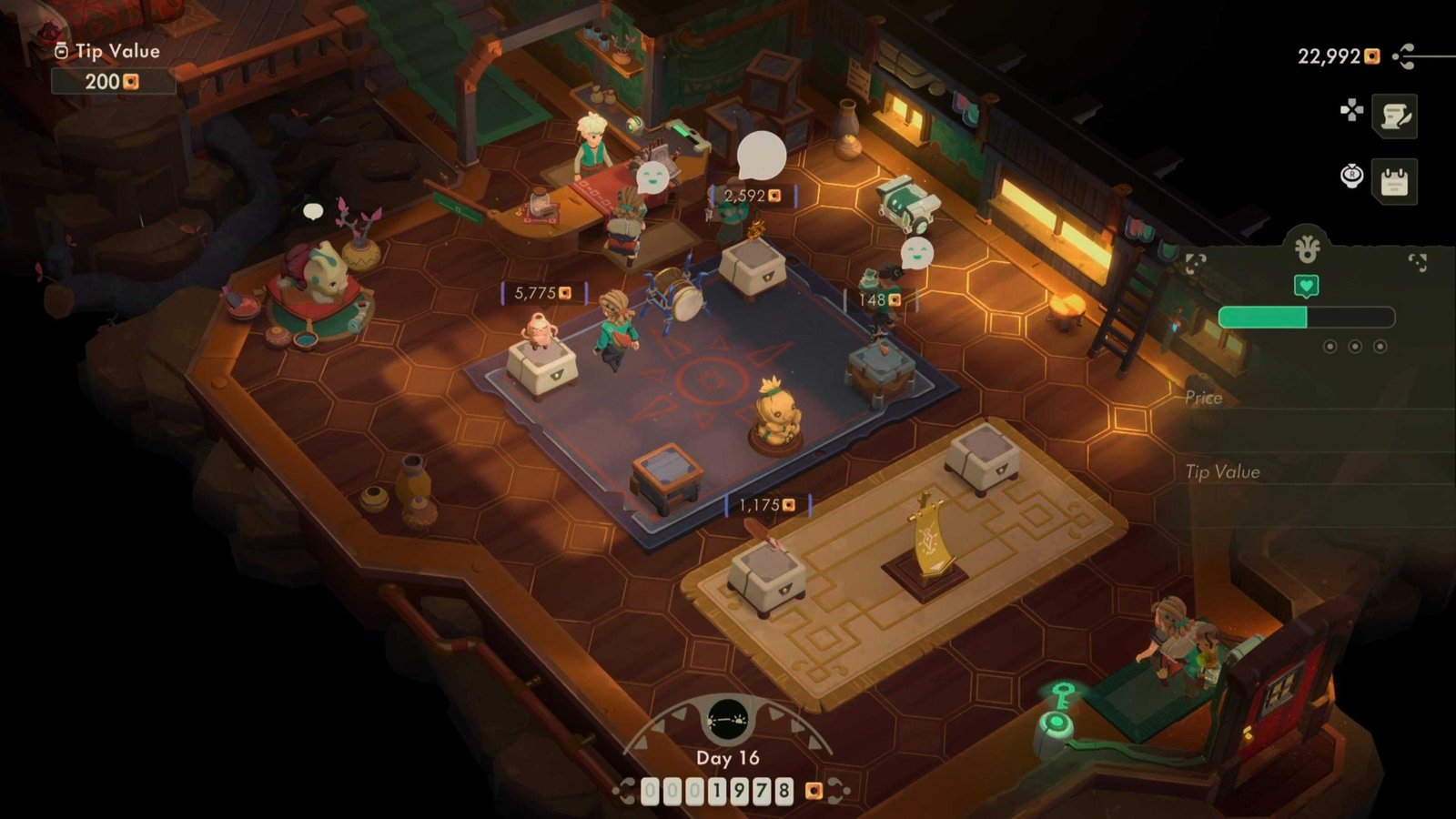
But, despite how fun this feels from one run to the next, and the warm fuzzy feeling each big sale marked at a perfect price point gave me. I couldn’t help but feel that it was a big step backwards from the original’s offerings.
Shopkeeping feels incredibly slow and not as interactive in this sequel. Offering some perks, and the chance to add furniture and Bloblets to your setup before opening the doors. But, after that, you’re just passively setting new items out on shelves, and waiting for the day to pass you by.
In short, it’s all the things that you loved about the original, just in a lesser form. It still scratches that shooperkeeper-meets-warrior dual-existence itch. But, at every turn, especially since the developers made the original game free-to-play, it made me question why anyone would decide to play this version rather than the much more interactive and engaging original.
Bag Boy Extraordinare
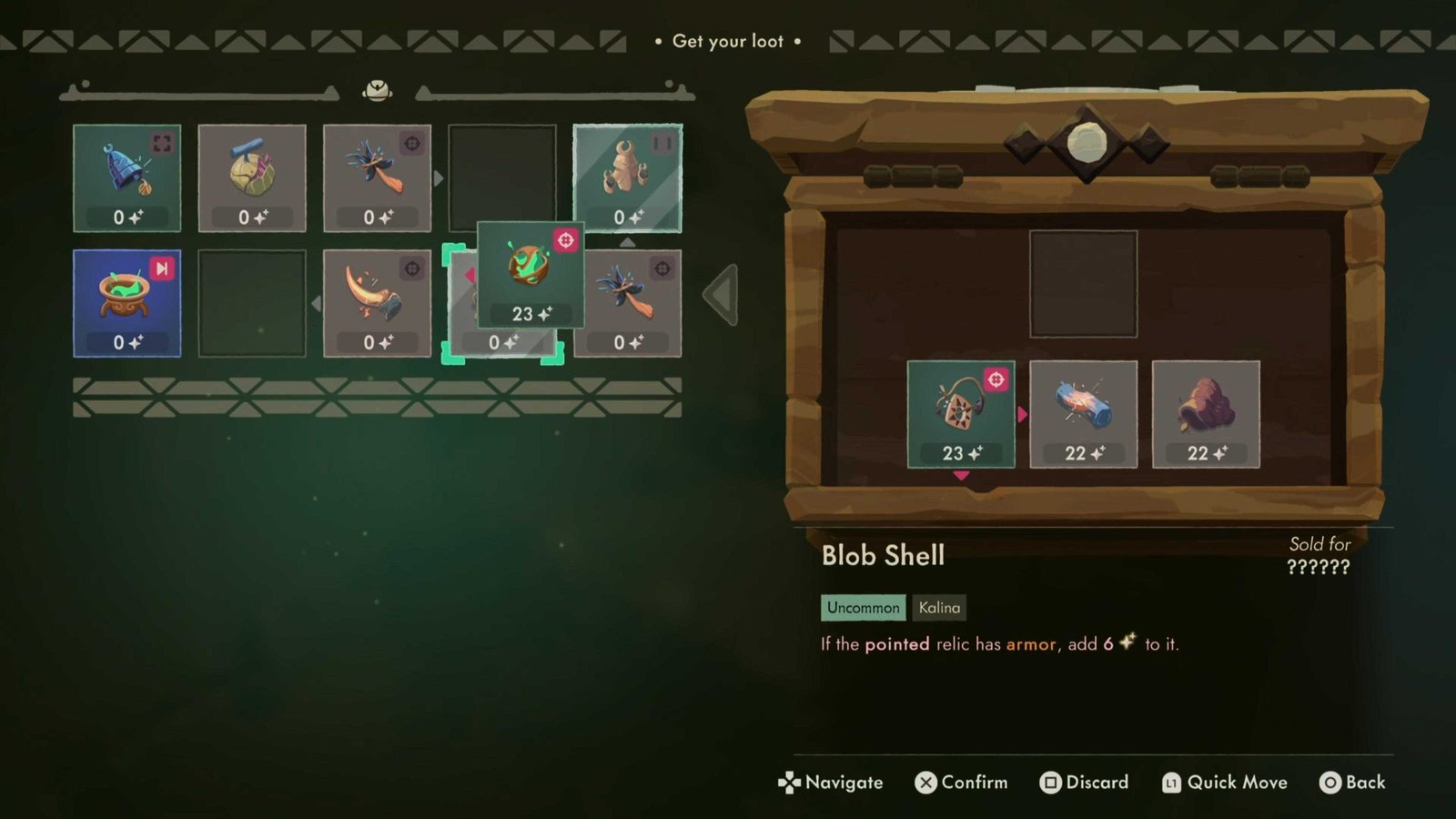
The overarching theme here, in case you didn’t notice, is that this sequel feels like a tired copy of the original that fails to elevate the product in any regard. That is almost entirely the case, but there is one part of this game that I did enjoy somewhat more than the original.
That is the inventory management. Players in this sequel have limited space in their bag, and need to optimize their bag placement to get the most out of each item, while using and sacrificing others to increase the value of marquee items.
Depending on the region you’re exploring, this might be overcharging an item to get a quick buff, burning an item to trigger the effect of another item in your bag, or placing an item in the corner of your bag to elevate the value of the entire row.
This limited space means that every item can be valuable, as even fodder can be useful to create opportunities for elevating higher value items. Plus, the change in gimmick from one region to the next are welcome to keep things feeling fresh.
The only negative that comes with this is that, if you’re particularly skilled, this system essentially limits the haul you can bring home with you, as the loot is limited, the slots are limited, and runs are pretty short overall. Meaning you’ll need to go out on lots of runs to progress at a solid pace.
A solution to this would have been the option to keep looping your runs, and being able to hop into new regions to keep improving your bag. But, the situation is what it is. You’ll need to go on relic hunt after relic hunt, no matter how skilled an adventurer you are.
An Imitation Underworld
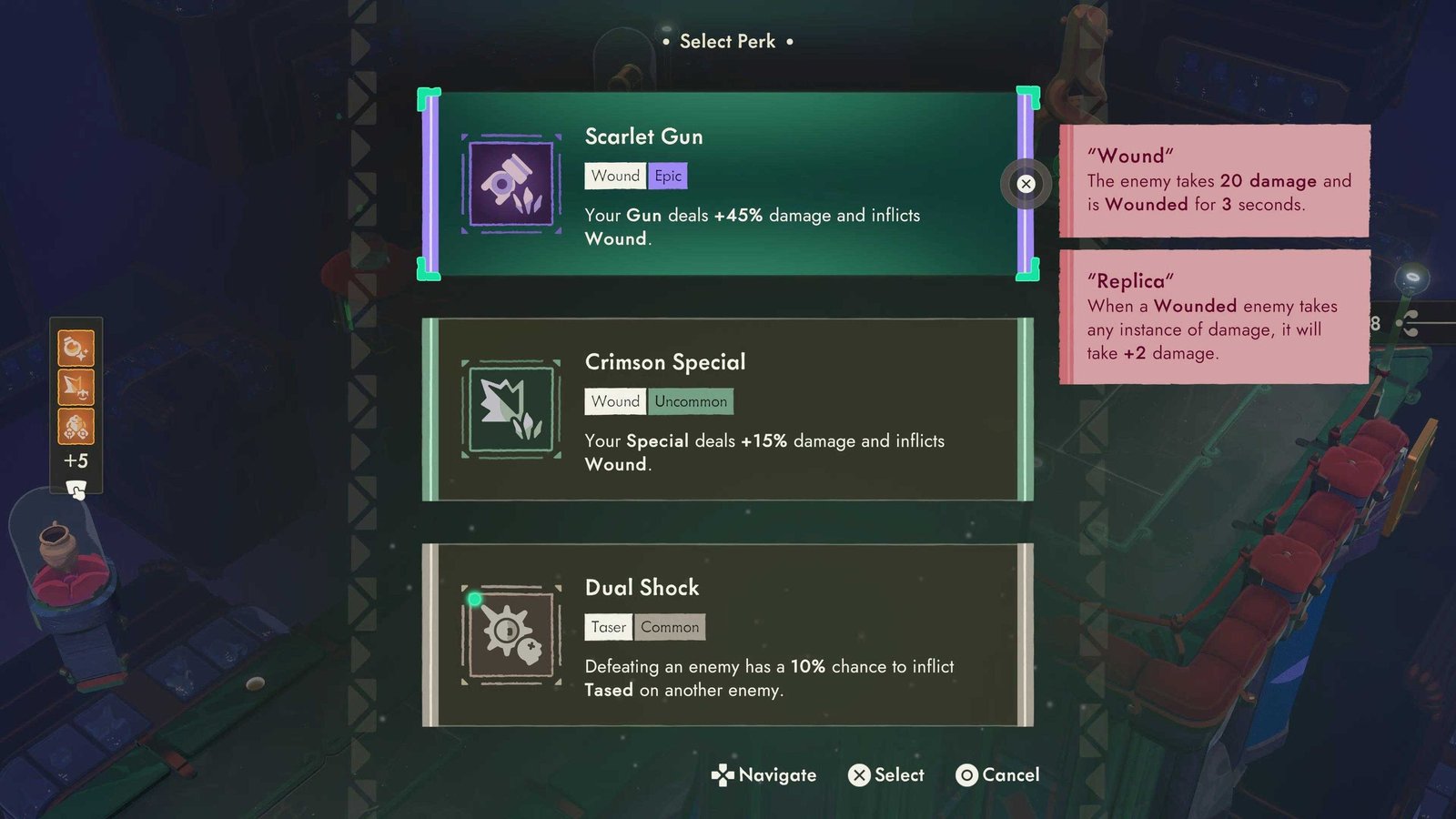
Perhaps the biggest reason why I will never love this iteration as much as I loved the original Moonlighter is simply down the the Hadesification of the core experience.
The original Moonlighter felt like a genuine dungeon crawler with a twist. Whereas this sequel feels like a cash-in on the success of Supergiant Games, and their beloved series, Hades.
If done well, this could have been interesting, as the Hades formula is a solid one that makes the loop of returning to your hub just as interesting as heading out and treasure hunting. Something that could have potentially blended perfectly with the shopkeeper format.
Not to mention, it makes each run feel distinct from the last. Something that I seen as a mild pain point in the original Moonlighter, as each attempt would feel exactly the same and would become annoying if you ended up getting stuck.
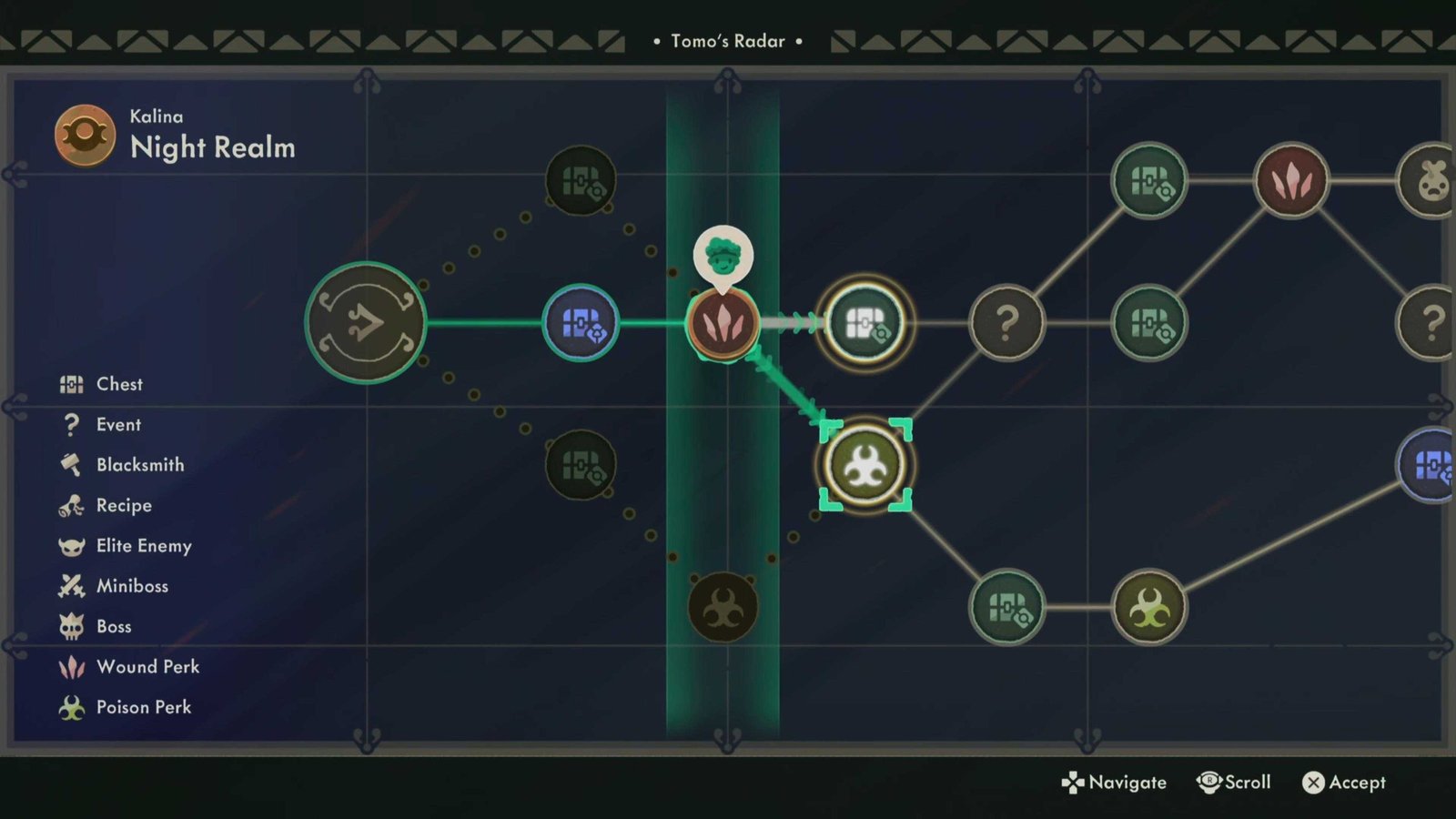
The issue is that Moonlighter 2’s homage to Hades is a lazy one.
The problem here is that the systems in play simply don’t have enough depth to offer combat scenarios, build options, and run variety that genuinely provide runs that feel distinct from the last.
Random events aren’t all that random at all, as they can only be one of two things. Perks are easily stacked and exploited in a way that doesn’t make the player feel clever, but rather showcases how shallow the systems at play are. Plus, the boss battles aren’t anything to write home about.
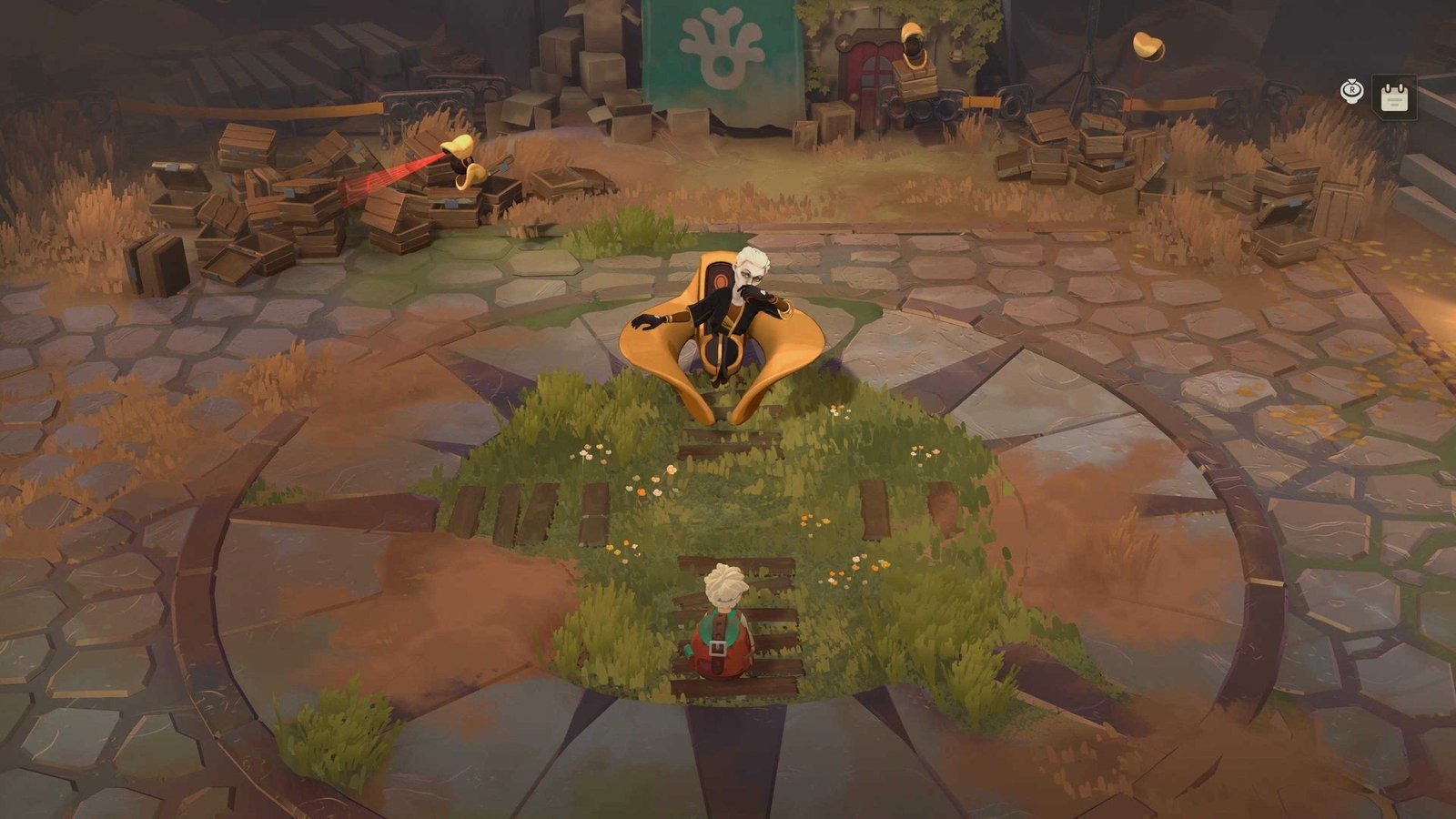
Not to mention, unlike Hades, the world, whether it be in Tresna, or out exploring, rarely changes. Tresna will get an occasional new merchant from time to time. But this only adds more attritional things to grind and add to your to-do-list, without ever elevating the story, adding to the gameplay, or making things more interesting.
There’s a reason Hades is so beloved and revered in the gaming space. It’s a roguelite that makes dying rewarding, progression feel earned, and each run feel like a new RNG-fuelled adventure.
Moonlighter 2 manages to emulate some of what Hades does on a very surface level. But in no way competently enough to justify copying Supergiant’s homework as blatantly as they have done here.
Moonlighter 2: The Endless Vault is an adequate sequel to a superb game that already delivered a near-perfect blend of dunegon-crawling and wheelin-&-dealin'. It's addictive, looks great in 3D, and has some interesting ideas on how to revamp the core gameplay loop. But, all in all, it feels like a lesser product to its predecessor in almost every way. Not to a dramatic degree, but enough that we would simply suggest playing the original instead.
Pros
- Fun new inventory management gimmicks
- Competent jump to 3D
- Core gameplay loop remains addictive as ever
Cons
- Feels like a lazy Hades clone
- Almost all systems feel like a downgrade
- Charm of the original feels largely absent
