


Tabletop players often look for video games that capture the same magic found in a good Dungeons & Dragons campaign. That usually means meaningful choices, memorable companions, tactical combat, and the thrill of exploring a dangerous world full of monsters and treasure.
While few digital games perfectly replicate the experience of sitting around a table with friends, several come surprisingly close.
Some emphasize party dynamics, others focus on world exploration, and a few replicate tabletop mechanics directly. It’s hard to find a game that captures every aspect of what you might like about D&D, but hey, you’re bound to find something on this list.
8.
Tiny Tina’s Wonderlands
Tabletop Looting & Shooting
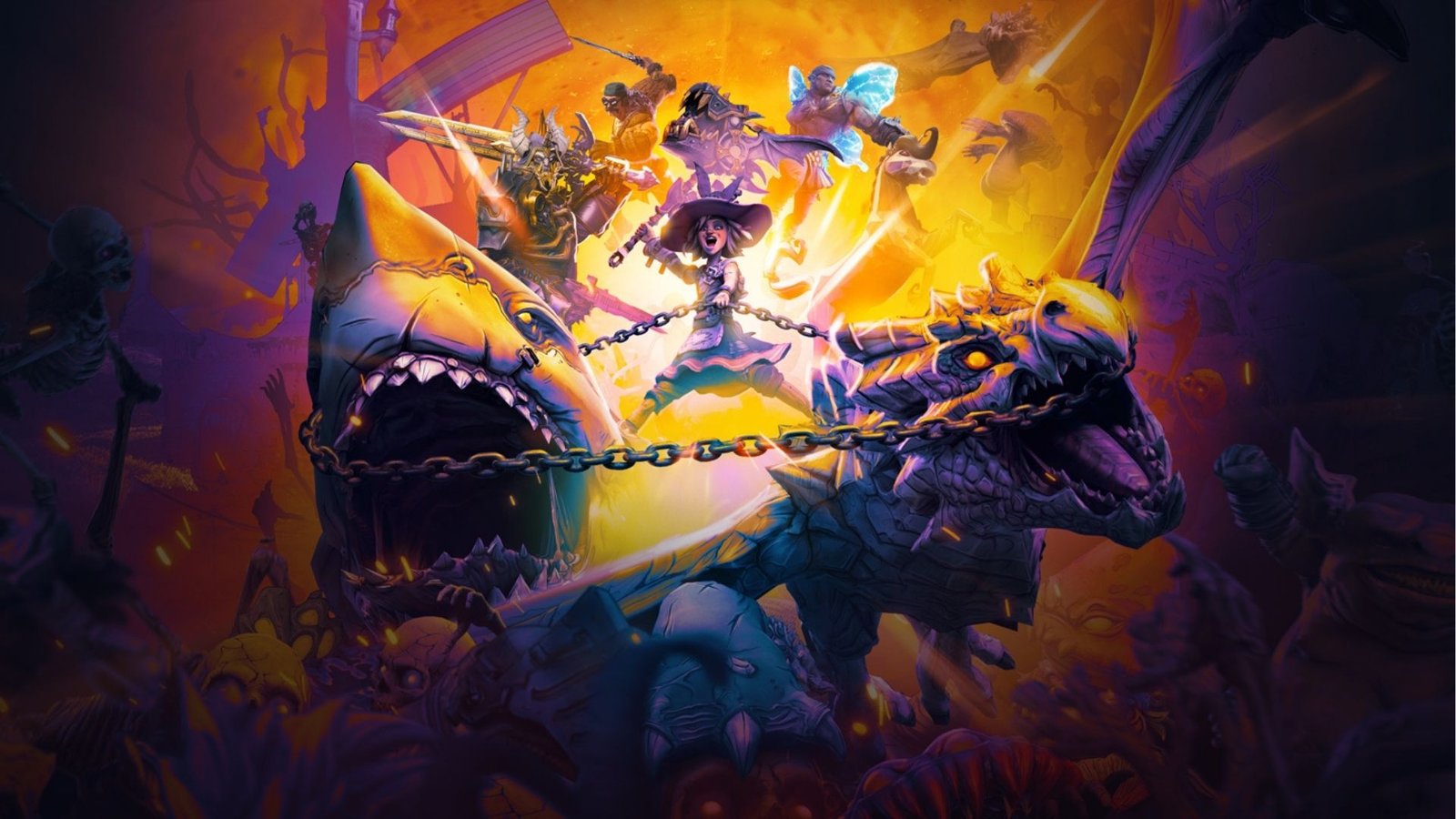
For many players, the most memorable part of a D&D campaign is simply gathering with friends and having fun together. Tiny Tina’s Wonderlands captures that social energy by presenting its entire world as a tabletop campaign imagined by Tiny Tina. The game blends traditional fantasy tropes with the chaotic humor of the Borderlands series, resulting in a colorful adventure full of dragons, skeleton armies, and absurd spells.
While the gameplay is a looter shooter rather than a traditional RPG, the framing device of a tabletop session makes it feel surprisingly close to a chaotic home campaign. Playing cooperatively with friends especially recreates the collaborative spirit that makes tabletop roleplaying so memorable.
7.
Dragon Age: Origins
As Good As DA Ever Got
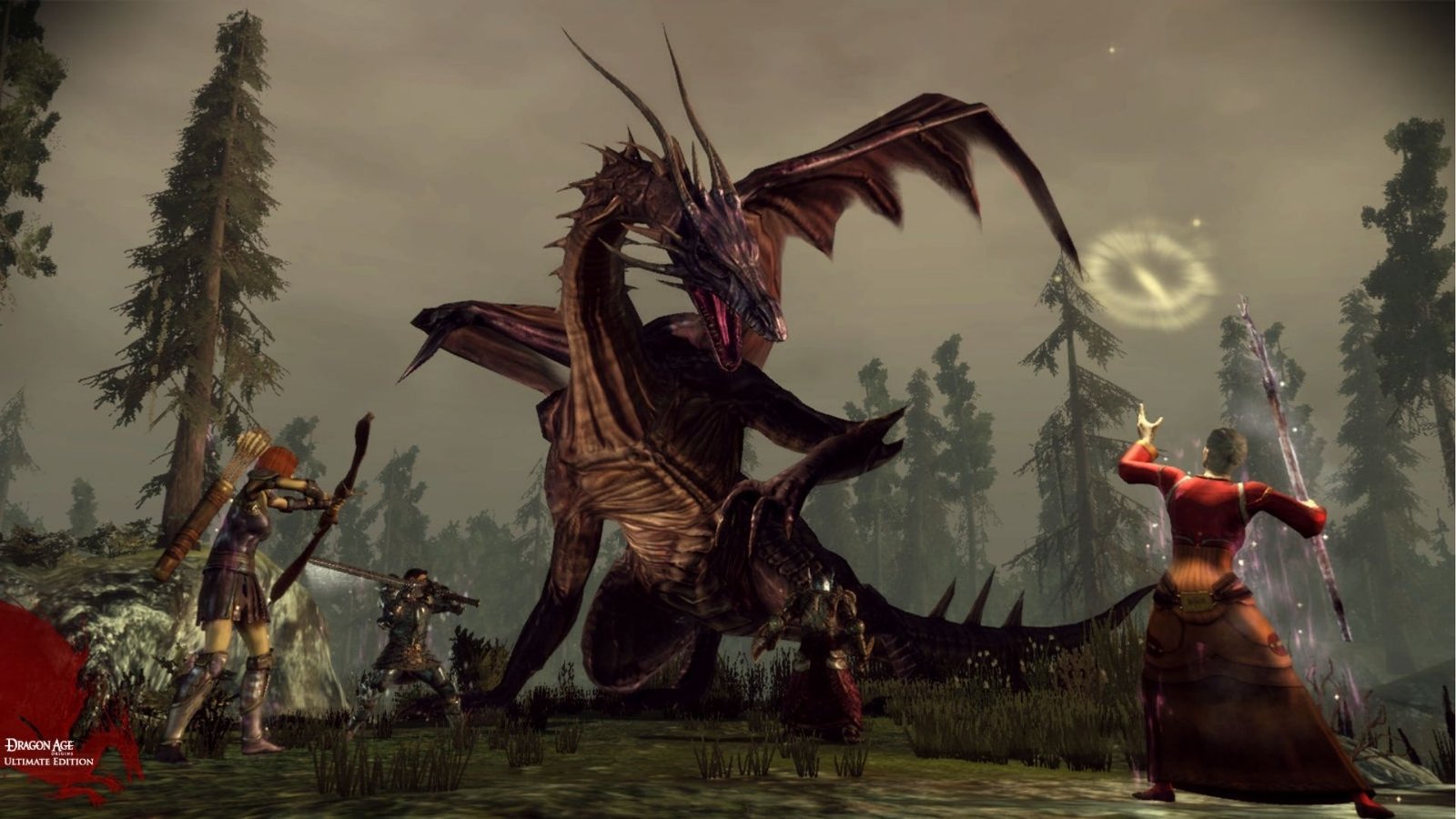
Among BioWare’s RPG catalog, Dragon Age: Origins is often considered the closest the studio came to replicating a tabletop fantasy campaign. The game emphasizes party composition, branching choices, and character backstories that meaningfully shape the narrative. Players recruit companions with distinct personalities and moral viewpoints, much like a D&D party with conflicting motivations.
Tactical combat allows for careful positioning and ability management, echoing the strategic nature of tabletop encounters. While later two entries in the series expanded the setting in interesting ways, the original game remains the most focused and mechanically grounded experience.
Dragon Age: The Veilguard feels less like a D&D campaign and more like a Marvel movie. To each its own, but if you want epic campaigns, either stop at Origins or at Inquisition at most.
6.
Pillars Of Eternity I & II
Obsidian RPGs Always Slap
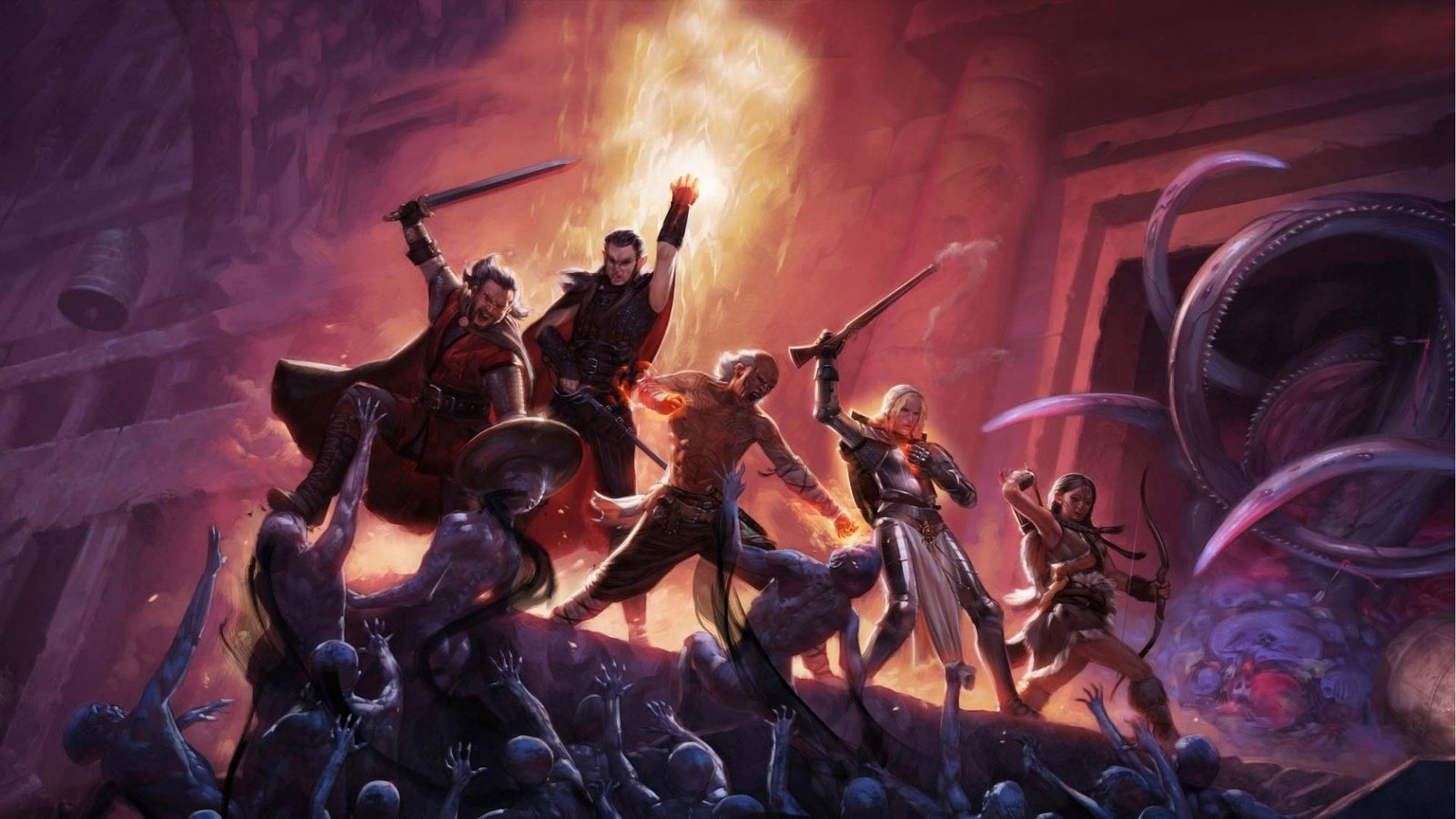
Few modern RPGs capture the depth of tabletop fantasy as effectively as the games developed by Obsidian Entertainment. Pillars of Eternity was designed as a spiritual successor to classic isometric RPGs, emphasizing tactical combat, party management, and a richly detailed world filled with political intrigue and ancient mysteries. Players build a full adventuring party and explore a setting shaped by complex lore, where nearly every quest can unfold in multiple ways depending on dialogue choices and character abilities. The game’s layered storytelling and mechanical depth make it feel very close to participating in a long-running tabletop campaign.
Pillars of Eternity II: Deadfire expands that formula into a far more open experience. Set across a tropical archipelago, the sequel introduces naval travel, allowing players to captain a ship and explore numerous islands filled with quests and hidden dangers. The freedom to travel across the Deadfire region reinforces the sense of being part of a roaming adventuring party. Companion characters remain a major focus, and the branching storylines continue to reflect the type of moral and political choices often present in tabletop campaigns.
5.
The Witcher 3: Wild Hunt
No D&D Rules, But D&D Vibes
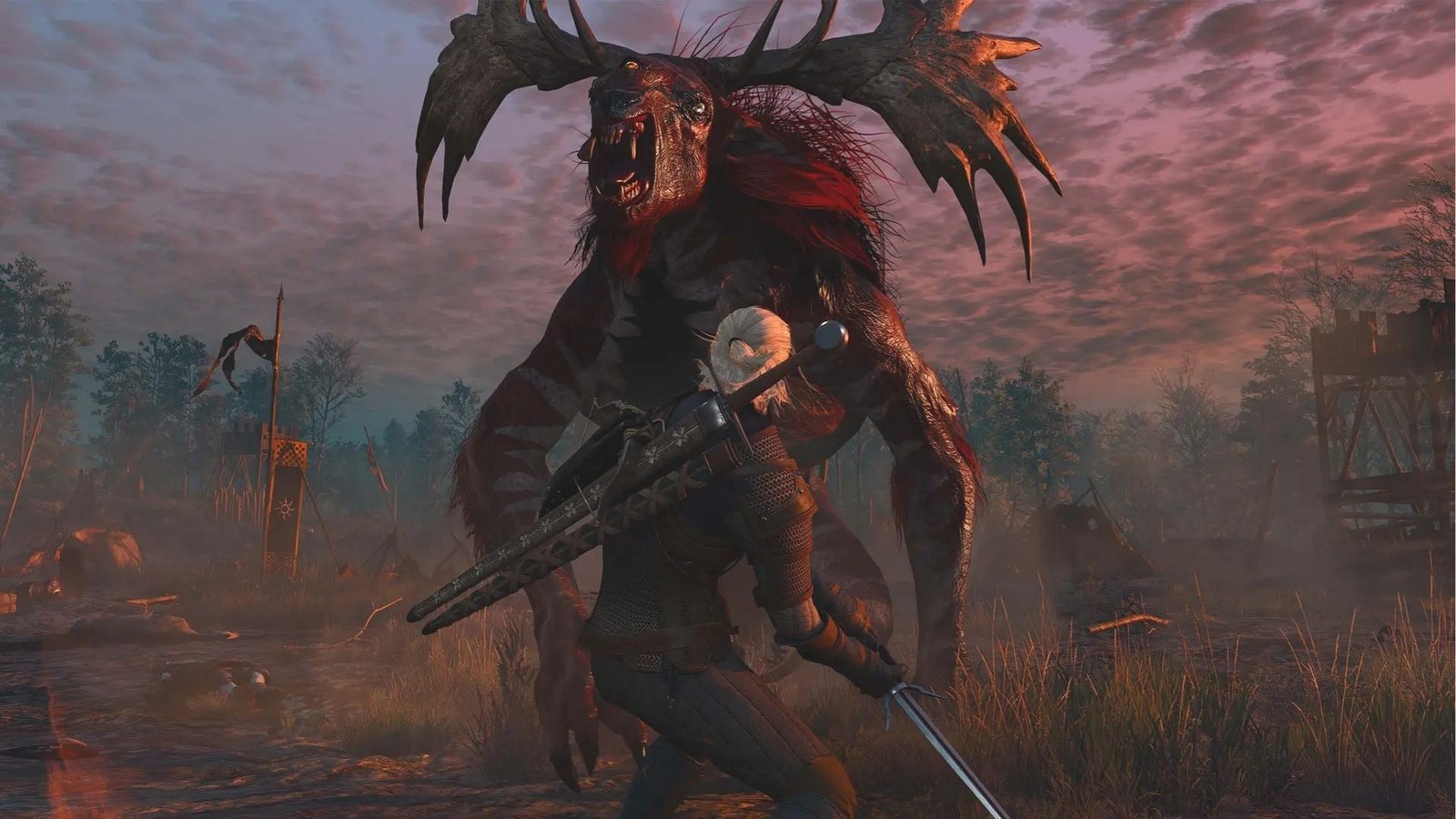
Unlike many RPGs that emphasize party mechanics, The Witcher 3: Wild Hunt focuses on the experience of wandering through a dangerous world as a professional monster hunter. In many ways, it mirrors the fantasy of being a lone adventurer taking contracts across a vast setting.
Players investigate supernatural threats, track creatures through forests and ruins, and uncover complex stories tied to each quest. The game’s moral choices rarely have simple answers, echoing the morally gray decisions often found in tabletop campaigns.
While it lacks the party dynamics of traditional D&D, the sense of exploring a living world filled with monsters, politics, and legends makes it deeply appealing to fantasy roleplaying fans.
4.
Elden Ring
D&D Level World Scale
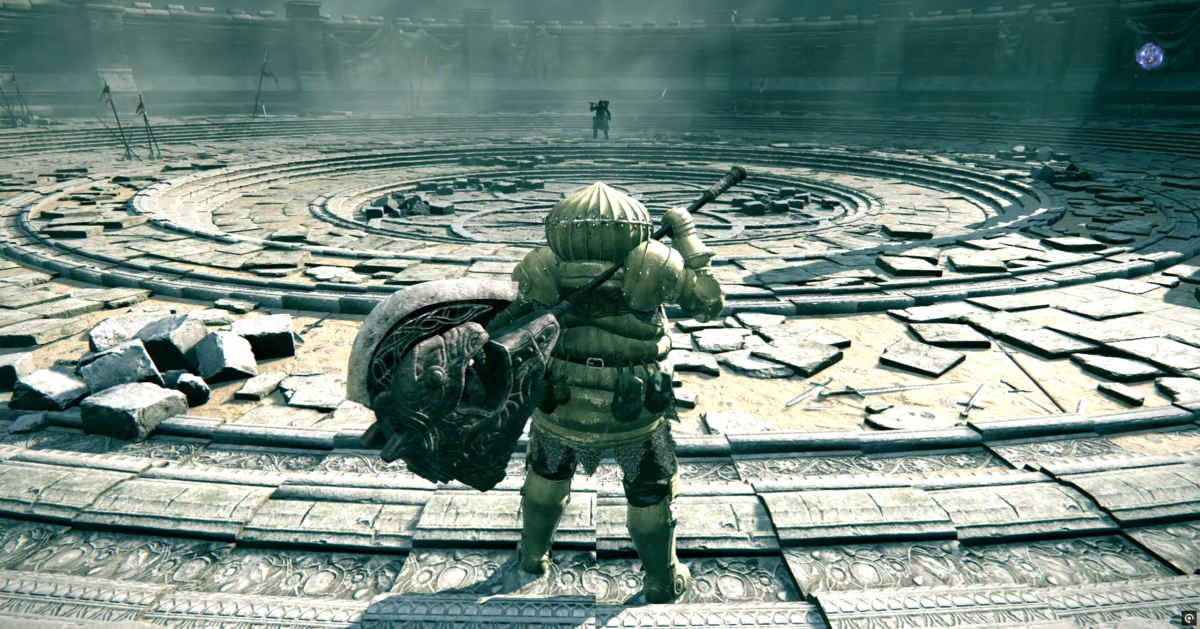
Many fantasy games feature dragons and magic, but few capture the feeling of exploring mysterious dungeons as effectively as Elden Ring.
The game’s open world encourages players to wander into ancient ruins, underground cities, and deadly castles with very little guidance. Every discovery feels earned, much like stumbling across a hidden dungeon during a tabletop session.
Combat is challenging and deliberate, rewarding preparation and careful positioning. Games like The Legend of Zelda: Breath of the Wild also capture the joy of exploration, but Elden Ring leans much closer to the darker tone and dangerous creatures often found in classic D&D settings.
3.
Baldur’s Gate 3
The ‘Low Hanging Fruit’ Entry

It almost feels unnecessary to mention Baldur’s Gate 3, since it is literally built using the mechanics of the fifth edition of Dungeons & Dragons. Developed by Larian Studios, the game faithfully recreates dice rolls, spells, and class abilities while expanding them into a cinematic RPG experience. Players can approach situations in countless ways, from diplomacy to stealth to outright chaos.
The companions feel like members of a real tabletop party, each with strong personalities and evolving storylines. While Solasta: Crown of the Magister also replicates the rules of fifth edition very closely and even has a sequel in development, Baldur’s Gate 3 remains the most widely celebrated digital version of a D&D campaign.
2.
Wildermyth
Co-op Campaigns Galore
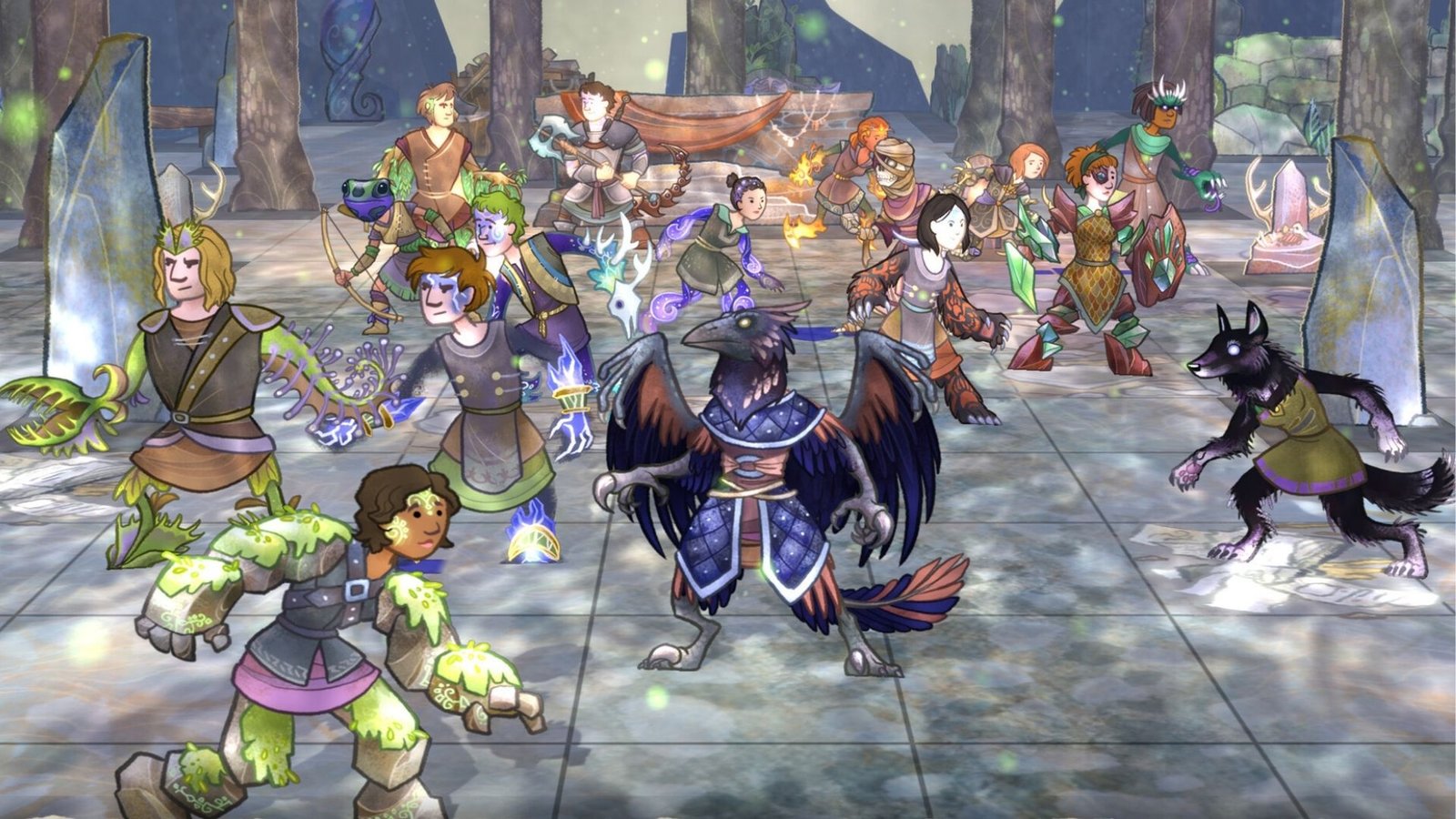
Few games capture the long-term storytelling of a tabletop campaign as well as Wildermyth. Instead of focusing on a single adventure, the game tracks characters across multiple story arcs where they age, change, and eventually become legends.
Heroes may lose limbs, gain magical transformations, or retire after years of adventuring. Future campaigns can even feature the descendants of earlier characters, reinforcing the feeling of a living world shaped by past heroes.
The procedural storytelling system ensures that no two campaigns unfold exactly the same way. For players who love watching their characters evolve across a full narrative arc, Wildermyth captures the generational storytelling that often defines memorable tabletop campaigns.
1.
Esoteric Ebb
Disco-like D&D
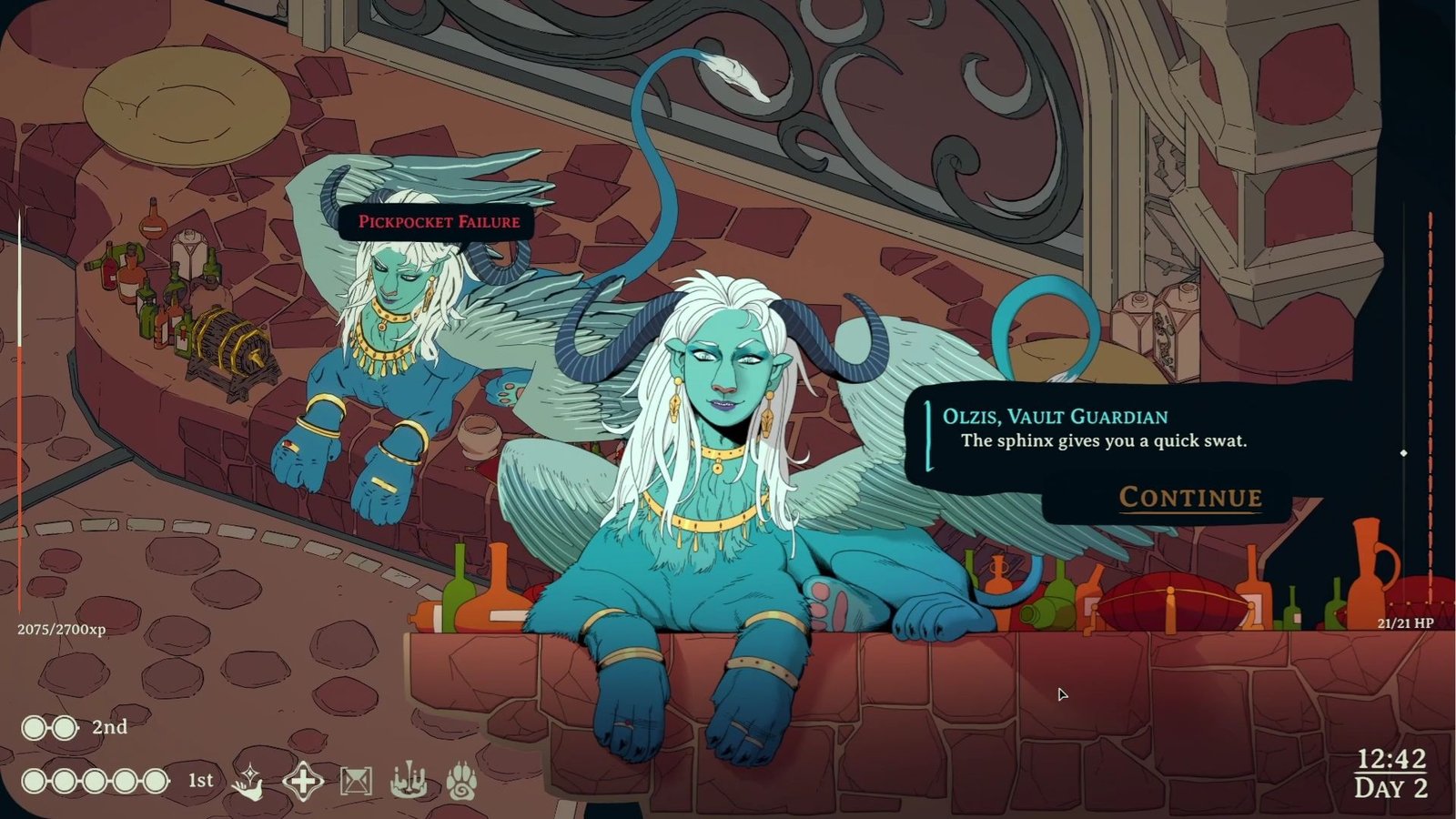
For players who enjoy the lore-heavy and philosophical side of D&D settings, Esoteric Ebb offers a unique experience. The CRPG places players in the role of a cleric investigating a mystery in a bizarre fantasy city, using dice rolls, branching dialogue, and open-ended quests to shape the story.
The game blends traditional tabletop mechanics with a narrative style reminiscent of Disco Elysium, focusing heavily on dialogue and character-driven choices.
The setting mixes magic, politics, and surreal fantasy elements, creating a world where decisions can lead to wildly different outcomes. While still early in the year, this is already my pick for GOTY of 2026.
