

The original Deep Rock Galactic is undoubtedly one of my favorite games of all time. I started playing in the first season and grinded through everything the game has to offer, collected Overclocks, played through weekly Elite Deep Dives, and even collected cosmetics in the game’s generous and accessible season pass. Although I started playing less during the tail end of Season 4, I would occasionally jump in with my friends just for the fun and challenge of Elite Deep Dives.
Deep Rock Galactic is one of the pinnacles of coop PVE, alongside Left 4 Dead, Warhammer: Vermintide 2, and even Helldivers 2 for that brief moment after its release. It perfected its formula from the start with its masterful procedural cave generation, great meta progression, along with the freedom to experiment with builds, unique mission types, and of course, the fun moment-to-moment gameplay—from gunplay, class design, to mining.
I’ve said all of this because Ghost Ship Games captured lightning in a bottle with Deep Rock Galactic. However, in Deep Rock Galactic: Rogue Core, taking these gameplay mechanics away from the source highlighted that they worked cohesively to make the base game iconic, but fell flat individually.
With nearly 250 hours in the first game and 40 hours in this roguelike spinoff, I could say that Rogue Core has the bones of something special brewing, and this Early Access period is pivotal in ironing out some of the worst parts of the game to make it worthy of the Deep Rock Galactic name.
Familiar gameplay, new pressure
Deep Rock Galactic: Rogue Core is not a direct sequel to Deep Rock Galactic, yet it doesn’t shy away from its source material. Ghost Ship Games takes the bones of the original formula and creates a roguelite that’s intense to the point of exhaustion.
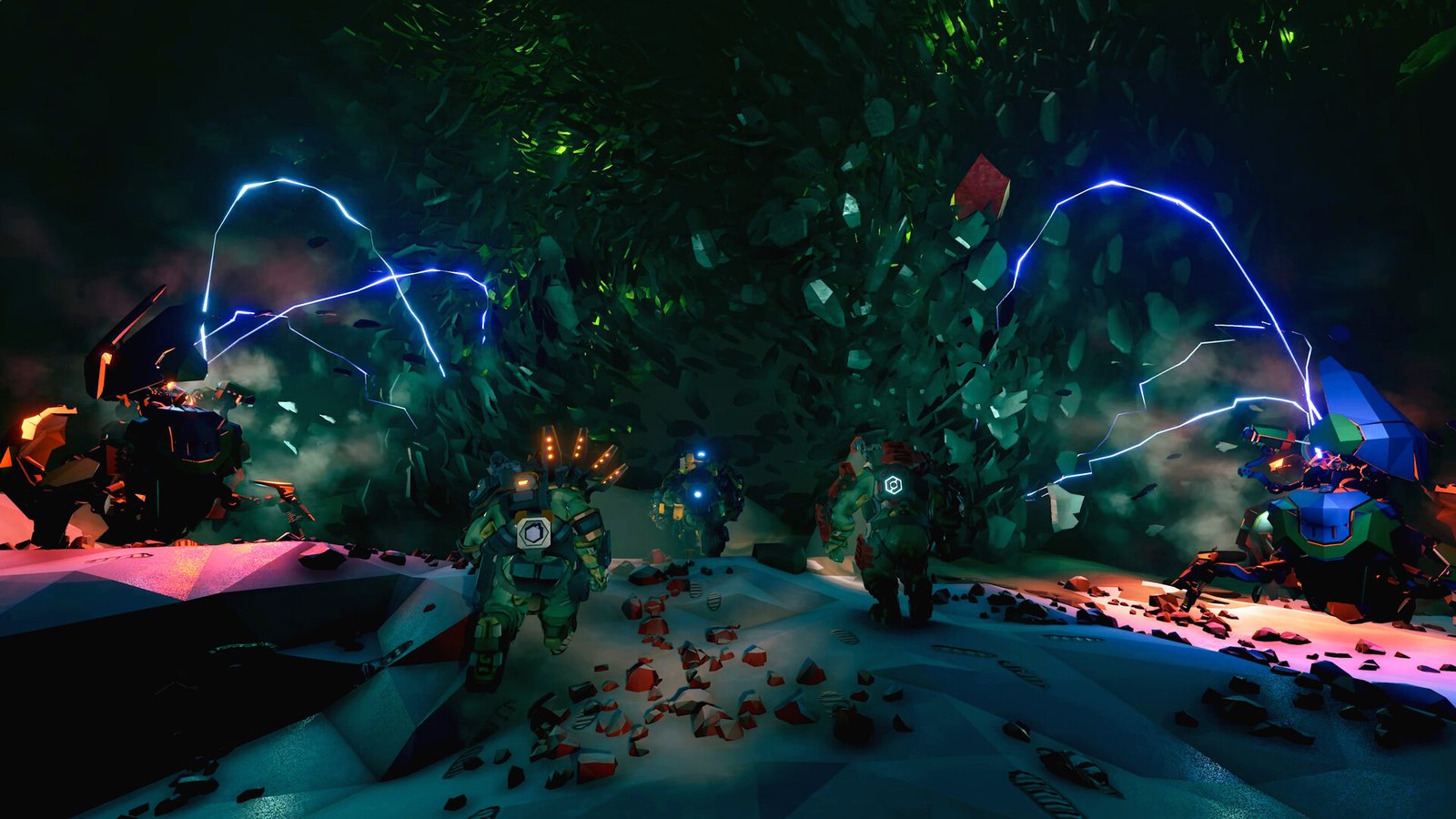
Rogue Core has no major differences from the DRG when it comes to the actual gameplay. Even though these Reclaimers are an elite security force, they still move, shoot, and fight like their miner counterparts. It’s an uninspired choice to have these supposed specialized fighters share the same basic moveset, including choices like slowing down to a crawl when using the melee pickaxe.
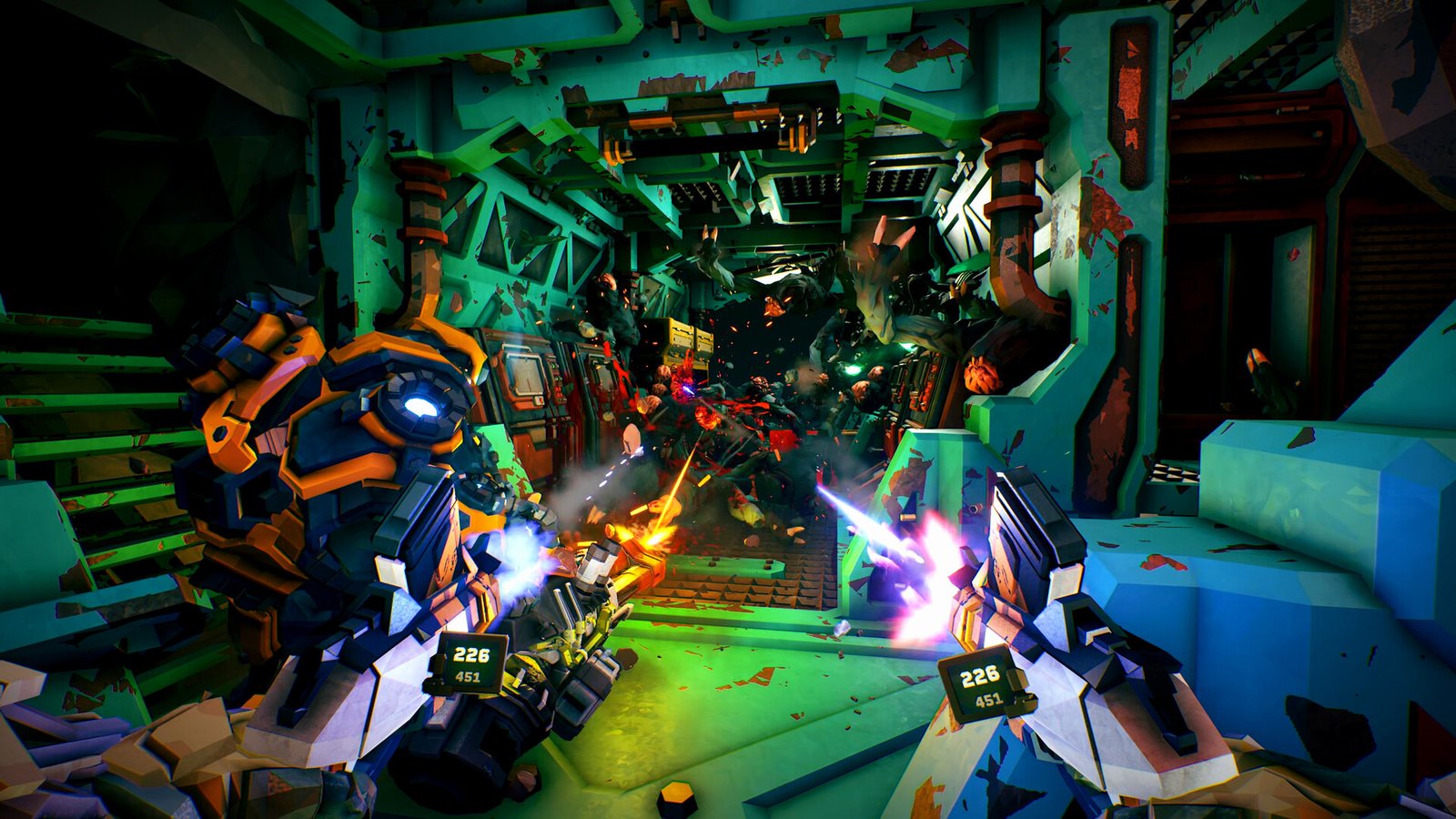
On the ground level, Rogue Core feels great because Deep Rock Galactic has always felt good to play. In combat, moments like the sound of continuous dinks from the Deepcore Assault Rifle pelting a weakspot or shooting a grenade launcher at the cavern walls, then watching the aliens explode and scatter into the abyss never gets tiring. Rogue Core even replicates the feeling of cohesion as the team works together to make the hostile landscape passable with their traversal tools. Most of these great verbs and gameplay systems were inherited directly from DRG.
Where Rogue Core starts to deviate is how it uses the roguelike structure to build around the familiar gameplay. Instead of entering the run with a custom loadout, players will play as one of the five new classes and start the mission with nothing but their cosmetics and passive enhancements. Everything—and I mean everything, from weapons, equipment, grenades, and perks—will be found and earned during the run.
It’s a great change of pace to move away from the carefully optimized builds of Deep Rock Galactic, into something that players will have to build on the fly. Unlike other roguelikes where players build their character in isolation, Rogue Core introduces an interesting and original idea to coop games, Negotiations.
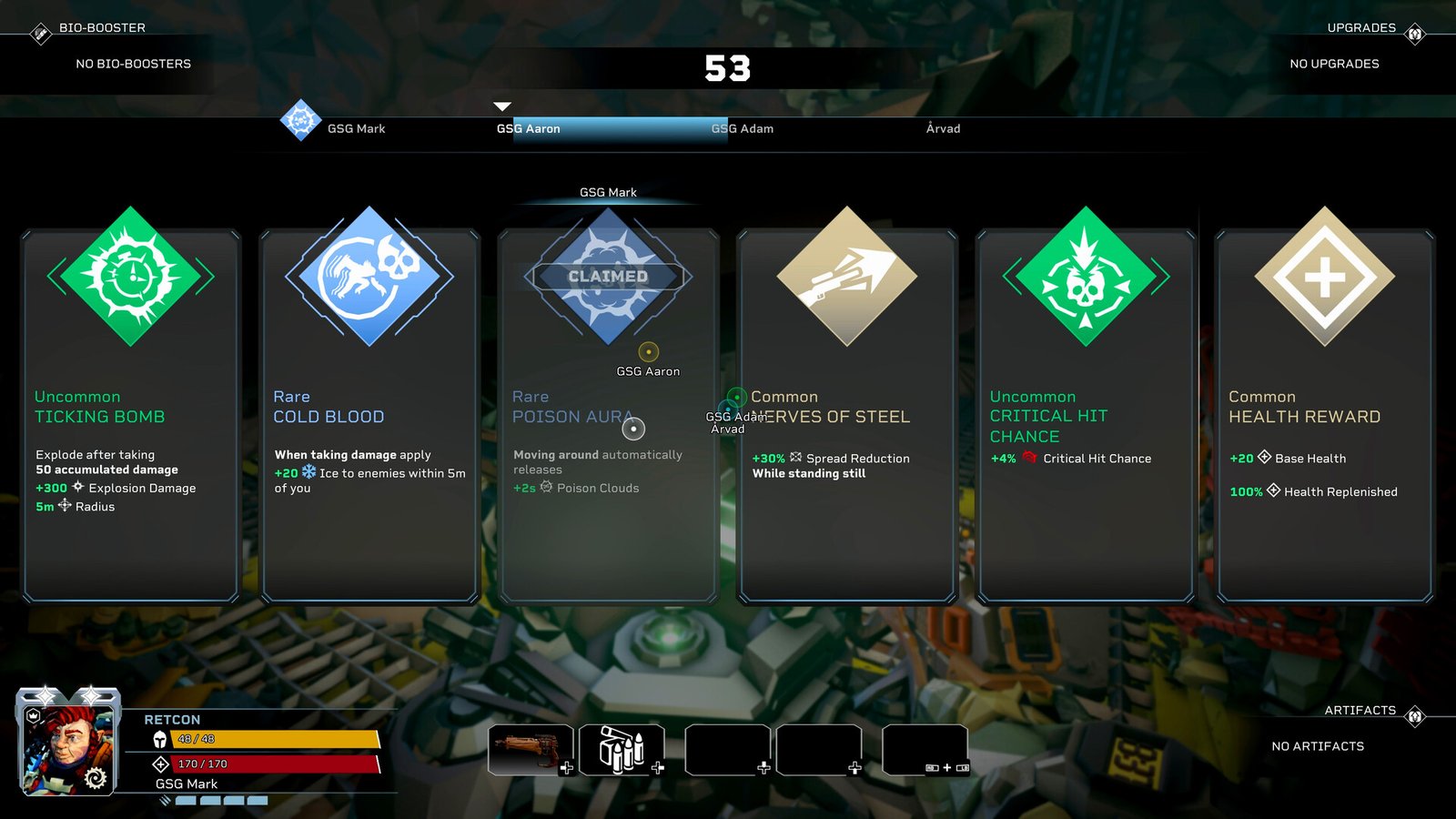
When the team has gathered enough Expenite (the only mineral available to mine in the game), all players need to huddle up near the drone to start a Negotiation. This will open a menu where all players take turns choosing from a pool of upgrades. This shared upgrade system turns buildmaking into a social experience where players will discuss builds and decisions for the betterment of the team. My experience with randoms has been largely positive, too, as letting the team know in advance what build and keywords you’re looking for goes a long way.
There are valid complaints about this system, such as how pausing the action slows down the game, or how it’s annoying that the game forces players to huddle to activate it. Ghost Ship Games has time to iron out the clunkiness during the Early Access period, as long as they keep the core system of Rogue Core’s best idea. For now, players can resort to Rogue Core mods to lessen some of these friction points.
The most controversial system in Rogue Core is the mission Timer, which affects every decision players make during the run. Rogue Core’s mission structure has players descend multiple caves until they reach the bottom to fight the boss. Players have roughly 10 minutes to reach the elevator before an endless horde starts spawning. Turning time into a resource makes the game have a faster pace, where teams have to decide if they have enough time to spare to complete an event or hunt for more upgrades.
On its own, the Timer is a great idea, and Rogue Core would easily lose its identity without it, turning the game into another version of DRG. However, the issue is that the systems the game inherited from DRG are naturally at odds with the Timer. Actions like exploring and creating paths, regrouping for shared upgrades, fighting swarms, events, and mining take up time. Every choice has weight, but also creates this punishing effect where bad starts will snowball into miserable runs, where players are underpowered and rushing to the next elevator. Don’t forget, this is taking coop in mind, as Rogue Core isn’t as solo-friendly as the base game.
Rogue Core has fun runs beneath all the repetition
Once I’m in an actual run and going through the motions, the game is undeniably fun. However, Rogue Core is the antithesis of variety, and its uninspired choices become harder to ignore the longer each session goes on. The best roguelike games like Hades 2 never feel repetitive because each run can fundamentally feel different from the last, which is something that Rogue Core desperately needs to address.
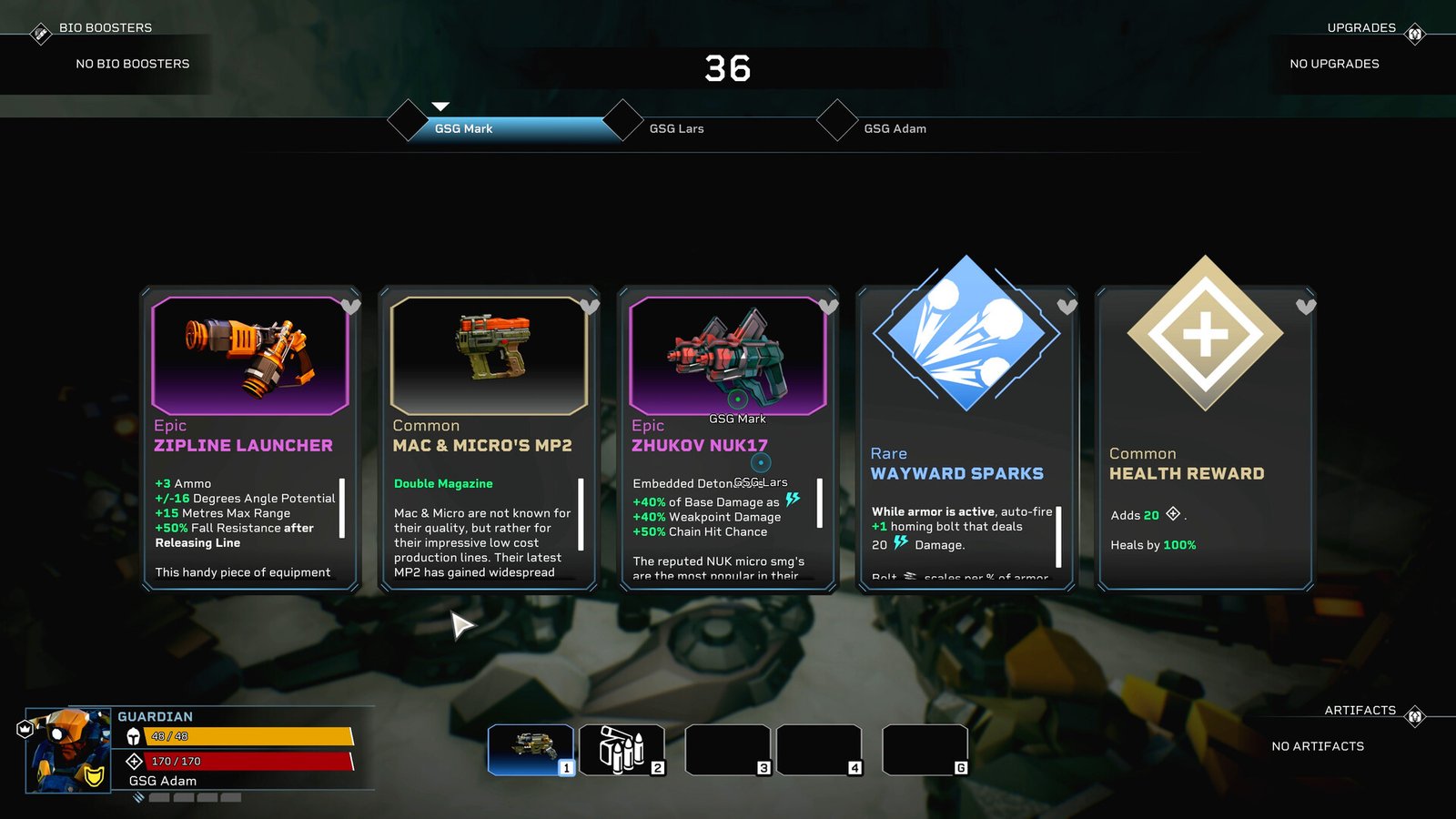
The biggest culprit is the gear and upgrades. Rogue Core’s weapons are functional and generic, especially when compared to the zany sci-fi arsenal of the mining crew. In Deep Rock Galactic, players would usually find a weird Overclock that changes the way the weapon functions, and they immediately go into a frenzy just to get it to work. In Rogue Core, players see a futuristic military gun and find upgrades to make its stats hit harder, as they lack options to exploit its unique effects for memorable runs.
Upgrades, even all the way to legendary ones, rarely define the build. This also applies to the class-exclusive upgrades found in Workshops and Bio Boosters, modifying each class’s abilities. For example, the Guardian class has fun upgrades that can turn him into an AoE beast, while simultaneously having choices that are a waste to get, like increasing the damage of his weak Concussive Grenades.
This dullness extends to meta-progression. Enhancements should feel exciting and give players a solid reason to take risks to earn more Reclaimer points. Right now, they lack the impact of perks from the first game and are passive bumps to make stats like Crit and Melee Damage go up. A little meaningful customization before the game begins will go a long way in opening up how players could reshape each run.
The worst offender is about Deep Rock Galactic’s defining feature, procedural cave generation. Rogue Core has the semblance of Ghost Ship Games’ excellent cave generation, with impressive terrains that are dark, hostile labyrinths. However, Rogue Core streamlines this by attaching a glowing power cable that literally leads teams to the exit. Again, this game isn’t meant to be DRG 2, but the deemphasis of exploration and its unique mission objectives makes the defining caves feel more like backdrops to traverse, instead of becoming a game mechanic to solve.
Rogue Core is promising, but come back in a few months
Rogue Core is not a bad game. If you like the core combat of Deep Rock Galactic, this is easy to recommend as a way to reexperience the usual cave crawling with more randomness. It’s still a great game to play with friends since it comes from one of the best coop PvE games ever made. Rogue Core is more than capable of delivering the thrill of working together as a team to overcome desperate moments.
However, this Early Access needs a bit more content, variety, optimization, and gameplay fixes before it can feel like a meaningful standoff. Rogue Core is functional and has flashes of greatness, and I fully believe that Ghost Ship Games can strike gold twice with enough time.
