

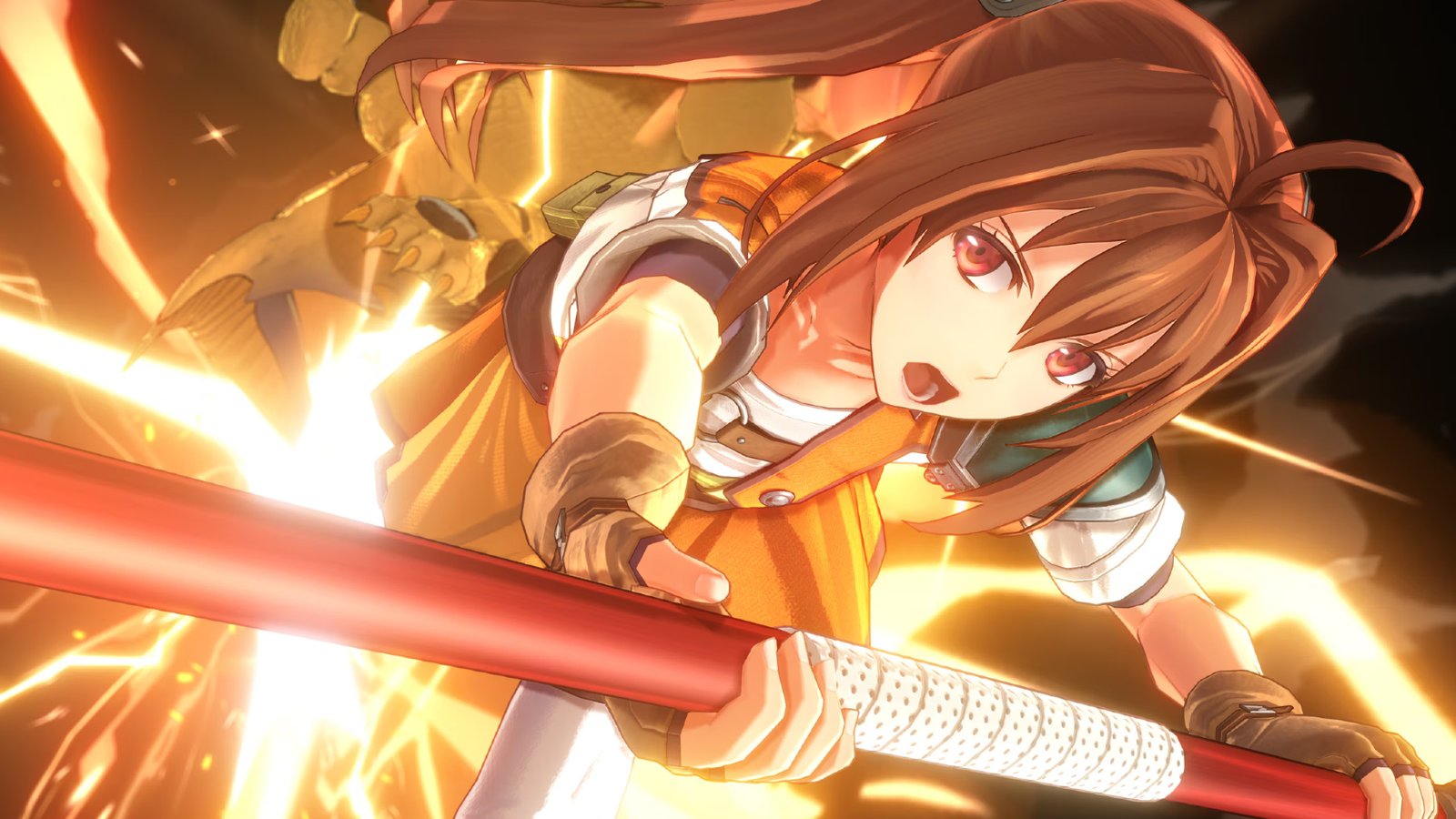
Two decades ago, the original Trails in the Sky Second Chapter (SC, for short) was released in Japan, marking the arrival of a classic RPG that was not called “Final Fantasy” or “Dragon Quest” at a time when those two brands were pretty much the norm in the entire genre. And now, we have a remake of it.
Not just a remake, mind you: a beautiful, well-crafted, and classic-yet-innovative take on the RPG setting that, much like its original predecessor, goes to great lengths to cater to every RPG fan—even though it falls just short of that at specific moments.
This is our spoiler-free review.
Storytelling at its finest (though not for everyone)
I’ll come right out of the gate by stating this: story-wise, Trails in the Sky Second Chapter is not your average cup of tea. One of the quirks of most popular RPG franchises is to throw you into the action either right at the beginning or, at the very least, in the first few minutes after some contextual cutscenes.
That’s all well and good, of course, but Nihon’s style is a more…long-winded one: in this specific game, the very first dungeon (where you actually have free character control, menu access and whatnot) only came around after the one-hour mark, and everything before it was made of several dialog lines, cutscenes, and the occasional introductory, singular fight.
The expression you’re looking for here is “slow burn”. Before you do most of the things that make this game an actual game, you’ll do a lot of reading and watching.
Granted, this is not everyone’s cup of tea, but it is important, as the dialog and worldbuilding in Trails in the Sky Second Chapter is progressive, meaning the same character will deliver different lines of dialog depending on where—and when—you are in the game, and this carries over to other key aspects of the game, as a random NPC on the first leg of the game may be the main interface of an important quest later, for instance.
So, unlike modern-day RPGs, the lore in Trails in the SKY SC actually comes first. And you should pay attention to it. If you played the original game, then you know what you’re in for: the same main characters, Estelle and Joshua, are now separated, each with their own story arc, for reasons I cannot dive too much into for the sake of spoiler preservation. Both, however, are in the fight against a secret society known as “Ourobouros,” which secretly commands world affairs, being the architects of many of the political intrigues seen in the first game, as well as this one’s.
But the story doesn’t just stop at the lore. Its key gameplay elements are deeply connected to it. For me, this was shown in the small stuff: the game dedicates specific lines of dialog, for instance, to explain why Estelle lost all her abilities and powers from the previous game, smartly introducing the otherwise known trope of “same RPG protagonist finished the first game all powerful but had to start over in the second” —which leads us to the next point.
Gameplay mixes classic and modern elements in the best format yet
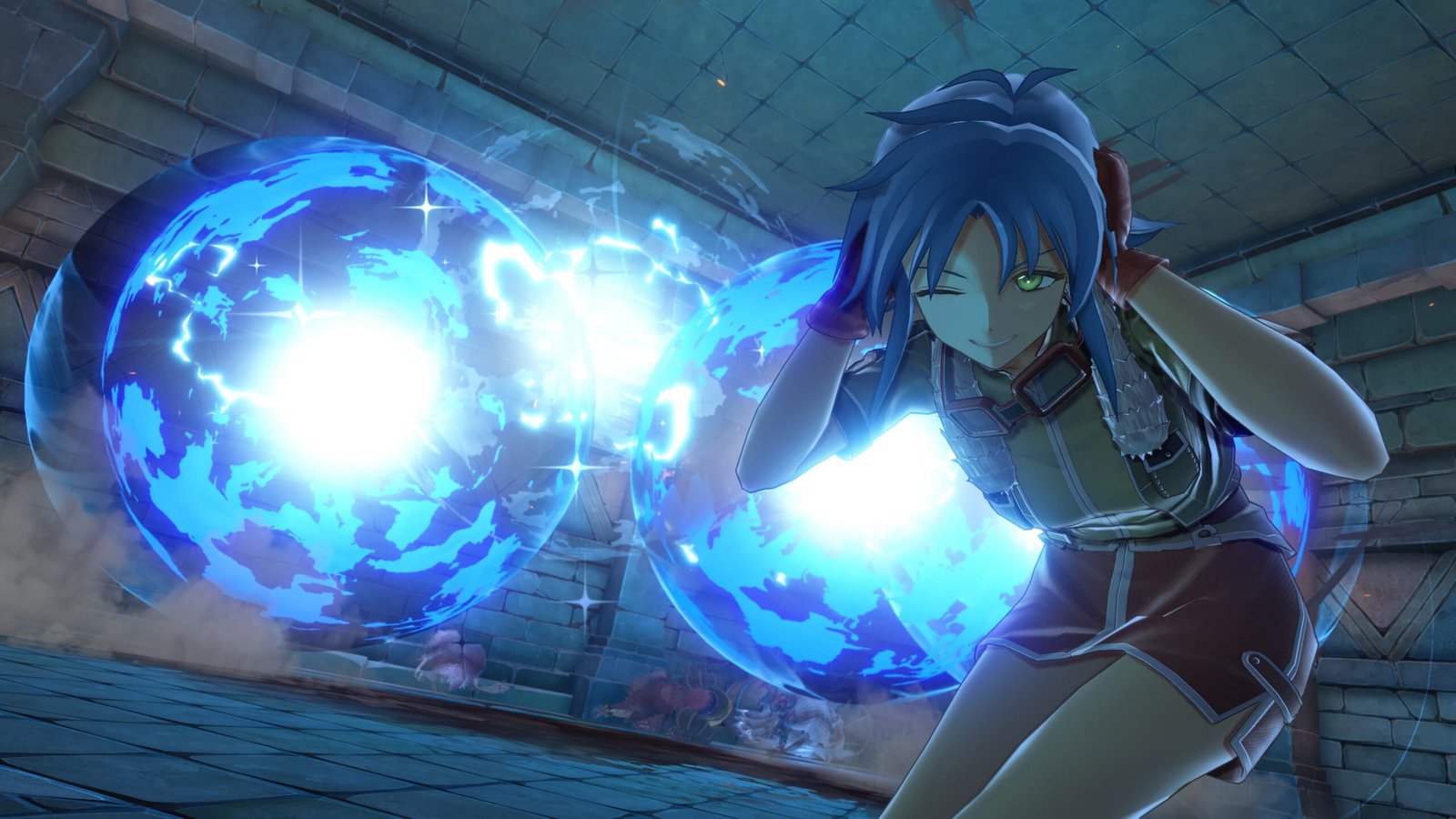
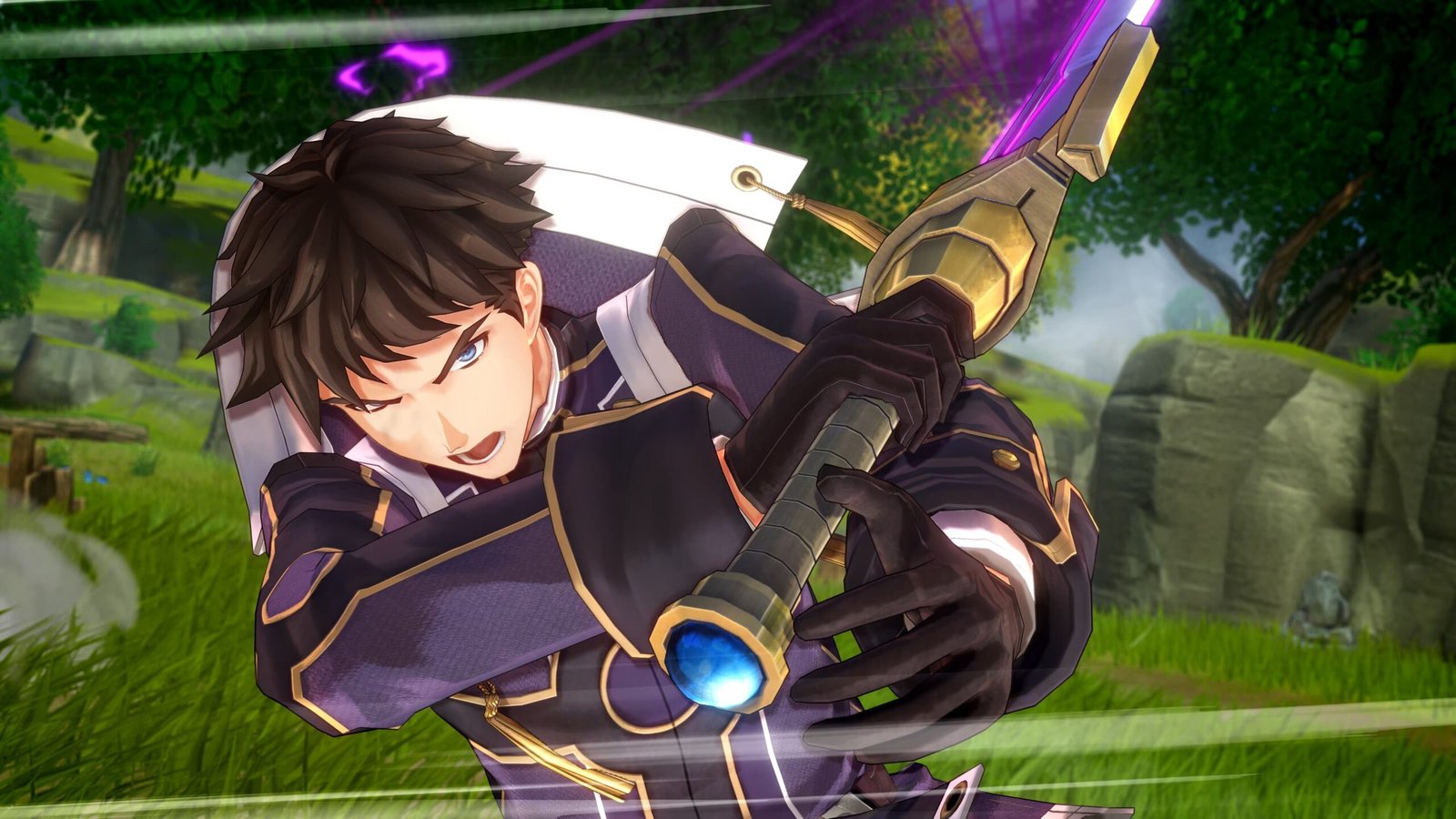
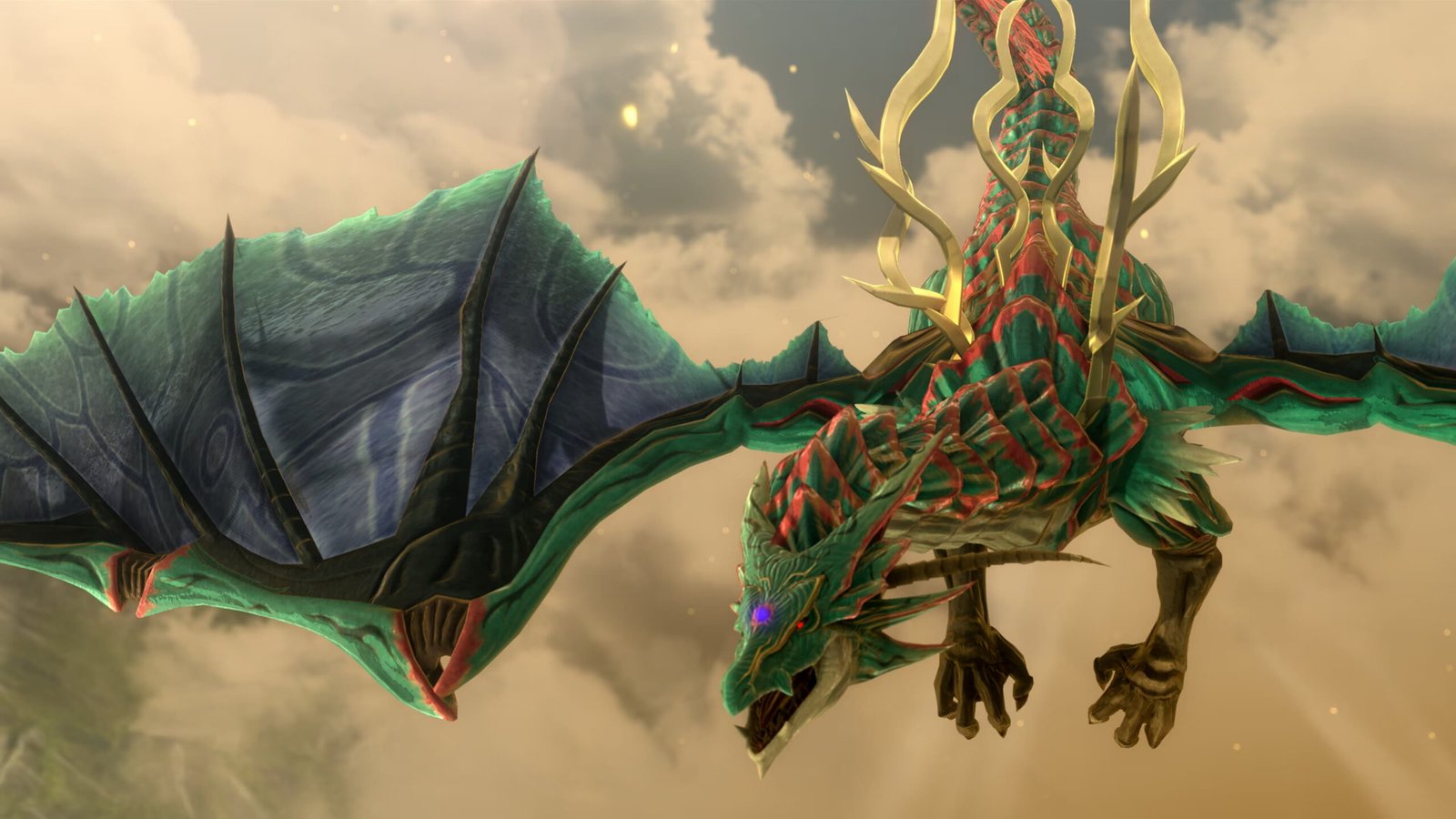
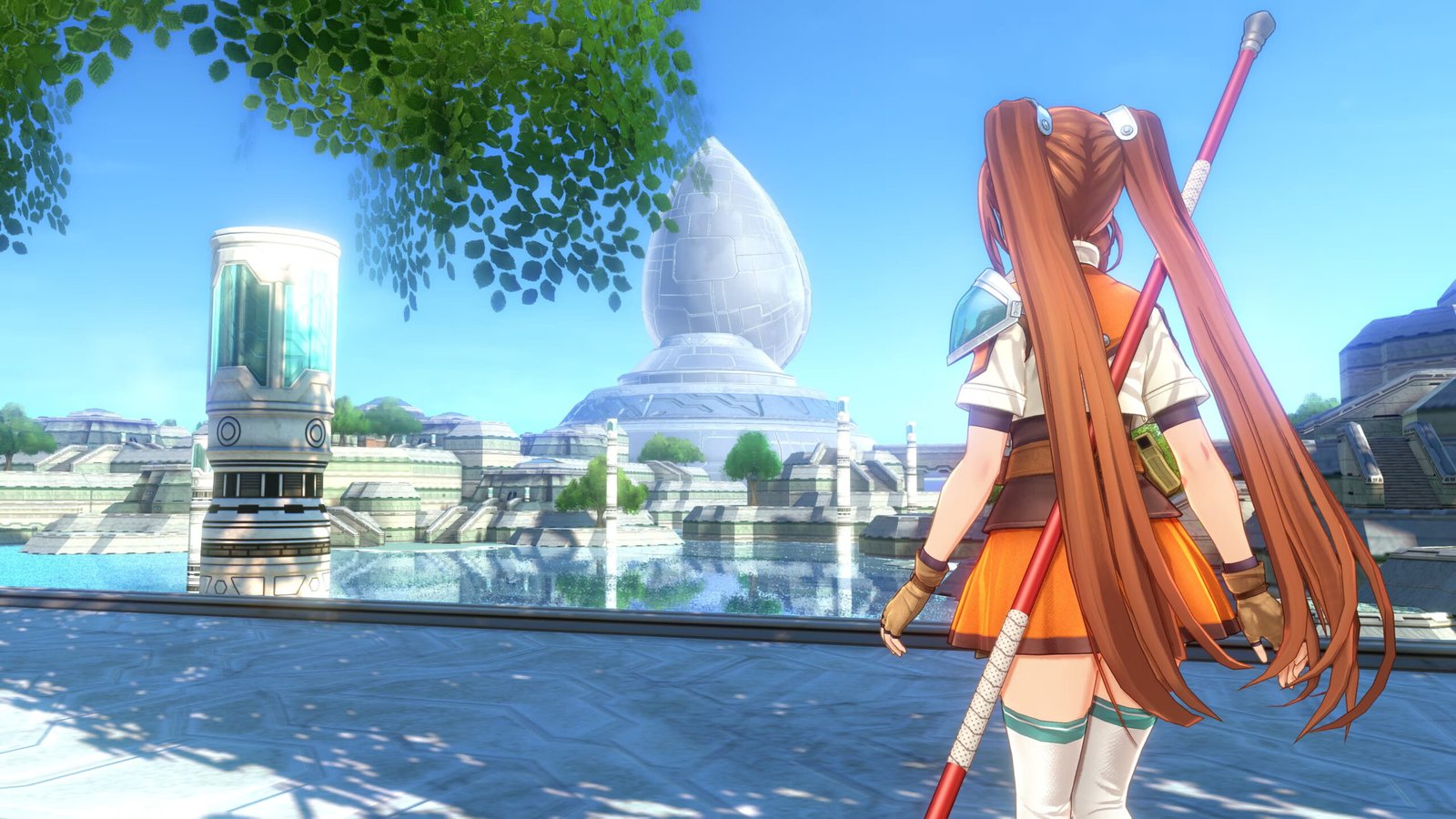
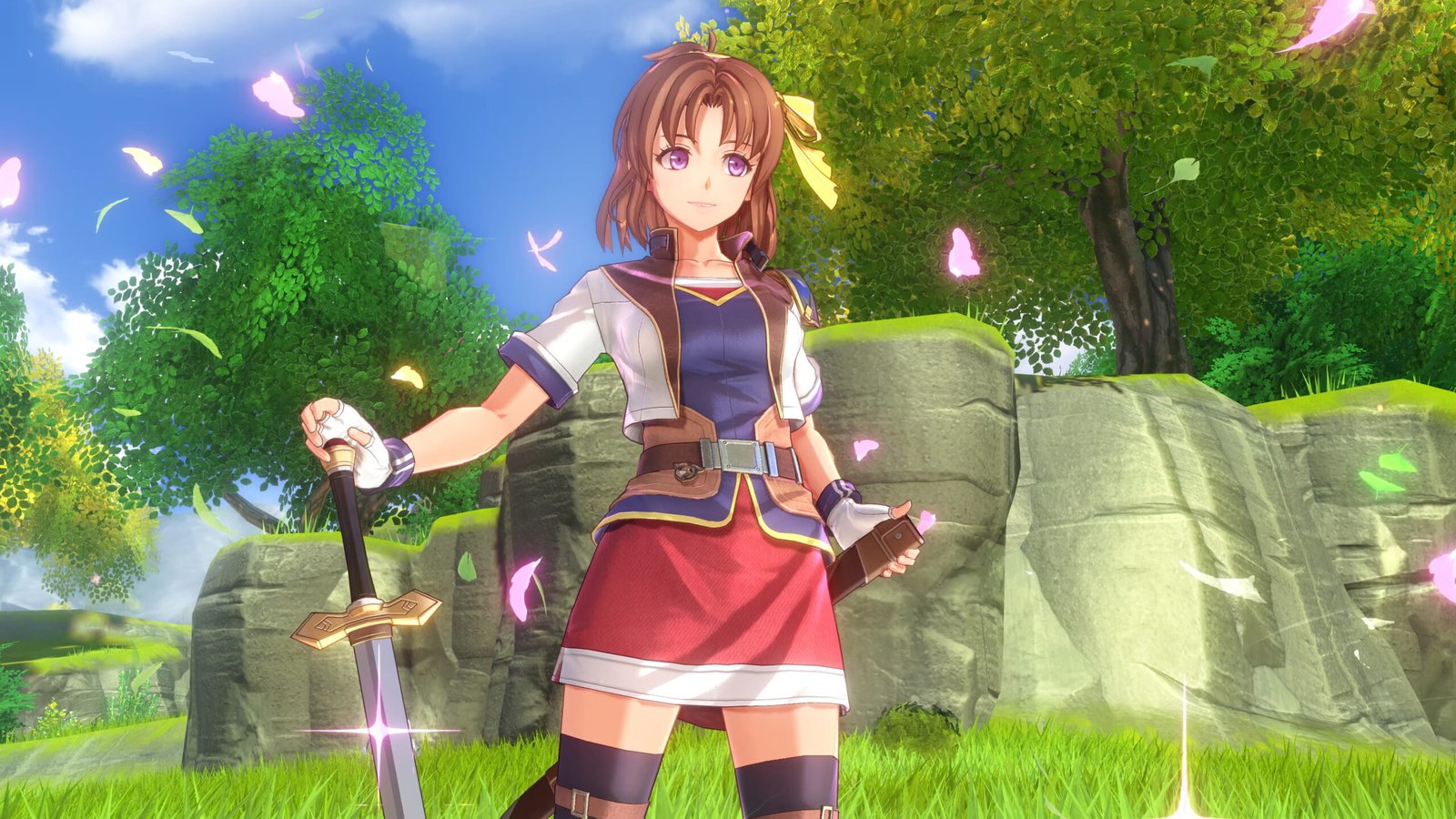
When Final Fantasy VII: Remake came out, one thing that concerned this longtime fan was the combat system. Square Enix said players could choose between classic, quasi-turn-based command action and direct, real-time action fights. To their credit, they’ve done an amazing job.
Except Nihon does it better here: in Trails of the Sky SC, much like its previous title (also remade last year), you don’t get to choose one or the other. Both styles are integrated into one very straightforward system that sees you finding enemies in the open field, engaging them in real-time battle, wearing them down somewhat, and, at the click of a button, switching to a classic turn-based scenario, reaping benefits like preemptive striking or a damage multiplier, depending on your actions in the previous phase.
The transition is seamless, without any rough cuts to speak of, and visually impressive. Granted, there is a caveat: real-time action does not allow for the most flashy moves, and it would be nice to just off an enemy with an overkill power move (skills in this game are referred to as “Arts”) that makes the screen go bright in big, hot colors. However, for what it’s worth, Nihon did counter that with a background math system that lets you one-shot weaker enemies in the field if you have more than double their power level—something you can recognize from the Metaphor: ReFantazio playbook, if you’re looking for a comparison.
Navigation is another thing that may be a bit confusing if you’re not paying attention: at first glance, Trails in the Sky Second Chapter may seem linear and easy to get around, but it quickly makes you lose your way in exploration, as most icons in the minimap are just generally pointed out, not outright shown in which place they are. This can be offset by the fast travel system, but that only kicks in for previously visited places, and more often than not, you’ll be going to new locations.
All in all, this is not bad (the locations and environments are visually impressive, beautifully crafted), but it could be somewhat improved by properly situating the player and their surroundings.
Original sounds, but better
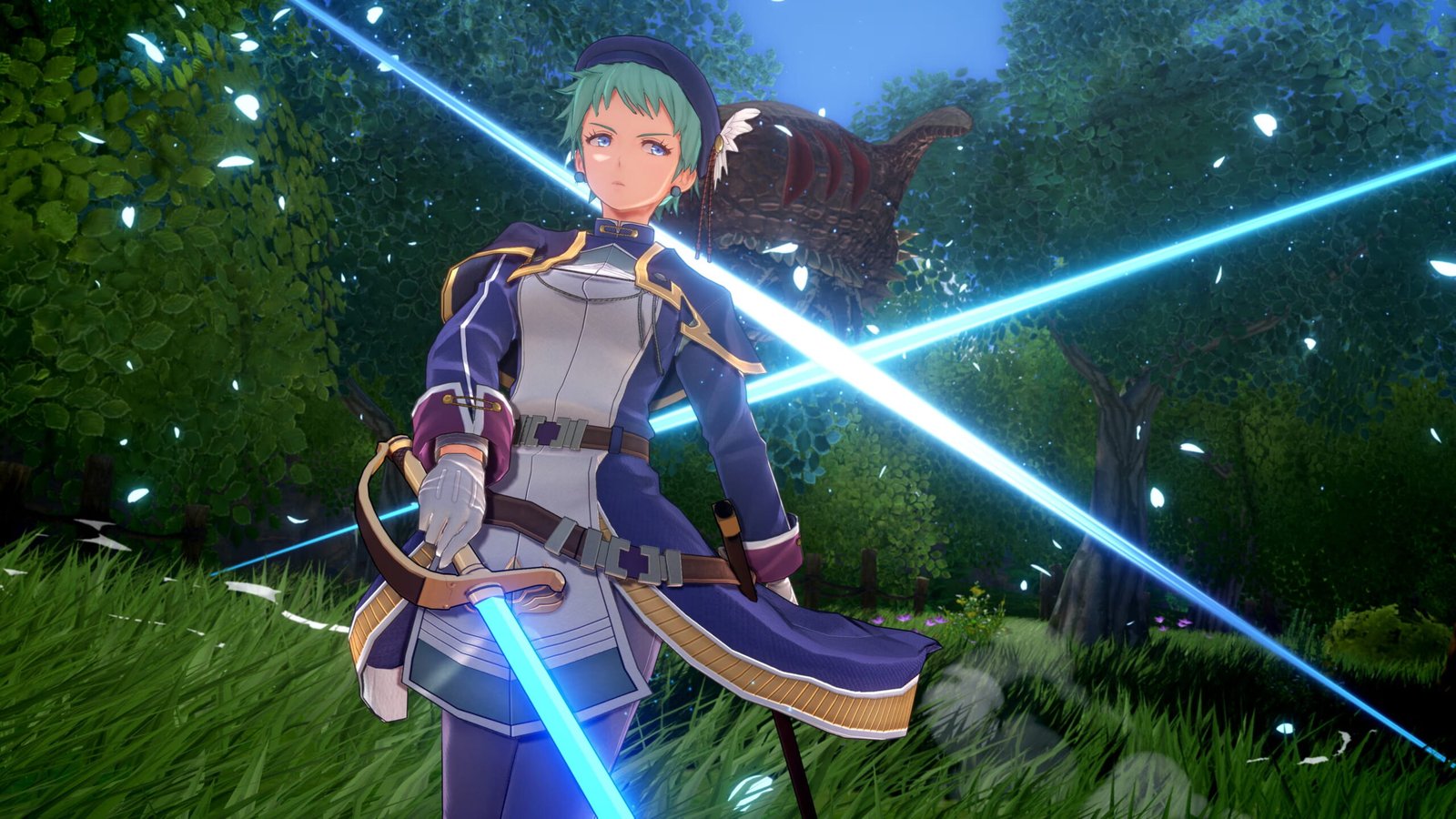
The original 2006 game was highly praised at the time for its soundtrack, which featured guitars and violins in a more upbeat composition. Game music fans will be happy to know that not only are all those elements preserved, but upgraded with modernized sampling and a live-recording mix, adding clarity and finesse to already impressive tracks.
The background music is not over the top to the point of taking over the rest of the action, but it’s also not too dim and quiet as to be completely ignored. Few people acknowledge this, but this fine-tuned balance is paramount for immersion—this especially comes into play inside certain dungeons, or when certain moments of the main story take a deep, heavy, or unexpected turn.
Meanwhile, environmental sound cues are improved, and it is now possible to identify types of enemies without necessarily seeing them in the field. And combat sounds—swords hitting, fiery explosions and whatnot—are all more realistic, especially when Agate joins your party: his comically large, heavy sword actually gives the perception of weight when turning enemies into floor smearing.
While this all may sound like a mandatory feature in modern-day RPGs, we need to remember that this is a remake that aims to maintain the original’s vibe, so I’ll call this a nice upgrade in my book.
Final Thoughts
Trails in the Sky Second Chapter is definitely not for everyone: as RPG games go, this one takes a more old-school, traditional take, betting on letting the story simmer through long cutscenes and counting on the player’s patience.
However, it does put a lot of effort to cater to newer audiences by implementing modern-day features like a faster-paced combat system and upgraded audiovisual shenanigans, in order to make an older game feel new again.
At the end of the day (and despite some swing-and-a-miss moments here and there), Nihon Falcon manages to do just that, and as remakes go, this one has everything to be very successful.
Trails in the Sky 2nd Chapter Review - Final Summary
Nihon’s faithful remake captures the essence of what made the original title a classic, while embracing modern gameplay elements that—we hope—will cater to new audiences
The Good
- Seamless, Innovative Combat System
- Upgraded Audio and Immersive Music
- Deep, Interconnected Storytelling and Worldbuilding
The Bad
- Extremely Slow Pacing at the Start
- Potentially Confusing Map Navigation
- Visual Limitations in Real-Time Combat
-
Great
