


After you’ve played games for a while, you’ll start to notice there are gameplay elements that pop up just about everywhere. There are games with tons of crafting, games with tons of exploration, and games that are just an endless number of quick-time events.
Don’t be fooled, QTEs aren’t some aged-out feature that no one is using in game development anymore. Tons of games still use the mechanic, and for some, that mechanic might as well be the whole experience.
This list contains six games that are basically just endless QTEs. I ordered them according to which ones use the mechanic the most, with the game in the number one spot, not really having any other kind of gameplay.
6
Telltale Games Games
Telltale Games | Some People’s Intro to QTE
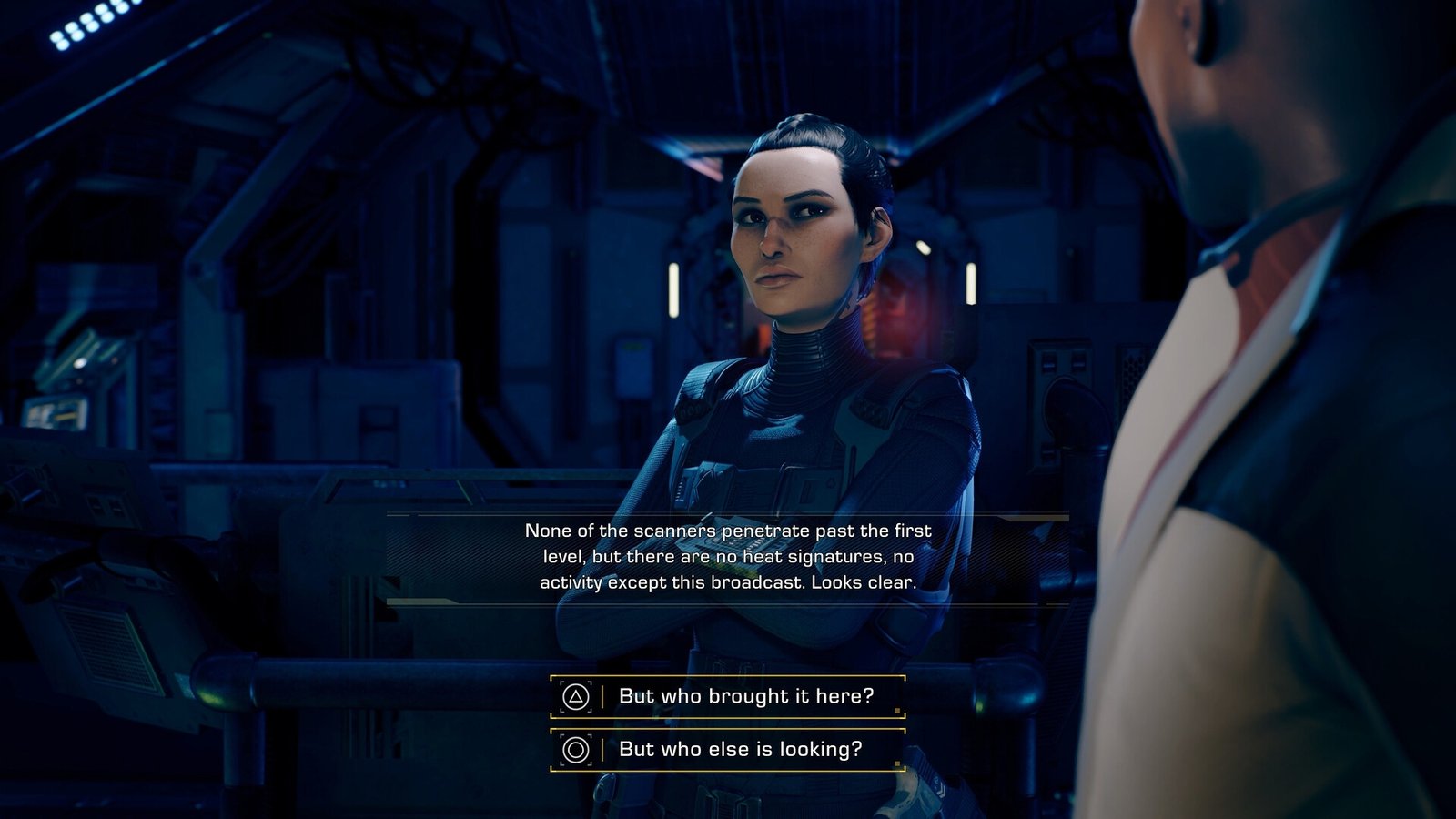
For a lot of people, titles by Telltale Games like The Wolf Among Us and The Walking Dead were their introduction to the mechanic. The games all follow a pretty similar style, with more cutscenes and dialogue than actual gameplay.
The games are typically told through episodes that rely on your actions and decisions to propel the story forward. If you’re too slow to the punch, then chances are a life-altering event will begin to take shape.
Despite shutting its doors in 2018, Telltale has reemerged from the ashes and is creating titles like The Expanse: A Telltale Series that also heavily relies on quick-time events.

5
God of War 1, 2, and 3
Santa Monica Studios | Even Gods Need to Spam
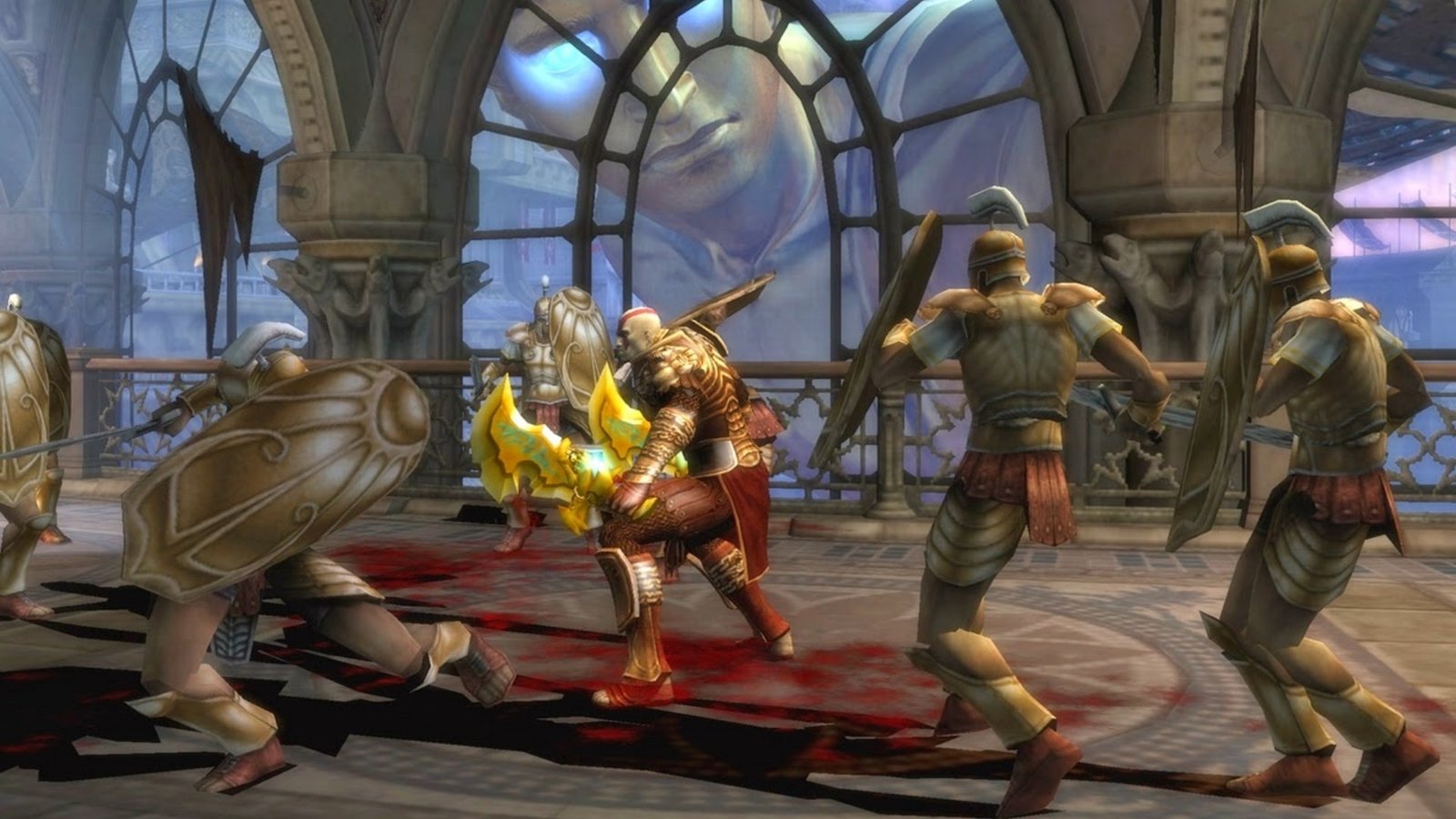
I don’t necessarily think of quick-time events when I think about the Ghost of Sparta, but it’s hard to ignore how integral they are to God of War. The feature only makes itself known after an enemy or boss is sufficiently weakened. Then, Kratos will either absolutely demolish or further weaken it after a QTE.
The feature had other uses, like being important in some of the minigames throughout the franchise, as well as being used to facilitate famously naughty scenes with Aphrodite. But we don’t have to get into that right now.
The latest installments in the franchise, God of War and God of War Ragnarok, don’t use quick-time events, putting it to bed altogether. I have to admit, I miss them.
4
Quantic Dream Games
Quantic Dream | Just About All the Gameplay
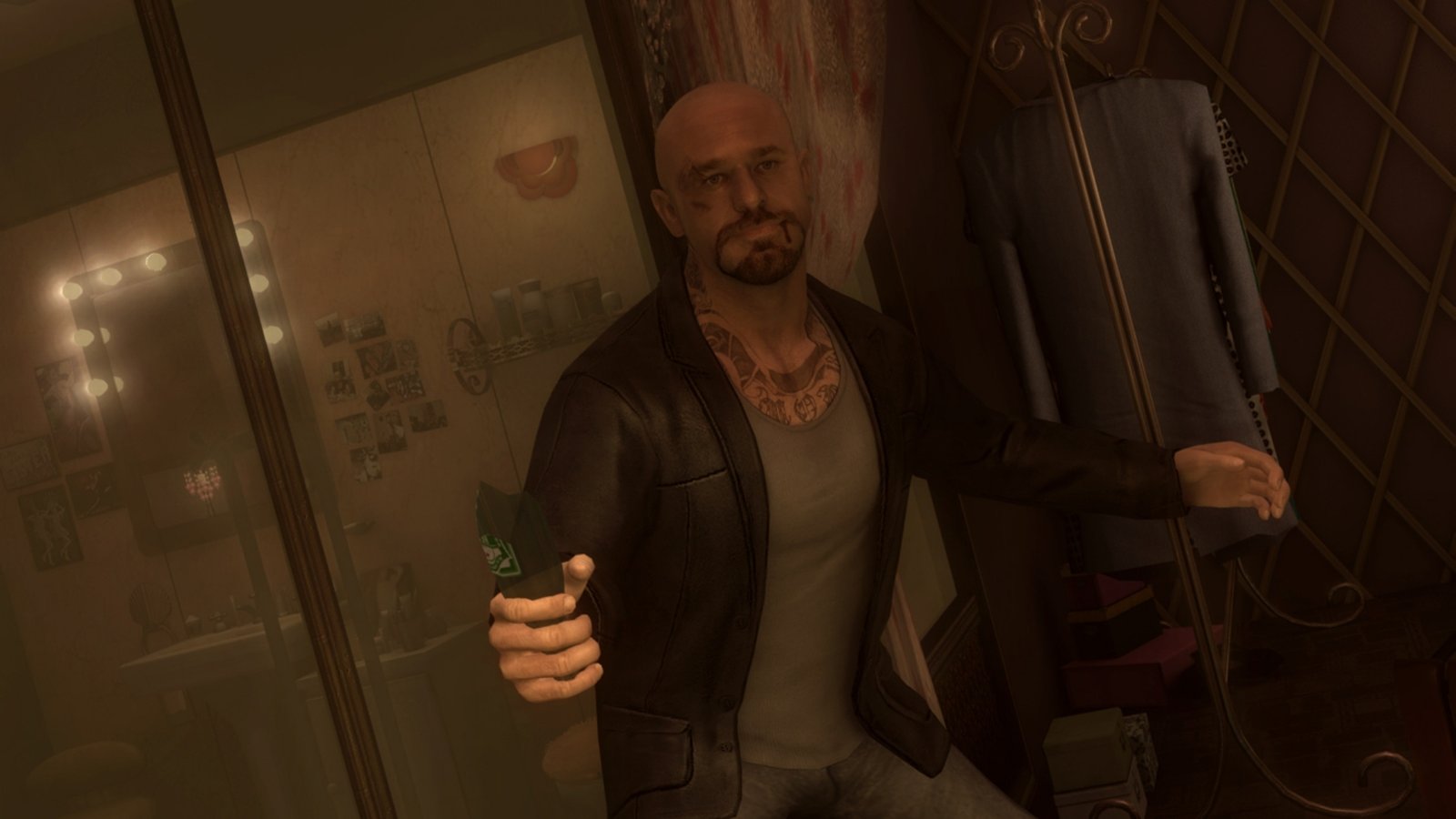
Just about every major title that Quantic Dream has been a part of uses quick-time events as a core gameplay element. Fahrenheit (Indigo Prophecy), Detroit: Become Human, Heavy Rain, Beyond: Two Souls, and even the much older Omikron: The Nomad Soul used QTEs.
Like Telltale Games, these events and how you go about performing them can ultimately change what your experience is. The games also have a cinematic quality to them that feels more like an interactive film than anything, with many of them involving famous actors, like Willem Dafoe and Jesse Williams.
These games have a much more serious quality to them and use QTEs as a tool to tell the stories rather than as a simple gameplay feature.
3
Until Dawn
Supermassive Games | Jump Scares
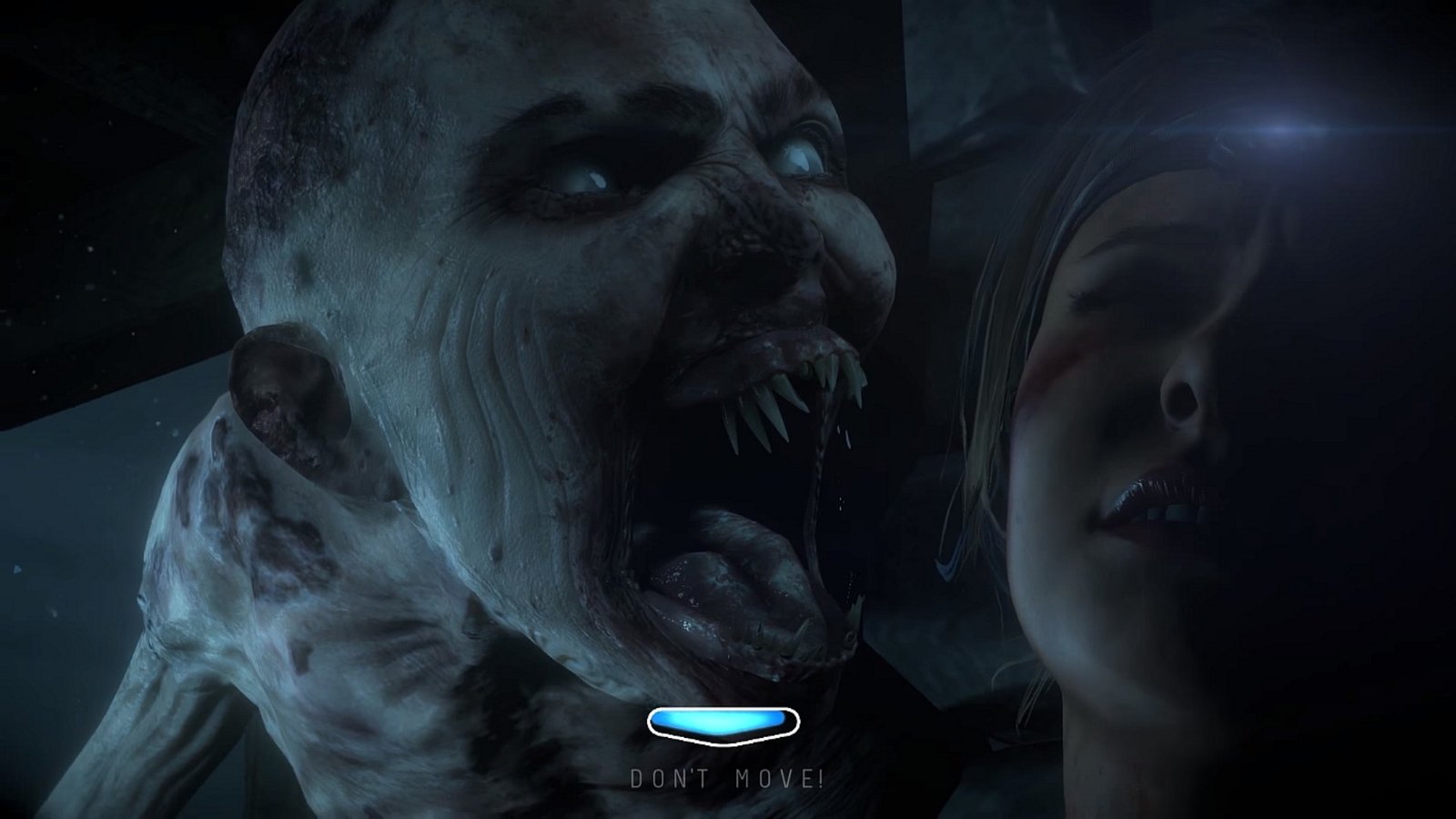
I would have put everything Supermassive Games has ever developed on here, but the game that really started the trend for them was Until Dawn. It’s a little similar to Quantic Dream games in that the stories are more interactive films than anything, with a majority of gameplay falling between being a walking simulator and being quick.
The game follows a few young adults who return to a cabin in the woods after a friend of theirs went missing there a year prior. You’ll be able to take control of each of the different characters and essentially carve out their paths through quick thinking and momentous decisions.

However, when you really break it all down, its gameplay is pretty much a series of different QTEs. That isn’t a bad thing, especially since it changes things up by also including a sequence that forces you to hold the controller as still as possible, rather than trying to press buttons quickly.
2
Shenmue Franchise
SEGA | Pioneered the Feature
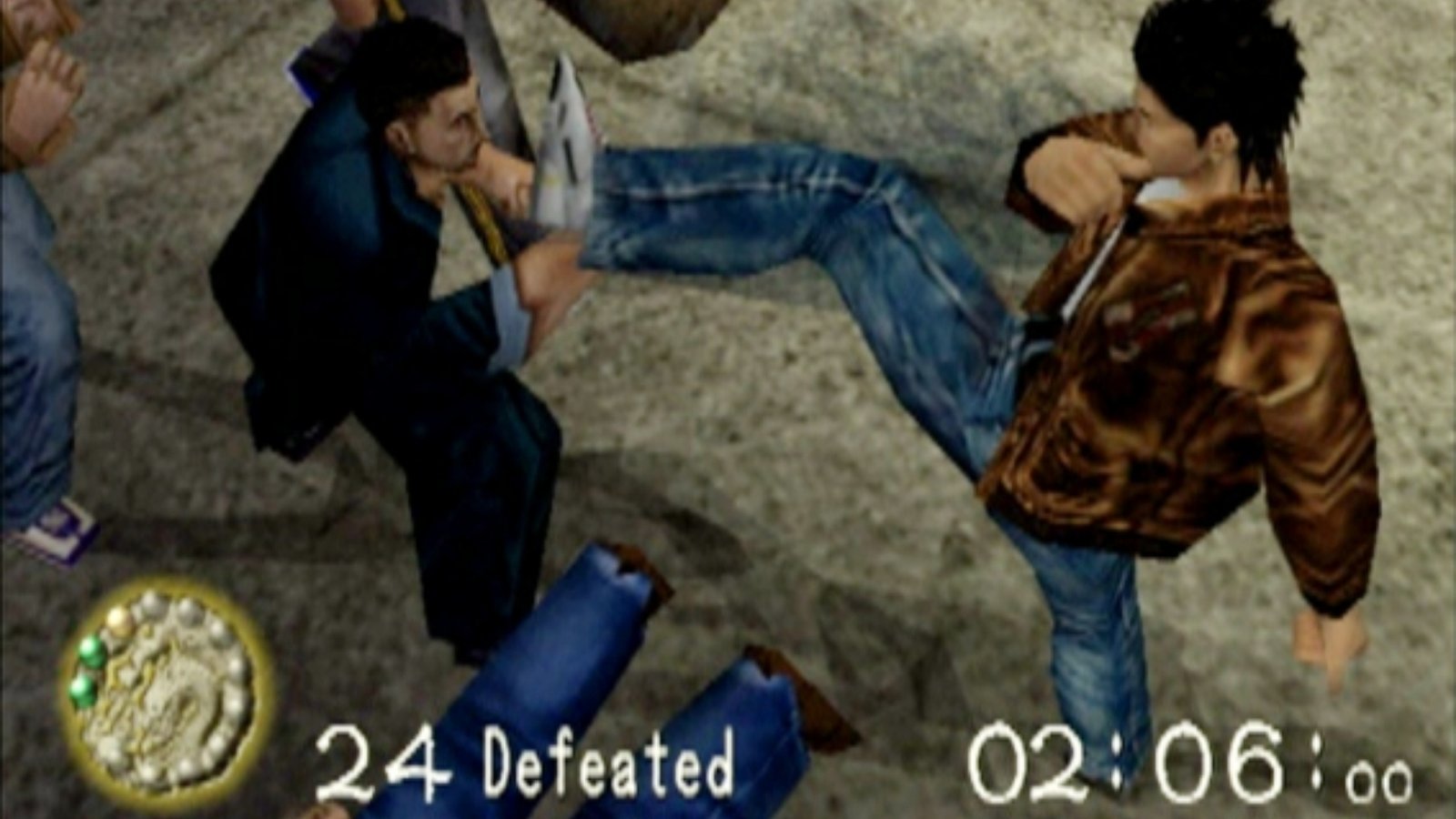
No, Shenmue didn’t invent the feature, but its usage definitely made it more widespread in games that came afterwards. Each game puts you in the shoes of Ryo Hazuki as he searches for his father’s killer.
The game primarily plays out as an open-area RPG with fighting game mechanics, though a good majority of gameplay also derives from quick-time events. Lots of mini-games and some story beats make it integral to moving forward with the story. I think it’s a pretty good way for the developers to force you to always be on your toes. Well, it worked.
The feature was so popular through the first two titles that when Yu Suzuki announced at the E3 2015, it was guaranteed to still have it included.
1
Asura’s Wrath
CyberConnect2 | No Other Gameplay Mechanics
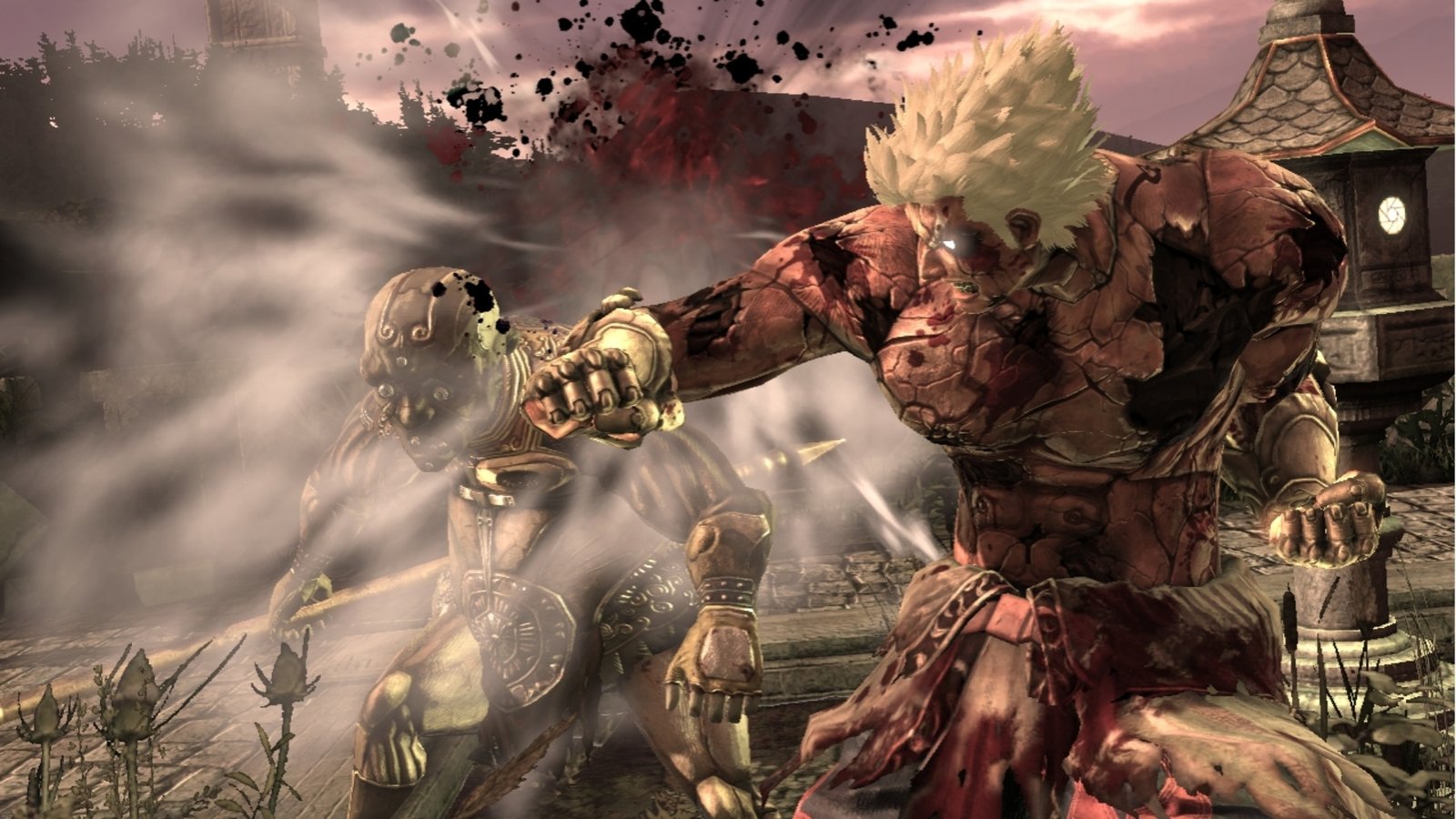
You can’t convince me that there is another game out there with as many quick-time events as Asura’s Wrath. It’s an overall interesting game, being a rail shooter, third-person fighter, and QTE machine.
However, since it’s a rail shooter, that means that it pretty much does all the movement and direction for you, making you focus more on the story and gameplay. Well, all that gameplay boiled down to following button prompts and watching insane cutscenes.
This was completely intentional so that each chapter would play out more like an interactive anime episode. Considering the popularity of Until Dawn and Heavy Rain, I think it definitely hit pretty close to that mark.
