


When the big guys can’t do the job, you call an indie studio. Nowhere is this dynamic more apparent than in the realm of tactical shooters, a genre long abandoned by major publishers and developers in the pursuit of soulless monetization.
As Ubisoft continues to neglect Ghost Recon and wipe the soul of Rainbow Six, a French independent developer by the name of Victor Ragot is leading the charge to bring that original Ghost Recon feeling back to life in a modern package.
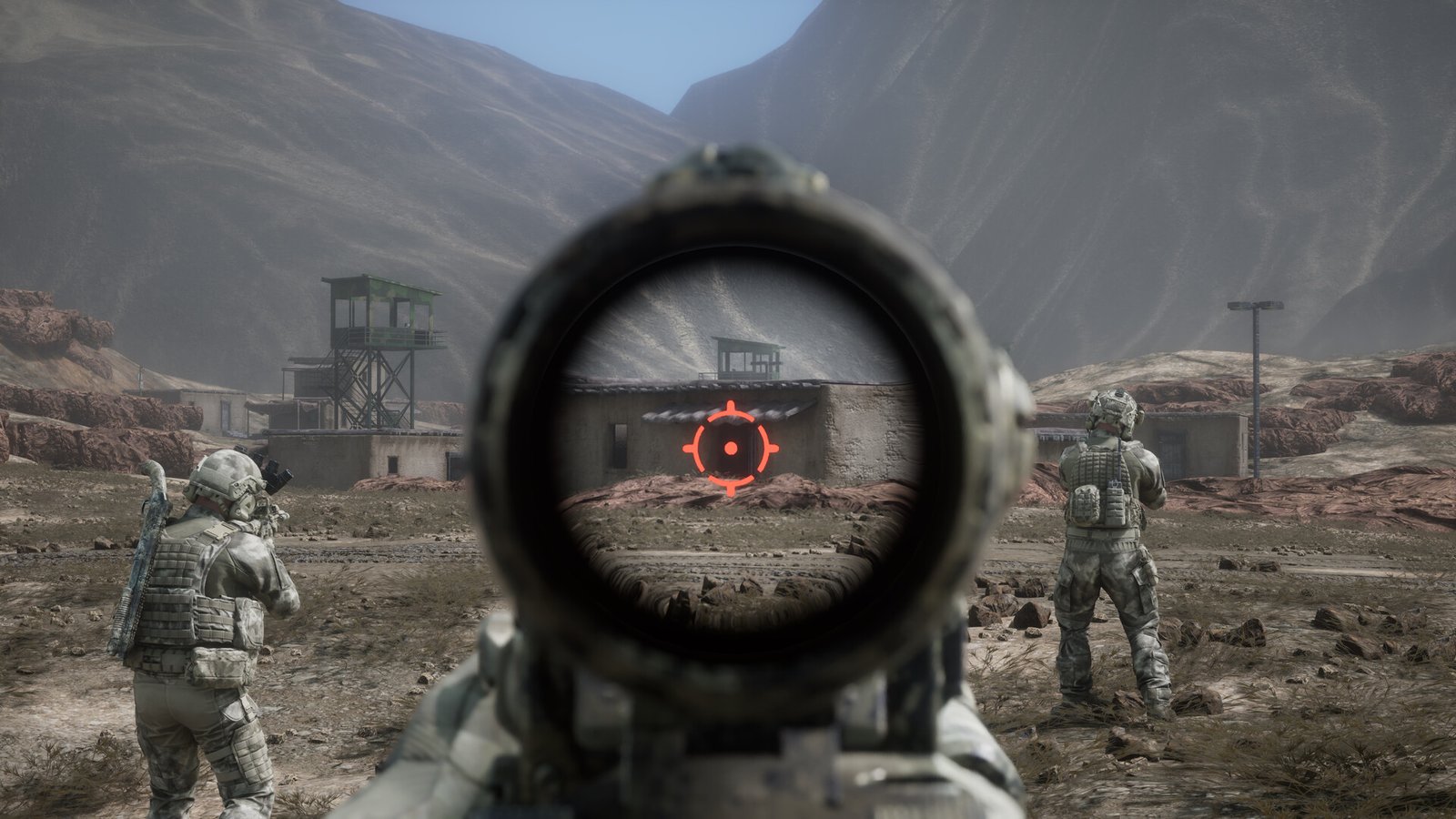
In the latest update to Black One: Blood Brothers, Helios Studio has ported the game to Unreal Engine 5.7, giving the game a significant visual upgrade on the road to the 1.0 release.
Helios 1 x 0 Ubisoft
The appeal of the special forces is nothing new. Classic films like The Guns of Navarone (1961) or Dirty Dozen (1967) helped popularize this, but no medium loves an operator more than videogames.
Legendary director Hideo Kojima revolutionized things way back in 1987 with the first Metal Gear game, but Red Storm Entertainment took things to the next level with Rainbow Six in 1996. You were in command of an elite team facing complex situations like bomb threats and kidnappings. It was a transformative experience in an era where most shooters were focused on ‘shoot, reload, repeat’ loops.
The same studio then scaled things up with Ghost Recon (2001), putting your team in the middle of a global crisis with far larger maps and higher stakes. Back then, you’d think these games would open doors for tons of other great shooters in the same format, but more cinematic experiences embodied by Call of Duty ended the prime time slot for realistic tactical shooters.
The genre has experienced a resurgence in recent years thanks primarily to indie developers, but it is Helios Studio’s Black One: Blood Brothers that stands out to me the most as the first true spiritual successor of the original Ghost Recon.
Positioned as a strictly single-player experience, it brings back everything that made Ghost Recon remarkable while removing that thick layer of jank that makes a contemporary replay hard to stomach for many people.
You lead an elite multinational team trying to combat an international terrorist conspiracy. The campaign takes you across the globe with ever-rising stakes, but what’s most impressive is the depth of each mission.
Rather than winging it, you actually get to use the planning table to orchestrate things, and the amount of useful commands available to you is micromanagement heaven. Black One: Blood Brothers is a throwback to a time when a secret mission meant taking it slow and working through each step carefully, instead of Captain Price’s unprofessional theatrics à la Modern Warfare.
Come In, Ghost Recon
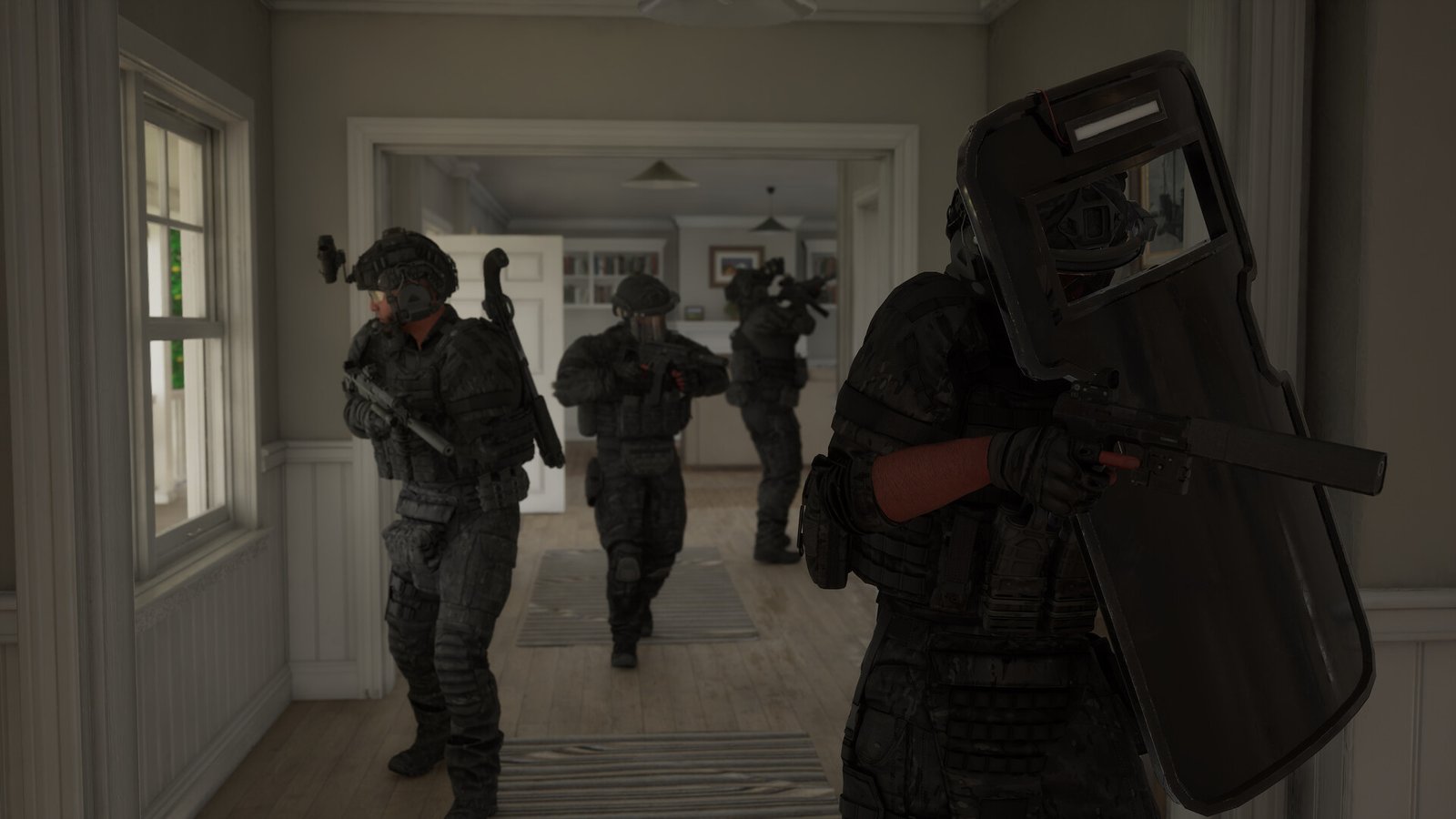
The Black One: Blood Brothers update to Unreal Engine 5.7 comes right on time, as confidence in Ubisoft eventually bringing Ghost Recon and Rainbow Six back from the brink continues to dwindle.
The French company has been quiet about the new Ghost Recon title, morbidly codenamed Project Over, but it’s hard to get excited about its prospects as a tactical shooter when Ubisoft says it is moving it under the ‘competitive shooter’ creative house.
Rainbow Six, meanwhile, has found new life as Ubisoft’s cash cow, but it is so far removed from the original tactical experience that it would have been better served under a new title. However, being a focal point of the Ubisoft-Tencent partnership has found ways to strain the franchise, with creative director Alex Karpazis announcing his resignation.
Per two union representatives, Ubisoft developers seem to hope that CEO Yves Guillemot follows Karpazis on the way out, with Marc Ruschlé saying the executive has ‘surrounded himself with “yes men”‘.
Even so, pending a disaster, it is expected that the new Ghost Recon game will be officially unveiled this year. With how prone Ubisoft has been to either finding trouble or creating it out of thin air, though, now is as good a time as any to skip the $70 half-baked open-world and pick up Black One: Blood Brothers for $15 instead. Who could have thought that games come out better when your development focus is the game itself and not increasing shareholder value?
